 0
0
 0
0
NEW DELHI — Torrent Pharmaceuticals announced a voluntary recall of select batches of its Semalix (semaglutide) disposable injection pens in India on July 9, 2026. The decision follows a product notification from Dr. Reddy’s Laboratories, the manufacturer of the active pharmaceutical ingredient (API), which identified an “out-of-specification” finding during routine quality testing.
Both pharmaceutical companies emphasized that the recall is strictly a precautionary measure. While investigations into the manufacturing deviation are underway, the companies reported there is no evidence of immediate patient harm or adverse events related to the recalled batches.
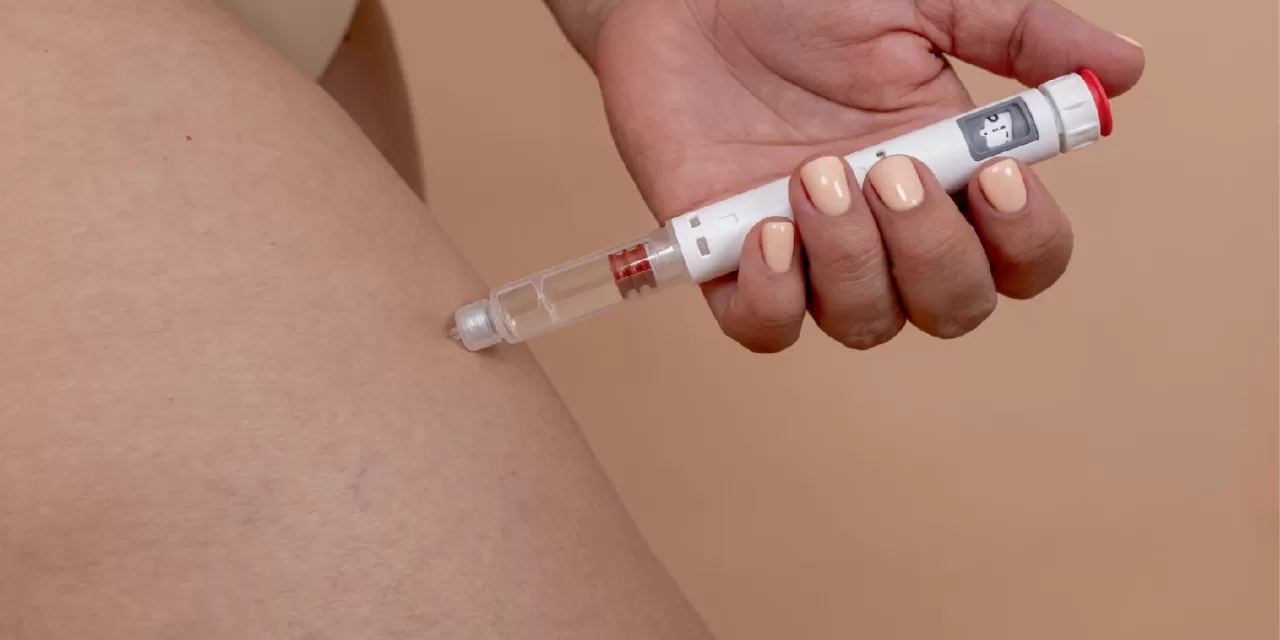
The recall involves specific lots of the 2 mg and 4 mg Semalix prefilled pens. Other product variations, including Torrent’s oral semaglutide formulations, are not affected and remain available on the market.
Understanding the “Out-of-Specification” Quality Flag
Semaglutide belongs to a class of medications known as GLP-1 (glucagon-like peptide-1) receptor agonists. By mimicking a natural metabolic hormone, it helps regulate blood sugar levels for individuals with type 2 diabetes and, in specific doses, is prescribed for chronic weight management. Because semaglutide is a complex peptide, its manufacturing requires highly precise chemical synthesis and strict environmental controls.
In pharmaceutical manufacturing, the term “out-of-specification” (OOS) means that a test result falls outside the rigid criteria established in regulatory filings or official pharmacopeias. This can refer to minor variances in:
-
Potency: The strength or concentration of the active ingredient.
-
Purity: The exact molecular structure required for the drug to work effectively.
-
Impurity Profiles: The presence of trace secondary chemical compounds generated during synthesis that exceed strict permissible limits.
“Recalls triggered by analytical or API specification deviations are a standard, built-in feature of robust pharmaceutical quality management systems,” explains Dr. S. K. Rao, an independent endocrinology pharmacovigilance consultant based in New Delhi. “When a manufacturer flags an internal variance, triggering a recall is the responsible step to preserve supply-chain integrity while a comprehensive root-cause analysis is conducted.”
Production Halts and Projected Supply Disruptions
The quality variance has wider operational consequences. Dr. Reddy’s Laboratories confirmed that the API issue has forced a temporary halt of new semaglutide production. This halt is expected to disrupt the commercial supply of its generic semaglutide within India and impact certain international export markets.
The company estimates that supply constraints could persist until at least late October 2026, depending on how quickly the manufacturing investigation and subsequent confirmatory testing are completed.
The announcement immediately influenced investor sentiment, triggering a sharp decline in market value for Dr. Reddy’s shares on national exchanges. This reaction highlights the high stakes associated with quality control in modern pharmaceutical supply chains, particularly for high-demand metabolic therapies.
Impact on Public Health and Treatment Continuity
The primary clinical concern surrounding the production halt is drug availability. Global demand for GLP-1 medications has surged over the past few years, placing unprecedented pressure on global supply chains. A supply constriction lasting several months could force patients to seek alternative generic brands or transition to more expensive innovator products.
Medical experts urge patients not to panic, but emphasize the importance of maintaining an uninterrupted treatment plan.
“When manufacturers state there is no immediate impact on patient safety, they are base-lining that statement on available stability data and current testing,” says Dr. Meera Kapoor, a clinical endocrinologist who is not involved with either company. “However, for individuals managing type 2 diabetes, sudden discontinuation of a GLP-1 receptor agonist can lead to glycemic destabilization, causing blood sugar spikes and disrupting metabolic control.”
Dr. Kapoor emphasizes that patients should proactively check their current medication supplies and coordinate with their healthcare team if their specific batch is affected.
Current Scope and System Limitations
Because the investigation is in its early stages, several details remain unconfirmed:
-
Root Cause Evaluation: Dr. Reddy’s has not yet disclosed the exact nature of the API deviation or the specific stage of synthesis where the variance occurred.
-
Regulatory Oversight: Detailed laboratory data and formal inspection reports from central regulatory authorities have not yet been made public.
-
Timeline for Resolution: A definitive date for the release of replacement batches remains tied to the successful resolution of the manufacturing issue.
Torrent Pharmaceuticals has confirmed that the recall is strictly limited to the injectable pens, meaning patients using their oral semaglutide tablets face no supply or quality interruptions from this event.
Guidance for Patients, Clinicians, and Pharmacists
For Patients
-
Do Not Abruptly Stop Medication: Discontinuing semaglutide without medical supervision can alter your blood sugar management.
-
Verify Your Batch Number: Check the packaging of your 2 mg or 4 mg Semalix pen. Contact your dispensing pharmacy or prescribing physician to see if your specific lot number is included in Torrent’s active recall list.
-
Seek Replacements Early: If your pen is part of the recalled lots, your pharmacist or doctor can assist you in securing an unaffected batch or transitioning to an appropriate therapeutic alternative.
For Clinicians and Pharmacists
-
Inventory Reconciliation: Review active pharmacy stock against official recall notices issued by Torrent Pharmaceuticals and national regulatory advisories.
-
Proactive Patient Communication: Identify patients currently prescribed Semalix pens and counsel them on maintaining treatment continuity.
-
Report Anomalies: Document and report any unusual product characteristics or adverse patient events through established local pharmacovigilance channels.
As production remains paused through the autumn months, health authorities advise close coordination between pharmacists, physicians, and patients to manage regional supply variations smoothly.
References
-
Reuters Health News: “India’s Torrent Pharma recalls select semaglutide pens after Dr. Reddy’s notice,” Published July 9, 2026.
Medical Disclaimer: This article is for informational purposes only and should not be considered medical advice. Always consult with qualified healthcare professionals before making any health-related decisions or changes to your treatment plan. The information presented here is based on current research and expert opinions, which may evolve as new evidence emerges.