 0
0
 0
0
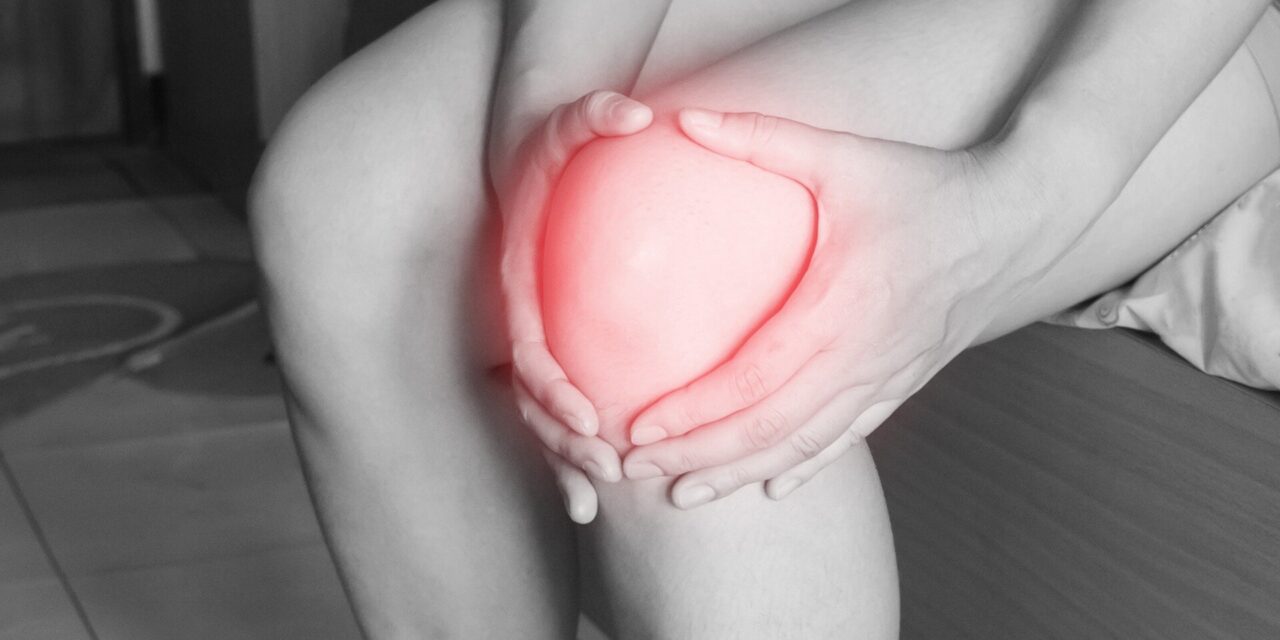
PERTH, AUSTRALIA — A common kitchen spice is showing promise in the clinical treatment of knee osteoarthritis (OA). A new randomized, double-blind, placebo-controlled trial conducted in Australia reveals that a topical gel containing curcumin—the active anti-inflammatory compound in turmeric—provides modest but significant relief for chronic knee pain.
While the study, conducted between February and June 2025, did not show improvements in physical mobility or function, researchers suggest the gel could serve as a valuable, low-risk alternative for the millions of aging adults seeking to manage joint discomfort without the side effects often associated with oral painkillers.
The Study: Small Application, Notable Results
The trial, led by researchers at Clinical Research Australia and Murdoch University, focused on 60 adults aged 45 to 75 who were living with diagnosed knee osteoarthritis. Participants were divided into two groups: one applying VAS-101 (a specialized curcumin gel) and the other a matching placebo.
The application method was unique: participants rubbed 0.1 mL of the gel around the kneecap using a toothbrush for one minute, every other day for four weeks.
Key Findings at 28 Days:
-
Pain Reduction: The curcumin group reported a mean increase of 9.09 points on the Knee Injury and Osteoarthritis Outcome Score (KOOS) pain subscale, compared to just 3.97 points in the placebo group. In this scoring system, higher numbers indicate less pain.
-
Daily Walking Comfort: Participants using the curcumin gel reported lower daily pain levels while walking, a trend that improved steadily over the month-long trial.
-
Patient Satisfaction: Nearly 40% of the curcumin group felt “much” or “very much improved,” more than triple the success rate reported by the placebo group (13.3%).
Why Curcumin? Bypassing the “Bioavailability” Barrier
Knee osteoarthritis affects approximately 300 million people globally, characterized by the breakdown of cartilage and chronic inflammation of the joint lining. For years, medical professionals have looked toward curcumin for its ability to inhibit inflammatory pathways like NF-κB and COX-2—the same targets hit by over-the-counter NSAIDs like ibuprofen.
However, oral curcumin has a notorious “bioavailability” problem: the body struggles to absorb it through the digestive tract, meaning users often have to take large doses to see results.
“Topical delivery aims to bypass this,” explains Dr. Benny Antony, a study co-author from the Menzies Institute for Medical Research. By applying the gel directly to the site of inflammation, researchers hope to achieve local relief without the gastrointestinal or cardiovascular risks that can accompany long-term use of oral medications.
Expert Perspectives: A Complementary Tool, Not a Cure
While the results are encouraging, experts urge a balanced interpretation. The study found no significant difference between the curcumin and placebo groups regarding physical function—meaning the gel helped with the sensation of pain but didn’t necessarily make it easier for participants to climb stairs or stand from a chair.
Dr. Adrian L. Lopresti, lead author and Managing Director at Clinical Research Australia, noted that the lack of functional gains might be due to the short 28-day timeframe. “Given VAS-101’s pain-relieving effects, its use for other acute or chronic pain conditions, such as back pain or acute injuries, may be useful,” Lopresti suggested.
Outside experts remain cautiously optimistic. Rheumatologists not involved in the study pointed out that while the effect size was moderate ($Cohen’s d=0.62$), the study size of 60 people is relatively small.
“While promising as a natural alternative, the small sample and short duration mean larger trials are needed before routine recommendation,” noted one independent rheumatologist.
Safety and Practical Considerations
One of the most significant hurdles for topical turmeric products is the aesthetic one: curcumin is a bright yellow pigment. While the trial participants reported yellow skin staining, the researchers noted that this resolved within two to three days after stopping treatment. Importantly, no serious adverse events were reported, and the gel was well-tolerated by all participants.
For the “health-conscious consumer,” the gel offers a “low-risk adjunct.” It may allow some patients to reduce their reliance on rescue medications. In this trial, the curcumin group used an average of 11.9 rescue pain pills over the month, compared to 21.4 in the placebo group—though this difference was not yet statistically significant due to the small sample size.
Limitations and the Road Ahead
Despite the statistical success, the study had clear boundaries:
-
Subjectivity: The results relied on self-reported pain levels rather than objective biological markers like synovial fluid analysis.
-
Duration: Four weeks is not long enough to determine if the benefits last for months or years.
-
Clinical Significance: Only 32% of the curcumin group reached what is considered a “minimal clinically important difference” (an improvement of more than 15.4 points). While better than the placebo group, it shows that the gel may not work for everyone.
Future research is expected to focus on larger populations and perhaps combine the gel with other standard treatments, such as physical therapy or weight management programs, to see if a multi-pronged approach can improve both pain and physical function.
Summary for Patients
If you are managing mild-to-moderate knee osteoarthritis and are looking for a natural addition to your routine, a topical curcumin gel may offer a safe, modest boost in comfort. However, it should be viewed as a complementary therapy rather than a replacement for existing medical advice or physical activity.
Medical Disclaimer
This article is for informational purposes only and should not be considered medical advice. Always consult with qualified healthcare professionals before making any health-related decisions or changes to your treatment plan. The information presented here is based on current research and expert opinions, which may evolve as new evidence emerges.
References
-
Medscape. Topical Curcumin Gel Gives Modest Pain Relief in Knee OA. Published April 10, 2026.