 0
0
 0
0
April 22, 2026
CAMBRIDGE, Mass. — In a significant leap for global pandemic preparedness, Moderna announced on April 21, 2026, the initiation of a pivotal Phase 3 clinical trial for its experimental mRNA-based bird flu vaccine, mRNA-1018. This marks the first time an mRNA vaccine targeting avian influenza has reached late-stage human testing. Conducted across the United States and United Kingdom, the trial aims to provide a rapid-response shield against the H5N1 virus, which has increasingly jumped from birds to mammals, sparking concerns among global health authorities about its potential to eventually spread between humans.
A New Frontier in Pandemic Preparedness
The Phase 3 trial is set to enroll approximately 4,000 healthy adults aged 18 and older. The primary goal is to evaluate the safety and “immunogenicity”—the vaccine’s ability to provoke an immune response—against H5 avian influenza. Because human cases of bird flu are currently rare, researchers cannot easily measure how many people the vaccine prevents from getting sick in the “real world.” Instead, they measure the levels of antibodies in the blood, a standard proxy for efficacy that regulators like the FDA and MHRA accept for flu vaccines.
This milestone follows successful Phase 1 and 2 data, which demonstrated that mRNA-1018 was generally well-tolerated and triggered a robust immune response. “The immune response was seen as early as seven days after the first injection and persisted over time,” noted Dr. Hiwot Hiruy, Moderna’s senior director of clinical development.
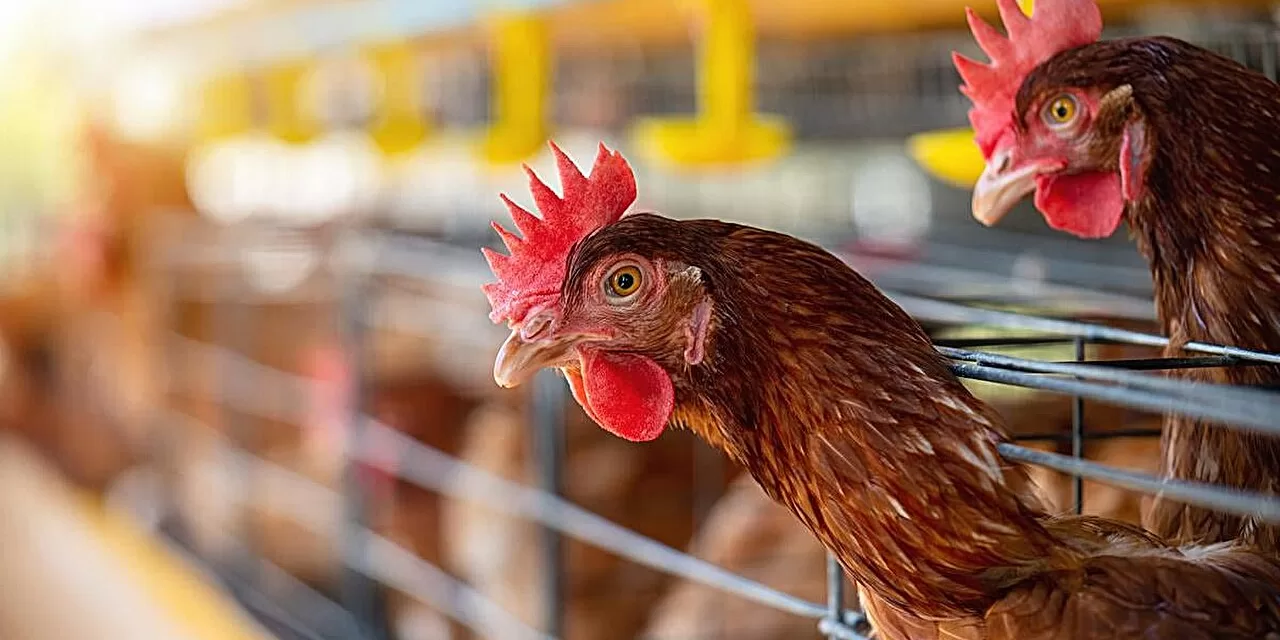
The advancement is particularly timely. The H5N1 strain, specifically clade 2.3.4.4b, has caused over 1,479 outbreaks in 42 countries between October 2025 and February 2026. While primarily an animal health crisis affecting poultry and wild birds, the virus has recently been detected in U.S. dairy cattle and several dairy workers, signaling that the virus is adapting to survive in mammals.
The Speed of mRNA vs. Traditional Methods
The shift toward mRNA technology represents a fundamental change in how the world prepares for flu pandemics. For decades, flu vaccines have been produced using chicken eggs—a process that is slow, cumbersome, and vulnerable if a bird flu outbreak decimates the very poultry needed for production.
Scott Hensley, PhD, a professor of microbiology at the University of Pennsylvania, explains the advantage: “The mRNA technology allows us to be much more agile. We can start creating an mRNA vaccine within hours of sequencing a new viral strain.” This agility contrasts sharply with the 2009 H1N1 “swine flu” pandemic, where egg-based vaccine production lagged months behind the peak of the virus.
Funding Shifts and Global Equity
The road to this trial has seen significant political and financial shifts. In May 2025, U.S. Health Secretary Robert F. Kennedy Jr. canceled more than $700 million in federal funding for various vaccine initiatives. Filling this vacuum, the Coalition for Epidemic Preparedness Innovations (CEPI) stepped in with a $54.3 million investment in December 2025 to ensure the Phase 3 trial could proceed.
This partnership comes with a “Global Access” caveat. In exchange for the funding, Moderna has committed to reserving 20% of its manufacturing capacity for low- and middle-income countries at affordable prices during a declared pandemic. This agreement aligns with CEPI’s “100 Days Mission,” an ambitious global goal to develop and authorize vaccines within 100 days of a new pathogen being identified.
“Bird flu remains a pandemic threat, and this study marks an important step in efforts to improve preparedness for future outbreaks,” said Moderna CEO Stéphane Bancel.
Expert Perspectives: Proactive vs. Reactive
Medical professionals not involved in the study emphasize that while the current risk to the general public remains low, the “wait and see” approach of the past is no longer viable.
Dr. Rebecca Clark, the trial’s national coordinating investigator, stressed the urgency of the research. “The A(H5N1) strain is evolving and spreading across animal species. We have to treat human-to-human transmission as a real possibility. This trial is our proactive attempt to shield against that possibility.”
However, some experts urge cautious optimism. While mRNA vaccines are excellent at generating systemic immunity (antibodies in the blood), they may induce weaker mucosal immunity—the defense in the nose and throat that helps block a virus from spreading from person to person. Furthermore, the rarity of human H5N1 cases means we won’t truly know how effective the vaccine is until it is deployed during an actual outbreak.
What This Means for You
For the average consumer, this trial does not mean a bird flu shot will be added to the annual pharmacy run next month. Instead, it creates a “warm” manufacturing base. If the CDC or WHO determines the virus has gained the ability to spread easily among humans, the data from this trial would allow for the immediate mass-production of a matched vaccine.
Public Health Guidance for Today:
-
High-Risk Groups: Farm workers, veterinarians, and poultry handlers may be the first candidates for vaccination if the virus continues to circulate in livestock.
-
Food Safety: Health authorities continue to emphasize that properly cooked poultry and pasteurized dairy remain safe.
-
Wildlife Interaction: The public is advised to avoid contact with sick or dead birds and to report such sightings to local wildlife authorities.
Looking Ahead
The CDC currently rates the H5N1 pandemic potential as “moderate.” The virus currently lacks the genetic “keys” required to bind easily to human respiratory cells. However, with cases rising in mammals—including a cluster of 18 human cases in Cambodia in 2025—the evolutionary clock is ticking.
As Moderna integrates findings from its seasonal flu trials (mRNA-1010) into this pandemic candidate, the medical community is watching closely. Success in this Phase 3 trial could provide the world with something it didn’t have in 2020: a pre-vetted, high-speed solution to a known threat before the crisis begins.
Medical Disclaimer: This article is for informational purposes only and should not be considered medical advice. Always consult with qualified healthcare professionals before making any health-related decisions or changes to your treatment plan. The information presented here is based on current research and expert opinions, which may evolve as new evidence emerges.
References
Study and Institutional Sources:
-
Reuters. (2026, April 21). Moderna starts late-stage trial of bird flu vaccine in US, UK. reuters.com