 0
0
 0
0
April 22, 2026
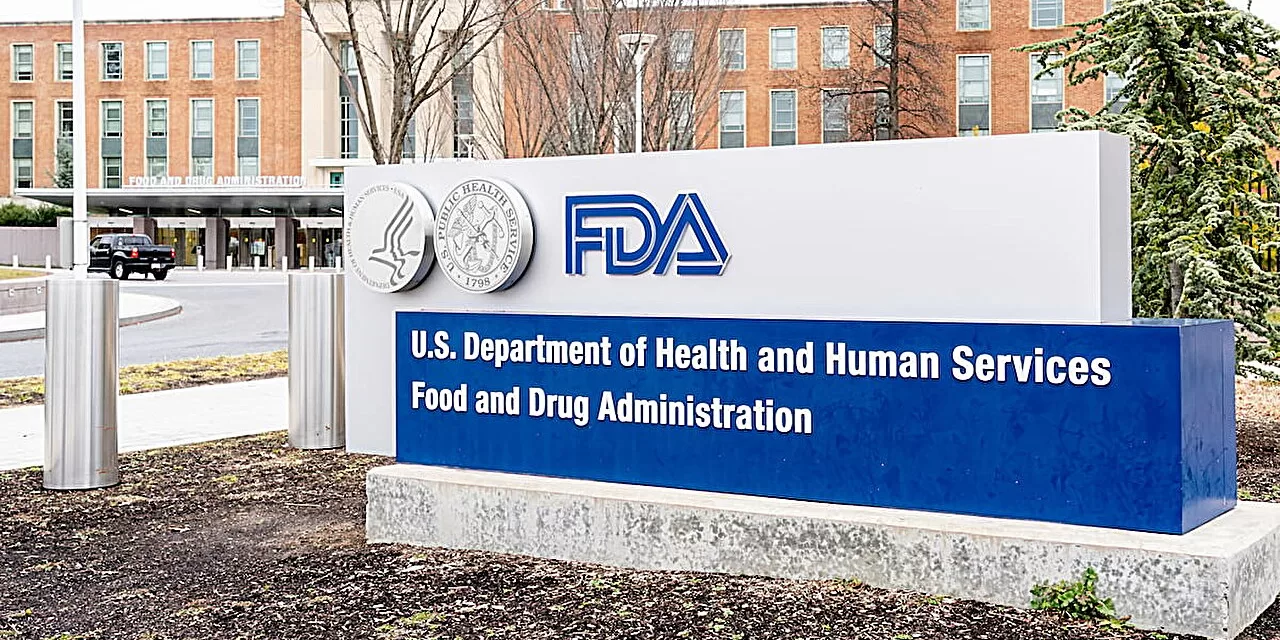
SILVER SPRING, MD — In a milestone for the long-term management of HIV, the U.S. Food and Drug Administration (FDA) approved Merck’s IDVYNSO (doravirine 100 mg/islatravir 0.25 mg) on April 21, 2026. The once-daily oral tablet represents the first two-drug, single-tablet regimen that is both free of integrase inhibitors and tenofovir, offering a critical new alternative for hundreds of thousands of adults living with virologically suppressed HIV-1.
The approval specifically targets adults who are currently stable on their existing antiretroviral therapy (ART) with viral loads below 50 copies/mL. To qualify for the switch, patients must have no history of virologic failure and no known resistance to the drug’s components. By reducing the number of active pharmaceutical ingredients without sacrificing efficacy, IDVYNSO aims to minimize long-term drug exposure and potential side effects associated with traditional three-drug “cocktails.”
A Shift in the Treatment Paradigm
Since the mid-1990s, the standard of care for HIV has been a three-drug regimen. While highly effective, the cumulative biological “toll” of multiple drugs over decades of treatment has become a growing concern for an aging HIV population.
IDVYNSO combines doravirine, a non-nucleoside reverse transcriptase inhibitor (NNRTI), with islatravir, a first-in-class nucleoside reverse transcriptase translocation inhibitor (NRTTI). While doravirine works by blocking the reverse transcriptase enzyme, islatravir uses multiple mechanisms to stop viral replication even at very low doses.
The clinical significance lies in what the pill excludes. Unlike many leading treatments, such as Biktarvy, IDVYNSO does not contain an integrase strand transfer inhibitor (INSTI) or tenofovir. This is particularly relevant for patients concerned about weight gain, bone density loss, or renal (kidney) toxicity, which have been linked to those specific drug classes in some clinical observations.
Clinical Evidence: The Phase 3 Trials
The FDA’s decision was bolstered by 48-week data from two pivotal Phase 3 trials: MK-8591A-051 and MK-8591A-052.
-
Trial 051: An open-label study involving 551 participants.
-
Trial 052: A rigorous double-blind study comparing IDVYNSO directly against the industry-standard triple therapy, Biktarvy (BIC/FTC/TAF).
In both studies, IDVYNSO demonstrated “non-inferior” efficacy, a regulatory term meaning the drug worked just as well as existing treatments. In Trial 052, the rate of participants with viral loads $\ge 50$ copies/mL met the strict 4% non-inferiority margin compared to the three-drug regimen. Furthermore, the safety profile remained consistent with previous findings, with no new or unexpected safety signals emerging during the 48-week period.
Expert Insights: Why This Matters Now
Medical professionals specializing in infectious diseases view this as a necessary expansion of the HIV “toolbox.”
“IDVYNSO is the first non-INSTI, tenofovir-free, two-drug regimen to demonstrate non-inferior efficacy to standard oral antiretroviral regimens, including Biktarvy,” said Dr. Amy Colson, Director of Research at the Community Resource Initiative in Boston. “This makes IDVYNSO a potential alternative for people with virologically suppressed HIV who may need to switch their treatment due to side effects or long-term health considerations.”
Dr. Eliav Barr, Merck’s Senior Vice President and Head of Global Clinical Development, echoed this sentiment, noting that providing an effective two-drug option without an integrase inhibitor fills a significant gap in current therapy options.
Independent experts also highlight the psychological and practical benefits. Dr. Nelson Teich, an HIV specialist and former Brazilian Health Minister, noted that simplifying regimens is crucial for long-term success. “Poor adherence contributes to 20-30% of treatment failures globally. While a two-drug regimen must be backed by resistance screening, the reduction in pill burden and complexity can significantly enhance a patient’s quality of life over time.”
Public Health and the “U=U” Standard
For the 1.2 million people living with HIV in the United States and 39 million globally, the approval aligns with the “Undetectable = Untransmittable” (U=U) standard. Maintaining viral suppression below 200 copies/mL prevents the sexual transmission of the virus.
By offering a regimen that may be easier to tolerate, health officials hope to improve the 86% global suppression rate reported by UNAIDS in 2025. Furthermore, the move toward two-drug regimens carries potential economic benefits. Some analysts suggest that reducing the number of active ingredients could eventually save healthcare systems between $500 and $1,000 annually per patient, though initial branded costs for IDVYNSO are expected to remain high, around $30,000 per year before insurance.
Understanding the Limitations
Despite the breakthrough, IDVYNSO is not a “one-size-fits-all” solution. It is specifically not indicated for:
-
Patients who are “treatment-naïve” (those starting HIV medication for the first time).
-
Patients with a history of virologic failure.
-
Individuals co-infected with Hepatitis B (as it lacks tenofovir, which is also used to treat Hep B).
Additionally, the medical community remains cautious regarding the novel profile of islatravir. Earlier in the drug’s development, the FDA placed a temporary hold on trials due to concerns regarding lymphocyte (white blood cell) count decreases at higher doses. While these issues were resolved at the lower 0.25 mg dose used in IDVYNSO, long-term monitoring beyond 48 weeks remains essential.
Summary for Patients
Think of switching to a two-drug regimen like a seasoned athlete switching to a lighter, more modern piece of equipment. It provides the same power and performance but with less weight to carry every day. However, the decision to switch should be made carefully. Patients are encouraged to discuss their viral load history, bone health, and kidney function with their doctors to determine if they are candidates for this tenofovir-free option.
References
-
Reuters. (2026, April 21). US FDA approves Merck’s pill combo to treat HIV infection.
Medical Disclaimer: This article is for informational purposes only and should not be considered medical advice. Always consult with qualified healthcare professionals before making any health-related decisions or changes to your treatment plan. The information presented here is based on current research and expert opinions, which may evolve as new evidence emerges.