 0
0
 0
0
NEW DELHI — In a major public health push, the Indian Medical Association (IMA), in collaboration with global healthcare company Abbott, officially declared June 21 as the national “Vitamin D Day of India.” The initiative, strategically launched on the year’s summer solstice—the longest day of sunlight—aims to shine a spotlight on a silent epidemic: an estimated 77% of the Indian population suffers from vitamin D deficiency, despite living in a geographic region blessed with abundant, year-round sunshine.
Medical experts call this phenomenon the “sunshine paradox.” While India receives ample solar radiation, modern lifestyle shifts, rising urbanization, atmospheric pollution, and dietary habits have effectively walled the population off from natural vitamin D synthesis. The new awareness campaign urges citizens to understand their vitamin D status, practice safe sun exposure, and seek medical guidance rather than turning to unprescribed supplementation.
Unpacking the “Sunshine Paradox”
Vitamin D, often dubbed the “sunshine vitamin,” is unique because the human body synthesizes it naturally when skin is exposed to ultraviolet B (UVB) rays from sunlight. It plays a critical role in human physiology by enabling the gut to absorb calcium, which is fundamental to building and maintaining strong bones.
When a person experiences severe deficiency, it can lead to structural bone issues—causing rickets (soft, weakened bones) in children and osteomalacia (bone thinning and pain) in adults.
Historically, data regarding the true scale of the problem in India has varied, but the overall trend remains deeply concerning. Earlier comprehensive reviews published in journals like Molecular Nutrition & Food Research indicated that vitamin D deficiency rates ranged between 70% and 100% across various demographic sectors. Because the condition is frequently asymptomatic—often termed a “silent deficiency”—millions of individuals remain entirely unaware of their low levels until bone pain manifests or routine blood testing reveals the gap.
Why is a Sunny Nation Deficient?
The IMA-Abbott initiative highlights several modern factors driving this public health challenge:
-
The Indoor Shift: Urbanization has moved a vast majority of the workforce and student population indoors. Long hours in air-conditioned offices, schools, and homes dramatically reduce direct skin exposure to natural light.
-
Melanin and Sun Absorption: Higher levels of melanin (the pigment responsible for darker skin tones) act as a natural filter against UV radiation. Consequently, individuals with darker complexions require longer, more intentional periods of sun exposure to synthesize the same amount of vitamin D as lighter-skinned populations.
-
Atmospheric Barriers: High levels of particulate air pollution in major Indian metropolitan hubs scatter and absorb UVB rays, drastically diminishing the quality of sunlight that reaches ground level.
-
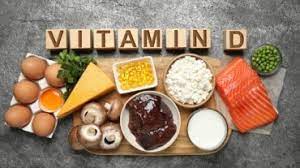
Dietary Gaps: Natural dietary sources of vitamin D are highly limited. They are found predominantly in fatty fish, cod liver oil, and beef liver—items largely absent from standard Indian diets. While fortified dairy products and mushrooms provide some vitamin D, they are rarely consumed in quantities sufficient to correct a profound deficiency.
Expert Perspectives and the Science of Safe Sun
Public health officials emphasize that solving the issue is not as simple as asking the public to bake in the sun at any cost. Striking a delicate balance between synthesis and skin safety is essential.
According to global guidelines from the U.S. National Institutes of Health (NIH) Office of Dietary Supplements, an individual’s ideal strategy for managing vitamin D depends heavily on age, personal risk factors, baseline diet, and regional sunlight availability. Furthermore, dermatological science offers reassuring nuance regarding sun protection. A comprehensive systematic review and meta-analysis published recently in 2025 confirmed that while sunscreen theoretically blocks the cutaneous (skin) production of vitamin D under laboratory settings, normal, real-world application of sunscreen does not typically cause vitamin D insufficiency. This is crucial because skin protection remains entirely necessary to mitigate the risks of sun damage and skin cancers.
Independent endocrinologists point out that the data around vitamin D must be viewed with a nuanced eye. While a 2019 meta-analysis in Nutrition & Health focused on adolescent girls in specific Indian states found a pooled deficiency rate of 25.7%, the authors heavily emphasized the “high heterogeneity” of the data. This means that study methods, regional environmental factors, and varying testing baselines make single, sweeping national estimates difficult to standardize.
Public Health Implications: A Warning Against Self-Medicating
In recent years, vitamin D has become a trendy topic in popular wellness culture, frequently linked to broad claims regarding immune support, diabetes prevention, and cardiovascular health. However, medical researchers caution against overstating these benefits. While the link between vitamin D and bone health is irrefutable, robust, cause-and-effect clinical evidence connecting vitamin D to the treatment or prevention of chronic metabolic diseases remains incomplete.
Because of this, the IMA and leading endocrinologists strongly discourage individuals from self-prescribing high-dose over-the-counter vitamin D supplements. Vitamin D is fat-soluble, meaning that unlike water-soluble vitamins, excess amounts are not excreted in urine but are instead stored in the body’s tissues, which can lead to toxicity and severe medical complications if over-consumed.
Instead, healthcare providers recommend a highly personalized, measured approach:
                  [ Clinical Evaluation ]
                             │
            ┌────────────────┴────────────────┐
            ▼                                 ▼
   [ Lifestyle Adjustments ]          [ Targeted Medical Intervention ]
   • 15–20 mins safe sun exposure     • Prescription-strength therapy
   • Consumption of fortified foods   • Routine monitoring for high-risk groups
For the general public, the designation of June 21 as Vitamin D Day serves as an ideal annual reminder to assess daily habits. For those who suspect they may be at risk—particularly older adults, individuals with indoor occupations, or those experiencing chronic fatigue and bone pain—the best next step is to schedule a routine blood test and speak with a qualified physician.
References
- https://medicaldialogues.in/news/health/ima-abbott-declare-june-21-as-vitamin-d-day-with-77-percent-indians-deficient-173661
Medical Disclaimer
Medical Disclaimer: This article is for informational purposes only and should not be considered medical advice. Always consult with qualified healthcare professionals before making any health-related decisions or changes to your treatment plan. The information presented here is based on current research and expert opinions, which may evolve as new evidence emerges.