 0
0
 0
0
ISLAMABAD — A major public health crisis is unfolding in Pakistan’s urban centers as new research reveals that nearly four in ten young children are living with toxic levels of lead in their blood. The study, released in late April and early May 2026, warns that a generation of children faces permanent risks to their brain development, physical growth, and future learning potential due to a preventable environmental hazard.
The comprehensive assessment, conducted by Pakistan’s Ministry of National Health Services, Regulations and Coordination in partnership with UNICEF, screened over 2,100 children aged 12 to 36 months. Focusing on high-risk industrial and urban zones across seven major cities, the findings have sent shockwaves through the medical community: 40% of the children tested showed elevated blood lead levels (BLLs).
A Tale of Seven Cities: Mapping the Risk
The burden of lead exposure is not uniform across the country, revealing deep disparities in environmental safety and industrial regulation. While the capital city of Islamabad showed a low prevalence of 1%, other areas reported catastrophic figures.
Key Findings by Location:
-
Hattar, Haripur: A staggering 88% of children tested positive for elevated BLLs.
-
Industrial Hubs: Cities like Karachi, Lahore, Peshawar, Quetta, and Rawalpindi showed significant clusters of exposure.
-
Age Vulnerability: Children under three are at the highest risk because they absorb up to five times more lead than adults due to their rapid metabolism and frequent hand-to-mouth behavior.
“Lead is a silent thief of potential,” says UNICEF in a statement accompanying the data. “There is no known safe blood lead concentration. Even low levels can cause irreversible damage to a developing brain.”
Why Lead is a “Forever” Threat
For the medical community, the concern lies in lead’s ability to mimic essential minerals like calcium. When a child ingests or inhales lead, the body stores it in the blood, soft tissues, and bones.
The World Health Organization (WHO) and the Centers for Disease Control and Prevention (CDC) have both lowered their thresholds for action in recent years. The CDC currently maintains that blood lead levels at or above 3.5 µg/dL require medical follow-up, though they emphasize that no level is safe.
Long-Term Health Consequences:
-
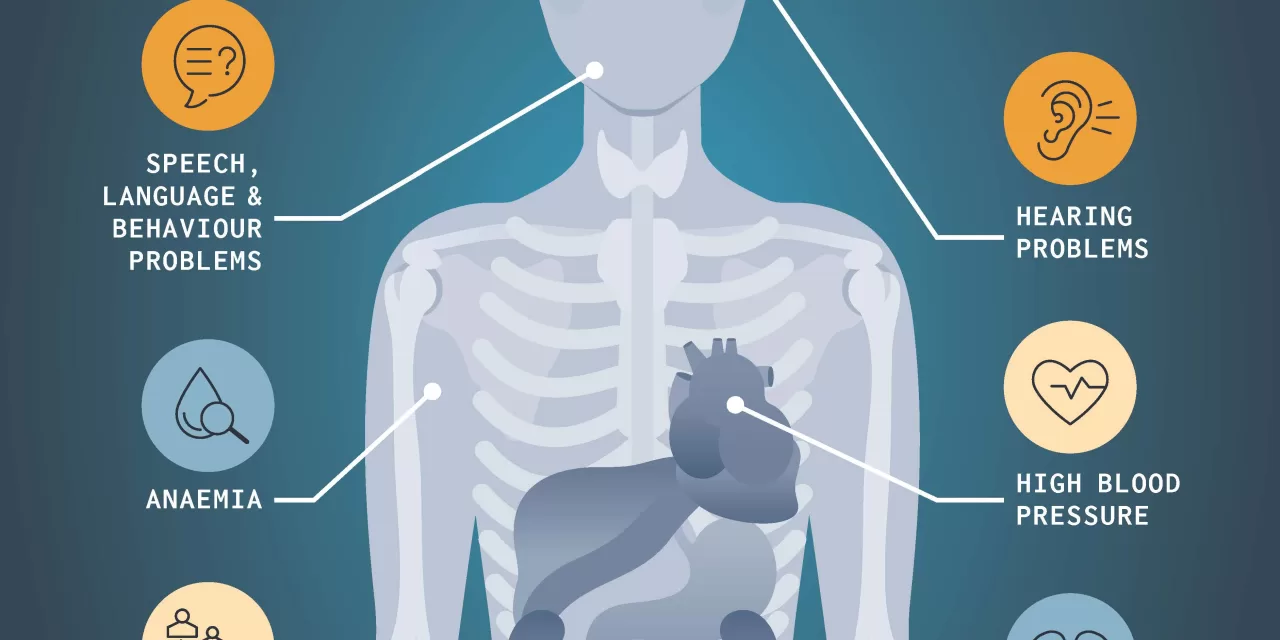
Neurological: Reduced IQ, shortened attention spans, and increased antisocial behavior.
-
Physical: Anemia, hypertension, renal impairment, and immunotoxicity.
-
Systemic: Stunted growth and hearing or speech delays.
“This is not just a pediatric issue; it is a lifelong health trajectory,” explains Dr. Ruediger Krech, Director of Health Promotion at WHO. “Lead exposure in childhood is a major contributor to cardiovascular disease and premature death in adulthood.”
Identifying the Culprits: Sources of Contamination
The study points to a complex web of exposure pathways common in rapidly industrializing nations. Unlike high-income countries where leaded gasoline was the primary historical culprit, the sources in Pakistan are diverse and often unregulated.
-
Informal Battery Recycling: Small-scale, “backyard” smelting of lead-acid batteries releases toxic dust and fumes into residential neighborhoods.
-
Lead-Based Paints: Many household paints still contain high lead concentrations, which become dangerous as they flake or turn to dust.
-
Contaminated Spices and Food: Lead chromate is sometimes used to brighten the color of spices like turmeric.
-
Traditional Cosmetics: Products like surma or kohl can contain high lead content, applied directly to children’s eyes.
-
Industrial Emissions: Proximity to factories in areas like Hattar directly correlates with the 88% prevalence rate found in the study.
Expert Perspectives: Prevention Over Treatment
Medical experts not involved in the study emphasize that while medical intervention exists for extreme cases (such as chelation therapy), it cannot “undo” the developmental damage already caused.
“The most effective ‘medicine’ for lead poisoning is a screwdriver and a mop,” says an environmental health specialist. “You have to fix the peeling paint, stabilize the soil, and shut down the illegal smelters. Once the lead is in the brain, the damage to a child’s cognitive ‘wiring’ is largely permanent.”
The CDC recommends that children living in high-risk areas receive nutritional counseling—specifically increasing intake of calcium, iron, and Vitamin C—which can help the body absorb less lead. However, these are secondary defenses compared to total source removal.
Limitations and the Path Forward
Critics and researchers note that because the study focused on “high-risk” industrial zones, the 40% figure may not represent every rural village or affluent suburb in Pakistan. However, the data confirms that for the millions of families living in or near industrial corridors, the risk is a daily reality.
The study serves as a “red alert” for policymakers. Experts argue that a multi-sectoral response is mandatory, including:
-
Strict Regulation: Enforcing laws against lead in paint and spices.
-
Industrial Oversight: Moving battery recycling away from residential areas.
-
Public Awareness: Educating parents on the dangers of certain traditional cosmetics and the importance of handwashing.
“The findings are a warning that environmental gaps are now manifesting as child development risks,” the report concludes. For Pakistan, protecting its youngest citizens from this invisible toxin may be one of the most critical investments in its future economic and social stability.
Medical Disclaimer: This article is for informational purposes only and should not be considered medical advice. Always consult with qualified healthcare professionals before making any health-related decisions or changes to your treatment plan. The information presented here is based on current research and expert opinions, which may evolve as new evidence emerges.
References
- https://www.geo.tv/latest/662537-lead-exposure-poses-serious-health-risks-to-children-in-pakistan-study