 0
0
 0
0
May 25, 2026
MADURAI, India — A silent gastrointestinal epidemic is sweeping across India as inflammatory bowel disease (IBD) cases climb steadily, with medical experts warning of a dramatic rise particularly among young adults and urban residents. At a recent medical symposium in Madurai this May, leading gastroenterologists emphasized that IBD is no longer a rare, Western affliction but a looming national crisis. Health authorities are urging the public to seek immediate medical evaluation for persistent bowel changes rather than dismissing them as common, transient stomach infections.
What Is Inflammatory Bowel Disease?
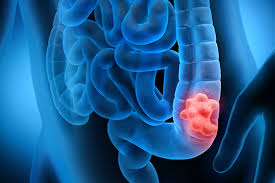
Inflammatory Bowel Disease is a chronic, relapsing inflammatory disorder of the digestive tract. It primarily encompasses two distinct conditions:
-
Ulcerative Colitis: This condition causes long-lasting inflammation and ulcers strictly in the innermost lining of the large intestine (colon) and rectum.
-
Crohn’s Disease: This type can cause chronic, deep inflammation anywhere along the digestive tract—from the mouth to the anus—though it most commonly attacks the lower part of the small intestine.
These diseases are not merely an “irritable stomach.” They represent a systemic immune malfunction where the body attacks its own digestive lining, leading to severe complications like internal bleeding, strictures (intestinal narrowing), fistulae (abnormal passages between organs), and painful abscesses. Common symptoms include relentless diarrhea, intense abdominal pain, blood in the stools, unexplained weight loss, fatigue, and chronic fever. In severe cases, the inflammation spills outside the gut, triggering joint pain, skin lesions, and liver complications.
The Numbers Behind the Surge: A 50-Fold Increase
The epidemiological shift of IBD in India is staggering. A landmark study published in The Lancet by the IBD Center at the Asian Institute of Gastroenterology (AIG) in Hyderabad revealed that IBD prevalence in certain tracked populations surged from a mere 0.1% in 2006 to over 5% by 2022.
To map out this shifting landscape, data compiled from The Lancet study, the Global Burden of Disease (GBD) framework, and national projections outline the scale of the crisis:
| Metric | Statistical Value / Finding |
| Current Estimated IBD Patients in India | ~15 Lakh (1.5 million individuals) |
| Historical Prevalence (AIG Survey, 2006) | 0.1% |
| Recent Prevalence (AIG Survey, 2022) | 5.1% |
| Median Age of Impacted Patients | 44 years (with a sharp rise in young adults) |
| Gender Distribution | 67% Male / 33% Female |
| Projected Cases by 2035 | Over 20 Lakh (2+ million) |
The AIG study evaluated nearly 31,000 patients presenting with lower gastrointestinal symptoms between March 2020 and May 2022, revealing that IBD accounted for more than 5% of all lower gut complaints. Surprisingly, this high rate was consistently mirrored across both urban and rural cohorts, signaling that the factors driving the disease have breached rural India.
Furthermore, long-term data from the Global Burden of Disease study shows India’s absolute IBD incidence more than doubled from 130,000 cases in 1990 to 270,000 cases in 2019. While India’s age-standardized incidence rate (2.34 per 100,000 people) remains technically lower than the global average of 4.97, the velocity at which Indian cases are multiplying far outpaces general population growth.
What Is Driving India’s Gut Crisis?
“From our initial survey in 2006, the incidence of IBD in rural areas was just 0.1 percent and now it stands at 5.1 percent, which is alarming,” noted Dr. D. Nageshwar Reddy, Chairman of AIG Hospitals and the study’s lead investigator.
According to Dr. P.L. Alagammai, senior consultant in medical gastroenterology at Meenakshi Super Speciality Hospital in Madurai, the surge is driven by a complex web of environmental and lifestyle transformations. Chief among these is dysbiosis—a severe disruption in the delicate balance of the gut microbiome.
“Genetically predisposed individuals inherit susceptibility from their parents,” explains Dr. Mahesh Kumar Gupta, Senior Consultant of Gastroenterology at Marengo Asia Hospital, Gurugram. “The gut environment, particularly the balance of bacteria, plays a crucial role; a healthy gut typically contains 60-70 percent good bacteria and 30-40 percent bad bacteria. Disruption in this balance, often due to poor dietary habits, lack of sleep, or excessive consumption of junk food and preservatives, can trigger inflammation.”
Primary Environmental Drivers:
-
The Dietary Westernization Shift: Dr. Sharad Malhotra, Director of Gastroenterology at Aakash Healthcare, emphasizes that India is moving away from traditional, high-fiber, natural diets toward ultra-processed foods loaded with emulsifiers, saturated fats, and refined sugars. A 2024 review in Nature Reviews Gastroenterology & Hepatology confirmed that these modern food additives weaken the protective intestinal barrier, inducing chronic mucosal inflammation.
-
Early-Life Microbiome Disruptions: The rise in Caesarean-section deliveries and a decline in exclusive breastfeeding deprive newborns of vital maternal microbes needed to train the developing immune system.
-
Over-Sanitization and Antibiotics: Excessive childhood antibiotic exposure wipes out diverse microbial communities, leaving the gut vulnerable to immune dysregulation later in life.
-
Urban Stress and Pollution: High-stress, sedentary lifestyles combined with urban particulate pollution act as environmental triggers that can push a genetically vulnerable immune system into overdrive.
The Dangerous Hurdle of Delayed Diagnosis
Perhaps the most critical issue facing Indian patients is diagnostic delay, which often spans months or even years. Because the early symptoms of IBD—diarrhea, abdominal cramps, and fatigue—mimic common amoebic infections, irritable bowel syndrome (IBS), piles, or food poisoning, patients frequently self-medicate with short courses of antibiotics or home remedies.
Furthermore, a unique clinical challenge exists on the Indian subcontinent: distinguishing between Crohn’s disease and intestinal tuberculosis (TB). Both diseases present with almost identical symptoms, ulcerations, and granulomas (small areas of inflammation) in the intestines.
“The histopathological distinction between IBD or Crohn’s and intestinal tuberculosis remains a critical challenge in India,” states Dr. Suhas Udgirkar, consultant gastroenterologist at Jupiter Hospital. “Accurate biopsy analysis is essential because misdiagnosis can lead to inappropriate therapy and serious complications.” Misdiagnosing Crohn’s disease as TB can expose a patient to toxic, unnecessary anti-tubercular drugs, while mistakenly giving immunosuppressive IBD therapies to a patient with active intestinal TB can trigger a catastrophic, life-threatening systemic infection.
Dr. Aakaar Kapoor, CEO of City XRay and Scan Clinic, points out that patience and comprehensive screening are vital. “The symptoms of IBD overlap with Irritable Bowel Syndrome. This does delay diagnosis. However, there is no single diagnostic test for Ulcerative Colitis or Crohn’s Disease. It requires a combination of clinical evaluation, blood markers, stool tests, and colonoscopies with biopsies.”
Public Health Implications and Research Gaps
The rapid emergence of IBD in Asia is poised to place a massive burden on the healthcare infrastructure of developing economies. Treating IBD requires long-term, specialized care and expensive advanced therapies, such as biologics and targeted small-molecule drugs.
Currently, India faces stark infrastructure gaps. Advanced diagnostic tools like high-definition colonoscopy, capsule endoscopy, and specialized gastrointestinal pathology are largely confined to tier-1 urban medical centers, leaving rural populations heavily underserved. Additionally, pediatricians are reporting a worrying rise in childhood-onset IBD, an aggressive form of the disease that demands specialized pediatric gastroenterology care, which is in short supply nationwide.
Compounding the problem is social stigma. A pervasive culture of silence surrounding bowel habits often prevents young adults from speaking openly about chronic diarrhea or rectal bleeding, delaying vital interventions until severe damage or bowel obstruction has occurred.
Limitations in the Current Science
Despite these clear warnings, significant gaps remain in India-specific research:
-
Lack of Nationwide Registries: “It is estimated that more than 15 lakh people in India are suffering from IBD, but the true picture is not clear as we don’t have a large-scale, population-based epidemiological study to understand the exact incidence rate,” notes a recent report from Medindia.
-
Genetic Distinctions: Peer-reviewed analyses show that the standard genetic markers heavily linked to IBD in Western populations are completely absent or non-causal in Indian patients, meaning Western screening models do not apply here.
-
Conflicting Evidence: While lifestyle factors are widely blamed, some smaller regional studies have noted instances where direct dietary correlations with IBD incidence appeared weak, highlighting the need for more rigorous, multi-center trials across India’s diverse sub-populations.
Actionable Guidance: What Readers Can Do
While genetics cannot be changed, clinical evidence shows that proactive lifestyle choices can help support gut integrity and lower the risk of systemic inflammation.
Guarding Your Gut Microbiome
-
Prioritize Fiber and Whole Foods: Reclaim traditional dietary habits by consuming plenty of fresh fruits, green leafy vegetables, legumes, and whole grains. Fiber feeds beneficial gut bacteria, which produce short-chain fatty acids that actively strengthen and heal the intestinal lining.
-
Wean Off Ultra-Processed Items: Minimize foods containing artificial emulsifiers, thickeners, and preservatives (found in many packaged snacks, ready meals, and commercial baked goods) that irritate the gut wall.
-
Rethink Antibiotic Misuse: Avoid self-prescribing antibiotics for routine colds or self-limiting viral stomach bugs. Always consult a physician before taking antimicrobial medications.
-
Incorporate Prebiotics and Probiotics: Include traditional fermented foods like home-set curd (dahi) or buttermilk in your daily diet to support microbial diversity.
Red Flags: When to See a Gastroenterologist
Do not ignore or try to self-treat chronic abdominal issues. Schedule an evaluation with a specialist if you experience any of the following warning signs:
-
Diarrhea or loose stools that persist for more than two weeks.
-
Visible blood, mucus, or dark tarry clots in your stool.
-
Unexplained, unintentional weight loss accompanied by a loss of appetite.
-
Recurrent, localized abdominal pain or cramping that wakes you up at night.
-
Unexplained, lingering fatigue combined with low-grade fevers.
When caught early, modern medical therapies can successfully suppress IBD inflammation, prevent irreversible bowel damage, and allow individuals to lead full, active lives.
Medical Disclaimer: This article is for informational purposes only and should not be considered medical advice. Always consult with qualified healthcare professionals before making any health-related decisions or changes to your treatment plan. The information presented here is based on current research and expert opinions, which may evolve as new evidence emerges.
References
https://timesofindia.indiatimes.com/city/madurai/steady-rise-in-inflammatory-bowel-disease-in-india-experts/articleshow/131284355.cms