 0
0
 0
0
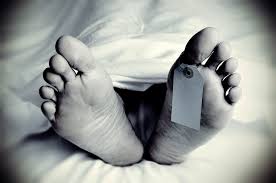
TIRUVALLUR, Tamil Nadu – The tragic death of a 20-year-old medical student on April 8, 2026, has reignited a national conversation regarding the escalating mental health crisis within India’s medical education system. Aashir, a second-year MBBS student at a private medical college near Tiruvallur, reportedly died after falling from the fifth floor of his hostel building. While local authorities continue to investigate the specific triggers behind the incident, the tragedy follows a harrowing pattern of student suicides that experts say points to systemic failures in student welfare.
A Pattern of Tragedy
The incident occurred shortly after classes concluded for the day at the institution in Pandur village. According to the Tiruvallur Taluk Police, Aashir sustained severe injuries from the fall and succumbed despite emergency medical intervention. While no suicide note was immediately recovered, the circumstances mirror several high-profile cases across the country, including recent fatalities at Kasturba Medical College in Karnataka and Meenakshi Medical College in Kancheepuram.
These events are not isolated. Data from the National Medical Commission (NMC) reveals a sobering reality: between 2019 and 2024, 122 medical students (64 undergraduates and 58 postgraduates) took their own lives. During that same period, over 1,200 students dropped out of medical programs, often citing unbearable stress and declining mental health.
The Weight of the White Coat
The path to becoming a doctor in India is famously grueling. From the hyper-competitive NEET entrance exams to a curriculum defined by rote learning and high-stakes assessments, the pressure begins long before a student enters a clinical ward.
Research published in the International Journal of Social Psychiatry suggests that academic stress is a primary factor in nearly 45% of medical student suicides in India. Furthermore, meta-analyses of the Indian medical student population indicate a staggering prevalence of mental health struggles:
-
Depression: 39.2%
-
Anxiety: 34.5%
-
Suicidal Ideation: Up to 53.6% in certain high-pressure cohorts.
“We are seeing a generation of future healers who are themselves breaking under the weight of the system,” says Dr. Ramya Chandrasekaran, a psychiatrist at Madras Medical College, who was not involved in the current investigation. “The burnout results from a combination of chronic sleep deprivation, a massive workload, and a culture that often views seeking help as a sign of weakness.”
Barriers to Support: Stigma and Silence
Despite the high prevalence of distress, only a fraction of students seek professional help. Experts point to “professional stigma”—the fear that a mental health diagnosis could lead to academic repercussions or future licensing issues—as a major deterrent.
Dr. S. Venkatesh, a public health expert based in Coimbatore, emphasizes that peer support is often the only safety net, yet it is frequently insufficient. “Our data suggests that only about 13% of at-risk students consult a psychiatrist before a tragedy occurs,” Dr. Venkatesh notes. “The fear of a lack of confidentiality in a close-knit hostel environment keeps many in the shadows.”
Other contributing factors identified by health authorities include:
-
Isolation: Many students live far from home in hostel environments where “ragging” (hazing) remains a persistent issue despite strict bans.
-
Methodology: Statistical trends show that jumping from heights is a prevalent method in student suicides, accounting for roughly 26% of cases where warning signs were present but unaddressed.
-
Institutional Variance: While government colleges are increasingly under the microscope, private institutions may lag in implementing standardized mental health protocols.
The “MaNaM” Initiative: A Step Forward?
In response to the rising tide of student distress, the Tamil Nadu government launched the MaNaM Thittam (Mana Nala Nallaatharavu Mandrum) in 2022. This initiative, established through the National Health Mission, aims to create “mental health forums” in all medical colleges.
The program focuses on training “peer ambassadors”—students who are taught to recognize warning signs in their classmates—and providing access to tele-counseling via the 104 helpline. While the initiative has been praised for destigmatizing mental health in government institutions, the recent death at a private college raises questions about the uniformity of these programs across the private sector.
Public Health and Policy Implications
The health of medical students is a matter of significant public concern. Studies suggest that untreated mental health issues among trainees can lead to medical errors, reduced empathy, and poor patient outcomes later in their careers.
Public health advocates are now calling for:
-
Mandatory Screenings: Regular, confidential mental health check-ups for all medical students.
-
Curriculum Reform: Reducing the emphasis on rote memorization and introducing mandatory “wellness hours.”
-
National Oversight: Ensuring that private medical colleges are held to the same rigorous standards of student welfare as government institutions.
Guidance for Students and Families
For families, experts recommend looking for “hidden” signs of distress, such as sudden social withdrawal, irritability, or an unusual obsession with academic failure. For students, utilizing anonymous resources can be a vital first step.
In India, the Tele-MANAS helpline (14416 or 1800-891-4416) provides 24/7 confidential support. Taking a “mental health break” should be viewed not as a failure, but as a necessary part of professional development.
Limitations of Current Data
While the statistics are alarming, researchers acknowledge that the true scale of the crisis may be even larger. Suicides in India are frequently underreported or misclassified due to social stigma and legal complexities, leading to gaps in the data that policymakers rely on. Furthermore, while academic pressure is a leading cause, personal factors—including financial strain and family expectations—often intertwine, making it difficult to point to a single “trigger” in cases like Aashir’s.
As the investigation in Tiruvallur continues, the medical community is left to grapple with a difficult question: how to preserve the rigor of medical training without sacrificing the lives of those who seek to practice it.
References
Studies and Citations:
- https://medicaldialogues.in/state-news/tamil-nadu/2nd-year-mbbs-student-dies-after-allegedly-jumping-from-hostel-building-168285
Medical Disclaimer: This article is for informational purposes only and should not be considered medical advice. Always consult with qualified healthcare professionals before making any health-related decisions or changes to your treatment plan. The information presented here is based on current research and expert opinions, which may evolve as new evidence emerges.