 0
0
 0
0
KOLKATA — In a milestone for global health equity, a pioneering pediatric diabetes program developed in West Bengal is now being sought as a blueprint for nations across Southeast Asia. What began as a modest pilot project in 2022 at Kolkata’s IPGMER-SSKM Hospital has evolved into a comprehensive public health strategy that countries including Cambodia, Vietnam, Thailand, Malaysia, Myanmar, and the Philippines are now looking to replicate.
The program, led by renowned endocrinologist Professor Sujoy Ghosh, has successfully bridged the gap between life-saving medical technology and resource-limited rural settings. By providing free insulin, digital monitoring, and structured education, the “Bengal Model” has achieved a rare and vital metric in chronic disease management: zero reported deaths among its 1,700 enrolled children.
The Silent Crisis of Type 1 Diabetes
To understand the significance of this model, one must understand the stakes of the disease. Unlike Type 2 diabetes, which is often linked to lifestyle factors, Type 1 Diabetes (T1D) is an autoimmune condition. In T1D, the body’s immune system mistakenly attacks the insulin-producing cells in the pancreas.
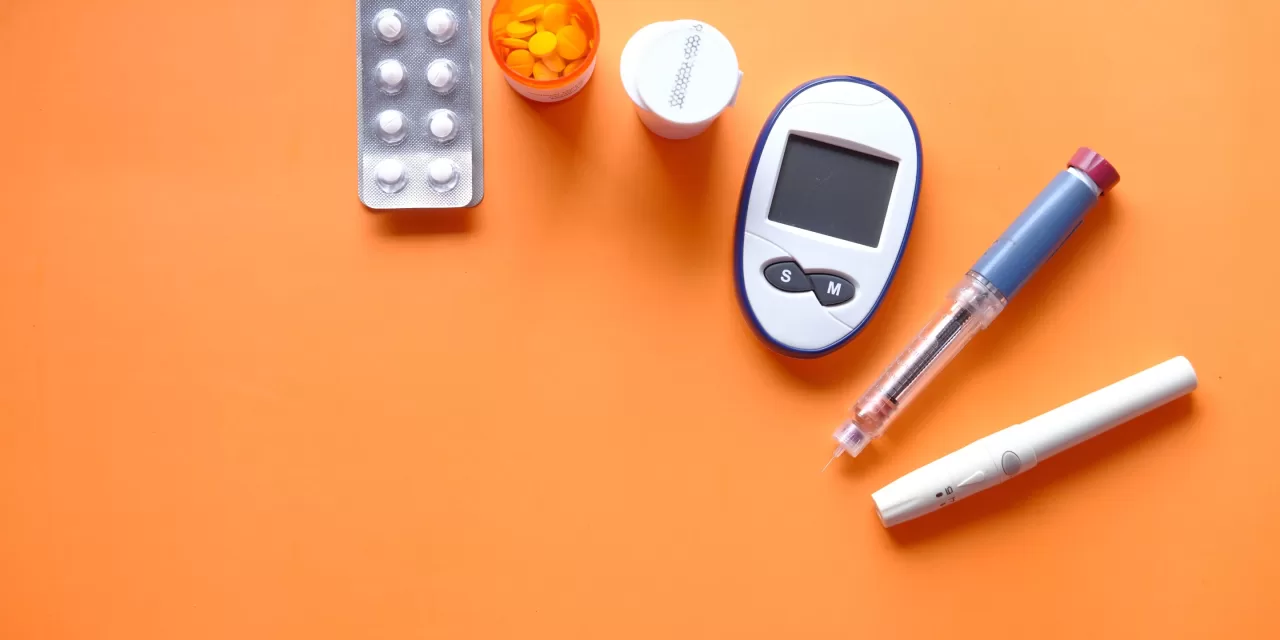
Without insulin, the body cannot move sugar (glucose) from the bloodstream into the cells to be used for energy. For a child, this results in dangerous blood sugar spikes. Without daily insulin injections and rigorous monitoring, the condition leads to life-threatening complications like ketoacidosis or long-term organ damage.
In India, the burden is staggering. Statistics from the International Diabetes Federation (IDF) indicate that India is home to approximately 97,700 children under the age of 15 living with T1D. In low-resource households, the cost of insulin and testing strips can exceed the entire annual family income, forcing parents to make impossible choices between medicine and food.
Anatomy of the Bengal Model: How It Works
The genius of the West Bengal initiative lies not in a new drug, but in a new delivery system. The state government, supported by UNICEF and the National Health Mission (NHM), integrated T1D care into existing Non-Communicable Disease (NCD) clinics already operating in district hospitals.
1. Decentralized Access
Instead of forcing families to travel hundreds of miles to Kolkata for specialty care, the model trains district-level staff to manage T1D. This “hub-and-spoke” system ensures that children can receive their monthly supplies of free insulin and glucometer strips close to home.
2. The Digital Safety Net
The program utilizes a digital registry to track every patient. This allows healthcare providers to monitor clinical outcomes in real-time, ensuring that no child “drops out” of the system.
3. Simplified Education
Medical terminology is often a barrier to care. Professor Ghosh’s team uses simple, culturally resonant analogies to teach families about glucose management.
“We teach parents that insulin is like a ‘key’ that unlocks the door to their child’s cells, allowing the ‘sugar’ (energy) to enter,” says Professor Ghosh. “When they understand the ‘why,’ the adherence to daily injections improves dramatically.”
Global Recognition and Replication
The success of the program has caught the attention of international health advocates. Action4Diabetes (A4D), a UK-based NGO dedicated to helping children with T1D in Southeast Asia, has formally requested technical guidance from the Bengal health department.
“Our intention is to learn from and adopt the most effective aspects of the West Bengal model,” stated Fiona Ooi of A4D. The sentiment was echoed by Harvard University’s Dr. Gene Bukhman during a 2025 visit to SSKM Hospital, where he described the program as a “first-of-its-kind” benchmark for the developing world.
State Principal Health Secretary Narayan Swaroop Nigam confirmed the state’s commitment to sharing its knowledge. “The Bengal model for T1D is now a published work,” he noted. “We should help others replicate such good practices.”
Expert Perspectives: Bridging the Urban-Rural Divide
Dr. V. Mohan, a leading diabetologist at the Madras Diabetes Research Foundation (who was not involved in the program), emphasizes that the model addresses a critical diagnostic gap.
“In India, we often see lower prevalence rates of T1D in rural areas compared to cities,” Dr. Mohan explains. “However, this is frequently due to undiagnosis rather than a lack of cases. By making care routine and free in public clinics, the Bengal model finds these ‘missing’ children and saves lives before they reach a point of crisis.”
Public health experts suggest that the model’s focus on “person-first” language—referring to “children living with T1D” rather than “diabetics”—also helps reduce the social stigma that often prevents families from seeking help.
Challenges to Sustainability
Despite its acclaim, the model faces hurdles as it scales. Independent observers point to three primary concerns:
-
Supply Chain Vulnerability: Nationwide insulin shortages can still occur, and the model depends entirely on a consistent, cold-chain-secured supply of medication.
-
Physician Overload: General practitioners at district clinics are often overwhelmed by patient volume, which can lead to suboptimal adherence to specialized T1D protocols.
-
Digital Infrastructure: The model’s reliance on digital tracking assumes stable internet and power in remote areas—an assumption that does not always hold true in every region of Southeast Asia.
The Path Forward
For the 1,700 children currently in the program, the “Bengal Model” represents more than just medical care; it represents a normal life. Children who previously could not attend school for fear of a hypoglycemic episode are now back in classrooms, supported by a system that views their health as a fundamental right rather than a financial privilege.
As eight other Indian states prepare to launch similar programs, the lessons from West Bengal provide a powerful reminder: innovation isn’t always about the most expensive technology—sometimes, it’s about making sure the existing “key” reaches the people who need it most.
Medical Disclaimer: This article is for informational purposes only and should not be considered medical advice. Always consult with qualified healthcare professionals before making any health-related decisions or changes to your treatment plan. The information presented here is based on current research and expert opinions, which may evolve as new evidence emerges.
References
https://health.economictimes.indiatimes.com/news/policy/bengal-model-to-fight-type-1-diabetes-t1d-set-to-go-global/130127220?utm_source=top_story&utm_medium=homepage