 0
0
 0
0
LUCKNOW, INDIA — In a stark warning to the nation’s healthcare sector, leading medical experts and government officials gathered in Lucknow on April 10, 2026, to address a burgeoning maternal health crisis. The central message from the Federation of Obstetric and Gynaecological Societies of India (FOGSI) ‘Art of Birthing Conclave’ was clear: a rapid rise in obesity and diabetes is transforming the landscape of Indian pregnancy, leading to a dramatic surge in high-risk cases and surgical interventions.
Amit Kumar Ghosh, Additional Chief Secretary for Medical Health and Family Welfare, addressed over 500 delegates at the Atal Bihari Vajpayee Scientific Convention Centre, identifying a “quadruple threat” of anemia, obesity, hypertension, and diabetes. These factors, he noted, are the primary drivers behind the escalating rates of caesarean section (C-section) deliveries, which have nearly tripled over the last decade.
A Nation at Risk: By the Numbers
The scale of the challenge is reflected in recent national data, which reveals that nearly half of all pregnancies in India—49.4%—are now classified as high-risk. While one-third of these cases involve a single risk factor, roughly 16.4% of expectant mothers are grappling with multiple complications simultaneously.
The surge in Gestational Diabetes Mellitus (GDM) is particularly alarming. Prevalence rates have skyrocketed from 13.3% in the late 2000s to over 30% in the most recent reporting periods. This trend is closely mirrored by the rise in C-sections, which accounted for approximately 10% of births in 2012-13 but have soared to 27.46% in 2024-25.
“We are seeing a shift where what used to be considered ‘textbook’ complications are becoming the daily reality in labor wards,” noted FOGSI President Dr. Bhaskar Pal. “Prioritizing safe, dignified deliveries is becoming increasingly complex as high-risk cases become the norm rather than the exception.”
The Biological Strain: Why Weight and Sugar Matter
Medical experts explain that obesity and diabetes do more than just add a label to a pregnancy; they fundamentally alter the body’s ability to support a developing fetus.
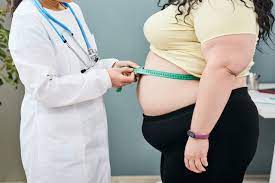
Obesity (BMI ≥30 kg/m²) creates a state of chronic inflammation and metabolic stress. Much like an engine forced to pull a heavy load uphill, a mother’s heart and lungs must work significantly harder to accommodate the natural changes of pregnancy when carrying excess weight. This strain significantly increases the odds of:
-
Preeclampsia: A dangerous hypertensive disorder (risk increases 2.1-fold).
-
Macrosomia: Excessively large babies, which often lead to birth injuries or the necessity of a C-section.
-
Maternal ICU Admission: Obese patients face a five-fold increase in the risk of requiring intensive care.
Gestational Diabetes compounds these risks by exacerbating insulin resistance. When blood sugar remains high, it can lead to fetal growth disorders and slow, difficult labors that often end in emergency surgical intervention.
“Obesity makes the body more resistant to insulin, spiking gestational diabetes risk and leading to complications for both mother and baby,” explains Dr. Gandhali Deorukhkar, a gynecologist at Wockhardt Hospitals, Mumbai, who was not involved in the conclave. She also warned of the “hidden” danger of blood clots (thromboembolism) due to reduced mobility in obese pregnancies, a condition that can be life-threatening.
Geographic and Socioeconomic Disparities
The burden is not felt equally across the subcontinent. While urban centers face high rates of obesity due to sedentary lifestyles and processed diets, certain states report staggering high-risk percentages. Meghalaya (67.8%) and Manipur (66.7%) lead the nation in high-risk pregnancy prevalence, highlighting the need for localized healthcare strategies.
In urban India, the National Family Health Survey (NFHS-5) indicates that approximately 31% of reproductive-age women are overweight or obese. This demographic shift is linked to one in every four cases of GDM and one in five C-sections performed in city hospitals.
Public Health Implications and the Path Forward
The implications for India’s public health infrastructure are profound. Despite significant progress, India recorded 19,000 maternal deaths in 2023—the second-highest globally. With high-risk pregnancies accounting for 75% of all perinatal deaths, the push for universal screening has never been more urgent.
Government officials and FOGSI leaders are advocating for a multi-pronged approach:
-
Universal GDM Screening: Early testing for all pregnant women, regardless of perceived risk.
-
Preconception Counseling: Encouraging women to reach a healthier BMI before pregnancy.
-
Frontline Training: The Lucknow conclave included hands-on sessions for nurses and doctors on managing postpartum hemorrhage and newborn resuscitation.
Dr. Ramya K S, an OB-GYN at Rainbow Children’s Hospital, emphasizes that lifestyle is the most modifiable factor. “Sedentary lifestyles and poor dietary habits are predisposing women to these conditions. However, prevention is possible. Even a 5-10% weight loss before conception can reduce the risk of gestational diabetes by half.”
A Balanced Perspective: Management vs. Fear
While the statistics are sobering, experts are quick to point out that a “high-risk” designation is not a guarantee of a poor outcome. Evidence suggests that when GDM and obesity are aggressively managed through tight glucose control, tailored nutrition, and regular monitoring, these women can achieve health outcomes comparable to low-risk pregnancies.
Furthermore, critics of the rising C-section rate note that medical risk is not the only factor. Patient preferences, fear of labor pain, and the clinical practice of “once a C-section, always a C-section” also contribute to the numbers.
Takeaway for Readers
For health-conscious consumers, the message is one of proactive management rather than alarm. Experts recommend:
-
150 minutes of weekly moderate exercise prior to and (under medical supervision) during pregnancy.
-
Strict adherence to antenatal checkups to catch hypertension or blood sugar spikes early.
-
Focusing on nutrient-dense diets to manage gestational weight gain.
As India strives to meet the Sustainable Development Goals (SDG) for maternal mortality, the focus must shift from reactive crisis management in the delivery room to proactive health management in the months—and years—leading up to conception.
Medical Disclaimer: This article is for informational purposes only and should not be considered medical advice. Always consult with qualified healthcare professionals before making any health-related decisions or changes to your treatment plan. The information presented here is based on current research and expert opinions, which may evolve as new evidence emerges.
References
- https://health.economictimes.indiatimes.com/news/industry/obesity-diabetes-behind-rising-high-risk-pregnancies/130209007?utm_source=latest_news&utm_medium=homepage