 0
0
 0
0
For decades, the “gold standard” of nutritional advice has been unwavering: fill your plate with fruits, vegetables, and whole grains to shield your body against chronic disease. However, a provocative new study from researchers at the University of Southern California (USC) has sent a ripple of confusion through the health community.
The study suggests an unexpected statistical link between high-quality, plant-rich diets and increased rates of early-onset lung cancer among nonsmokers. While the headline may seem to turn nutritional science on its head, oncology experts and the researchers themselves are quick to issue a vital clarification: the culprit likely isn’t the broccoli or the apples, but rather the “hitchhikers” they carry—specifically pesticide residues and other environmental contaminants.
Unpacking the Findings: Correlation vs. Causation
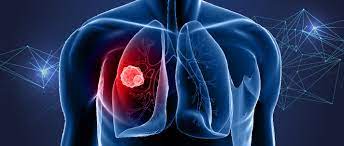
The USC research, recently highlighted by Medical News Today, focused on a demographic that has long puzzled oncologists: young adults, particularly women, who develop lung cancer despite having no history of tobacco use.
In analyzing lifestyle data, researchers found that patients with early-onset lung cancer often reported diets that scored high on “healthiness” indexes. The study also noted a secondary association with the use of oral contraceptives. However, the lead investigators emphasized that these are observed associations, not evidence of biological harm caused by the nutrients themselves.
“We are seeing a signal, not a smoking gun,” says the research team. The working hypothesis is that individuals consuming high volumes of conventionally grown produce may be inadvertently increasing their exposure to systemic pesticides. These chemicals, along with other environmental factors like air pollution and radon, may play a more significant role in the development of cancer in younger populations than previously understood.
Why the Scientific Community is Surprised
Lung cancer has historically been synonymous with smoking. According to UCLA Health, tobacco remains the leading cause of the disease, followed by secondhand smoke and radon exposure. However, the rise of “never-smoker” lung cancer—which would be the tenth deadliest cancer in the U.S. if it were classified as its own disease—has forced a shift in focus.
The reason this study feels jarring is the “Healthy User Bias.” Typically, people who eat more vegetables also exercise more, smoke less, and have better access to healthcare—factors that usually correlate with lower cancer rates. When a study shows the opposite, it suggests a hidden “confounder” is at play.
The Possible Culprits:
-
Pesticide Residue: Chemicals used in industrial farming can persist on produce and have been linked in other studies to endocrine disruption and cellular damage.
-
Environmental Exposure: Factors such as geography, proximity to industrial sites, or occupational hazards may overlap with certain dietary habits.
-
Changing Biology: Researchers are investigating whether the molecular makeup of lung cancer in young adults differs from that of older smokers, potentially making them more susceptible to specific environmental triggers.
Expert Perspective: A Call for Restraint
Independent experts urge the public not to overreact to these preliminary findings. Medical history is littered with “hypothesis-generating” studies that were later clarified by more rigorous clinical trials.
“One observational study is not enough to overturn forty years of evidence regarding the protective benefits of a plant-based diet,” says a spokesperson from UCLA Health. They point out that lung cancer risk in nonsmokers is a complex tapestry woven from genetics, air quality, and occupational toxins like solvents or asbestos.
Regarding the link to oral contraceptives, the evidence remains equally murky. A comprehensive meta-analysis of 14 studies published in the Asian Pacific Journal of Cancer Prevention found no significant overall association between birth control use and lung cancer risk. Most experts view the USC findings as a prompt for further investigation into how hormonal and environmental factors might interact, rather than a reason for patients to change their prescriptions.
What This Means for Your Daily Habits
If you are a health-conscious consumer, the takeaway is not to abandon the produce aisle. Instead, the focus should shift to food safety and source transparency.
Practical Steps for Consumers:
-
Wash Thoroughly: While washing cannot remove systemic pesticides (those absorbed into the plant’s tissue), it can significantly reduce surface residues and bacteria.
-
Diversify Your Diet: By eating a wide variety of foods from different regions and sources, you reduce the risk of repeated high-level exposure to a single specific chemical.
-
Consider Organic: For produce known to have higher pesticide loads (often referred to as the “Dirty Dozen”), choosing organic options can lower chemical exposure.
-
Prioritize Known Risks: Ensure your home is tested for radon—an odorless gas that is the second leading cause of lung cancer—and avoid secondhand smoke.
The Limitations of the Research
It is essential to recognize the inherent weaknesses in observational research. These studies rely on self-reported data, which can be subject to “recall bias.” Furthermore, it is difficult to isolate diet from every other variable in a person’s life.
As noted in Nature Metabolism (2025), recent breakthroughs in understanding lung adenocarcinoma have focused on how the body processes glycogen to drive tumor growth. This suggests that the internal metabolic environment—influenced by genetics and long-term lifestyle—is just as critical as external exposures.
The USC researchers themselves admit that “more work is needed” to determine if the pesticide link holds up under more stringent testing. Until then, the dietary association remains an intriguing clue in a much larger puzzle.
Looking Ahead: The Future of Cancer Prevention
The study serves as a vital reminder that “healthy” is not a static definition. As our environment changes, so too must our understanding of risk. This research will likely fuel new debates on food safety regulations and the need for more aggressive monitoring of environmental toxins.
For now, the medical community’s message is clear: keep eating your greens. The proven benefits for heart health, weight management, and the prevention of other cancers far outweigh the hypothetical risks suggested by a single study. The goal of science is to refine our choices, not to paralyze them with fear.
References
-
USC Health Sciences: Research report on early-onset lung cancer and dietary associations. Science Daily, April 2026.
-
Medical News Today: “Dietary Patterns and Lung Cancer Risk in Non-Smokers: A Critical Analysis,” April 16, 2026.
Medical Disclaimer: This article is for informational purposes only and should not be considered medical advice. Always consult with qualified healthcare professionals before making any health-related decisions or changes to your treatment plan. The information presented here is based on current research and expert opinions, which may evolve as new evidence emerges.