 0
0
 0
0
NEW DELHI — In a major development for public health in India, the metabolic healthcare market is bracing for a tectonic shift following the March 2026 patent expiry of semaglutide, the blockbuster active ingredient behind Novo Nordisk’s Ozempic and Wegovy. The patent expiration has triggered an aggressive wave of generic launches by prominent domestic pharmaceutical giants, igniting intense price competition.
Industry projections suggest that fierce market competition could drive the monthly cost of treatment down to as low as ₹500 for certain low-dose or vial formulations. While this unprecedented price drop promises to democratize access to life-altering therapies for millions of individuals living with type 2 diabetes and chronic obesity, medical experts and regulatory bodies urge caution. They warn that the real-world impact of these generic alternatives will heavily depend on specific formulations, delivery mechanisms, rigorous regulatory oversight, and strict clinical supervision.
The Generic Wave and the “₹500 Room” Explained
For years, the prohibitive cost of branded GLP-1 receptor agonists kept these highly effective metabolic medications out of reach for the vast majority of the Indian population. The landscape shifted dramatically in early 2026. Industry reports indicate that prominent domestic drugmakers, including Hyderabad-based Dr. Reddy’s Laboratories, aggressively prepared for a March 2026 debut of their generic semaglutide portfolios.
Analysts project overall price reductions of up to 60% across the board compared to branded alternatives. However, healthcare economics experts clarify that the widely cited “₹500 per month” figure requires careful nuance. Launch-day data reveals a highly segmented pricing structure:
-
Vial Formulations: Traditional vial-and-syringe options represent the lowest pricing tier, starting at approximately ₹325 weekly for certain entry-level doses.
-
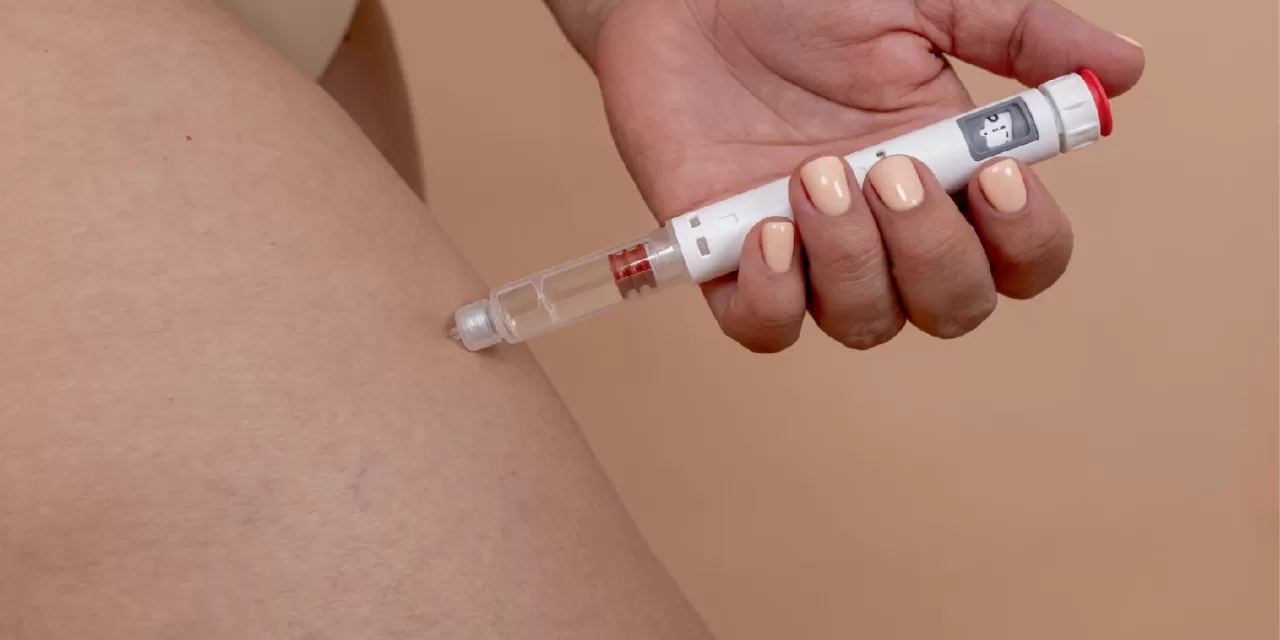
Pen-Based Injectables: Modern, user-friendly auto-injector pens remain significantly more expensive, hovering around ₹4,200 per month.
Consequently, a ₹500 monthly budget represents a floor for specific low-dose vial formats rather than a uniform market price for all semaglutide products. Real-world costs will inevitably fluctuate based on the manufacturer, the delivery device, the required dosage strength, and whether the drug is specifically approved for type 2 diabetes, chronic weight management, or both.
The Public Health Imperative: Obesity and Diabetes in India
The timing of this pharmaceutical shift is critical. Metabolic disorders have escalated into a global public health crisis. According to data from the World Health Organization (WHO), more than 1 billion people worldwide were living with obesity as of 2022, with the adult obesity rate more than doubling globally since 1990. In India, the double burden of type 2 diabetes and escalating obesity rates threatens to overwhelm the healthcare infrastructure. Because long-term adherence is vital for metabolic therapies, cost has historically acted as a definitive barrier to care.
Semaglutide works by mimicking glucagon-like peptide-1 (GLP-1), a naturally occurring gut hormone that plays a pivotal role in regulating blood sugar levels and suppressing appetite. The landmark STEP 1 clinical trial, published in the New England Journal of Medicine, underscored the drug’s therapeutic potential. The randomized, double-blind study evaluated 1,961 adults with overweight or obesity who did not have diabetes. Over a 68-week period, participants receiving a weekly 2.4 mg dose of semaglutide alongside lifestyle interventions achieved an average body weight reduction of 14.9%, compared to just a 2.4% reduction in the placebo group.
Furthermore, the trial demonstrated that:
-
86.4% of participants on semaglutide lost at least 5% of their body weight.
-
69.1% achieved a weight loss of 10% or more.
-
50.5% managed to shed at least 15% of their initial body weight.
Clinical Realities and the Risks of Unsupervised Use
Despite the impressive clinical trial data, medical professionals emphasize that semaglutide is a potent pharmaceutical agent, not a casual lifestyle aid. In the STEP 1 trial, gastrointestinal issues were widespread, with nausea and diarrhea noted as the most frequent side effects. Crucially, 4.5% of individuals in the semaglutide arm discontinued treatment entirely due to adverse gastrointestinal events, compared to a mere 0.8% in the placebo cohort.
The U.S. Food and Drug Administration (FDA) has also consistently highlighted label warnings regarding the elevated risk of hypoglycemia (dangerously low blood sugar), particularly when semaglutide is co-administered with traditional diabetes medications like insulin or sulfonylureas.
Outside of controlled clinical trials, the prospect of cheap, easily accessible generic semaglutide introduces severe public health worries regarding unsupervised self-medication.
“We are already witnessing an alarming trend of patients seeking GLP-1 medications solely for cosmetic weight loss,” notes Dr. Ananya Iyer, an independent endocrinologist based in Mumbai who was not involved in the generic manufacturing initiatives. “When individuals bypass a thorough medical evaluation, they skip vital screenings for underlying conditions such as thyroid disease, type 2 diabetes, silent cardiac issues, or active eating disorders. Dose escalation must be meticulously titrated by a clinician to mitigate severe gastrointestinal distress and metabolic shock.”
Balancing Open Access Against Patient Safety
The World Health Organization has long maintained that obesity is a highly complex, chronic relapsing disease. Resolving it requires an integrated continuum of care that incorporates primary healthcare services, nutritional support, regular physical activity, and robust public policy. Medications are designed to serve as an adjunct to these foundational lifestyle measures, not a standalone, quick-fix replacement.
As generic competition drives prices down, the public health impact across India will be profound. In urban clinics and specialized endocrine practices, thousands of previously priced-out patients will finally gain access to evidence-based metabolic treatment.
However, the medical community warns that health systems must remain vigilant. Broad affordability increases the risk of inappropriate off-label usage, the proliferation of counterfeit generic formulations in a loosely regulated market, and premature self-medication without diagnostic oversight.
While generic competition is effectively dismantling the financial barriers to advanced metabolic care in India, the core clinical consensus remains unchanged: semaglutide may soon cost significantly less, but it must remain a doctor-guided prescription treatment rather than a lifestyle shortcut.
References
- https://medicaldialogues.in/news/industry/pharma/generic-semaglutide-therapy-cost-in-india-may-drop-to-rs-500-a-month-report-170782
Medical Disclaimer: This article is for informational purposes only and should not be considered medical advice. Always consult with qualified healthcare professionals before making any health-related decisions or changes to your treatment plan. The information presented here is based on current research and expert opinions, which may evolve as new evidence emerges.