 0
0
 0
0
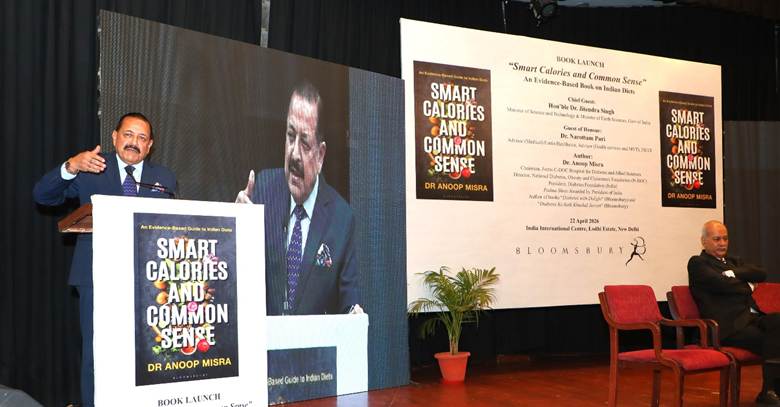
NEW DELHI — In an era where viral “superfood” trends and restrictive diet fads often eclipse clinical evidence, Union Minister Dr. Jitendra Singh issued a definitive call for scientific sobriety in nutrition. Speaking at the launch of a new evidence-based guide to Indian diets on April 22, 2026, the Minister cautioned that the proliferation of dietary misinformation is becoming a public health challenge as significant as the metabolic diseases it claims to cure.
The Minister, who holds multiple portfolios including Science & Technology and is himself a renowned endocrinologist, emphasized that there is no “one-size-fits-all” solution to nutrition. He advocated for a return to individualized metabolism and common-sense observation over the rigid, generalized prescriptions often found on social media.
Combating the “Infodemic” in Nutrition
The central theme of Dr. Singh’s address was the dangerous rise of “dietary disinformation.” As digital platforms become the primary source of health advice for millions, the Minister noted that attractive, complex, or overly commercialized diet plans often gain popularity despite a lack of rigorous scientific backing.
“Diet is too important a subject to be left to any one group alone,” Dr. Singh remarked. He underscored that while awareness of lifestyle diseases like diabetes and obesity is at an all-time high, the quality of that awareness is frequently compromised by unverified claims.
The Evolution of Scientific Consensus
One of the more poignant moments of the address involved Dr. Singh’s reflection on the shifting sands of nutritional science. He pointed out how “absolute” truths in nutrition have frequently reversed over the decades:
-
Fats: The transition from endorsing refined oils back to recognizing the value of traditional fats.
-
Sweeteners: The fluctuating scientific stance on artificial sugar substitutes versus natural alternatives.
-
The Individual vs. The Population: The Minister noted that most dietary guidelines are based on large population studies, which may not account for the unique genetic and metabolic makeup of an individual.
“Science is yet to arrive at a final word on the ideal diet,” Dr. Singh stated, suggesting that the “gaps” in scientific consensus are exactly where misinformation takes root.
The “Smart Calories” Approach
The event marked the release of the book “Smart Calories and Common Sense: An Evidence-Based Guide to Indian Diets”, authored by Dr. Anoop Misra, Chairman of Fortis-C-DOC and a leading expert in diabetes and metabolic health.
The book aims to bridge the gap between complex clinical research and the daily eating habits of the Indian population. Dr. Misra’s work emphasizes that for the Indian context—where carbohydrate consumption is traditionally high and “thin-fat” phenotypes (individuals with a normal BMI but high visceral fat) are common—a nuanced approach is vital.
Dr. Narottam Puri, Advisor (Medical) at Fortis Healthcare, who attended as the Guest of Honour, echoed these sentiments, noting that excessive reliance on standardized laboratory reports sometimes causes clinicians to overlook the “clinical judgement” derived from a patient’s unique history and lifestyle.
Expert Perspective: The Danger of “Dietary Dogma”
Independent experts suggest that the Minister’s warning is timely. “We are seeing a surge in ‘orthorexia’—an unhealthy obsession with healthy eating—driven by conflicting online advice,” says Dr. Aranya Sen, a clinical nutritionist not involved with the book launch. “When public figures like Dr. Singh emphasize metabolic individuality, it empowers people to listen to their own bodies rather than a 30-second video clip.”
Experts point to three critical areas where the public is often misled:
-
Timing vs. Content: Dr. Singh noted that when we eat is often as important as what we eat, a concept known as chrononutrition.
-
Portion Distortion: The commercialization of “health foods” often leads consumers to overeat calorie-dense items because they are labeled “natural.”
-
Metabolic Variance: Two people eating the exact same meal can have vastly different blood glucose responses based on their gut microbiome and activity levels.
Public Health Implications: A Way Forward
The Minister concluded with a plea for moderation and self-observation. He suggested that instead of chasing the latest “ideal diet,” individuals should:
-
Actively observe their body’s response to different foods over time.
-
Prioritize meal distribution, ensuring that caloric intake is balanced throughout the day rather than back-loaded into a heavy dinner.
-
Consult professionals who prioritize evidence over “viral” trends.
By grounding nutrition in science rather than sensation, health authorities hope to curb the rising rates of Type 2 diabetes and hypertension in India, which currently affect over 100 million and 300 million people respectively, according to recent ICMR data.
References and Sources
Primary Event Source:
-
Press Information Bureau (PIB) Delhi. “Union Minister Dr. Jitendra Singh calls for caution against diet-related misinformation.” Posted April 22, 2026.
Medical Disclaimer: This article is for informational purposes only and should not be considered medical advice. Always consult with qualified healthcare professionals before making any health-related decisions or changes to your treatment plan. The information presented here is based on current research and expert opinions, which may evolve as new evidence emerges.