 0
0
 0
0
MANILA, Philippines — The World Health Organization (WHO) has issued an urgent directive for countries across the Asia-Pacific region to dramatically scale up investments in their emergency health workforces. Warning that a collision of climate disasters, drug-resistant infections, and novel disease outbreaks is pushing existing infrastructure to its limits, the health agency declared that isolated, single-disease medical responses are no longer capable of protecting public health.
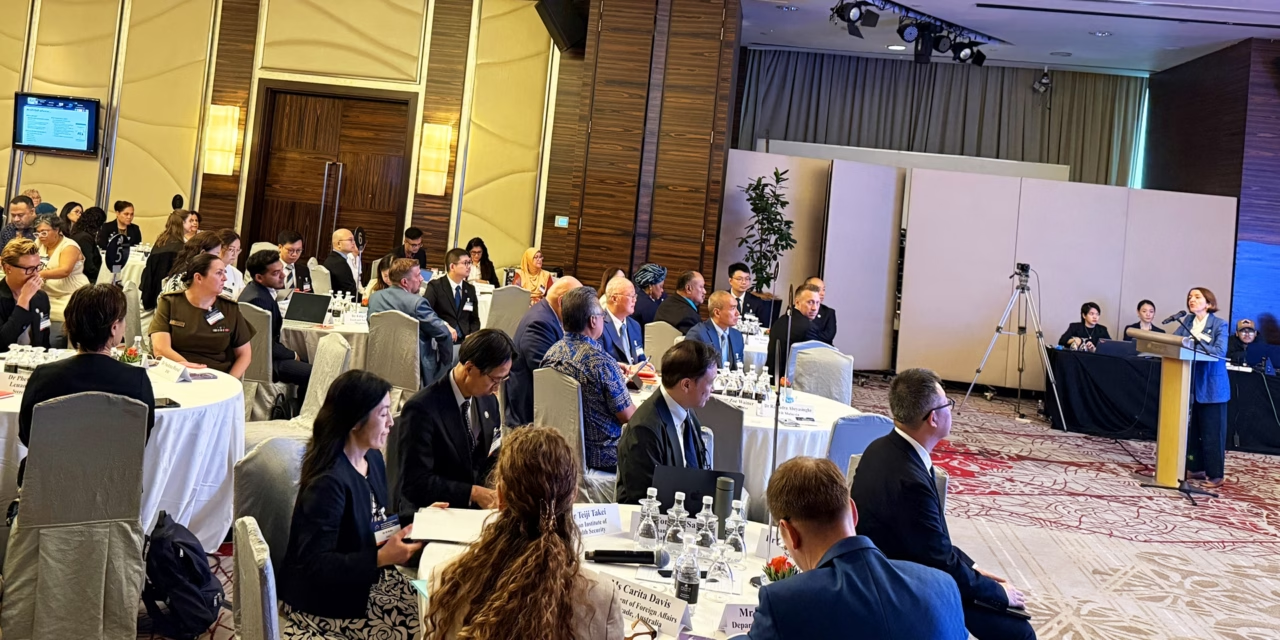
The announcement followed the WHO-led Asia Pacific Health Security Action Framework (APHSAF) Stakeholders Meeting in Malaysia, where more than 100 delegates from 49 countries and areas evaluated an extensive regional risk analysis. The data paints a stark picture: the region faces a complex landscape of overlapping environmental and biological hazards that demand a unified, interconnected medical defense.
Overlapping Threats: The Interconnected Risk Landscape
The comprehensive WHO analysis synthesized data from 21 strategic risk assessments and more than 800 multisectoral experts. Investigators found that a staggering 51% of the identified hazards are deeply interconnected. Rather than occurring as isolated incidents, these emergencies trigger cascading crises that amplify the strain on healthcare workers.
For instance, extreme weather events do not simply cause physical destruction; they act as biological catalysts. Major flooding frequently leads to subsequent waterborne disease outbreaks, while rising sea levels and coastal erosion compromise clean water access, accelerating chronic and acute health vulnerabilities.
The following data highlights the high-priority threats that are simultaneously impacting more than half of the participating Asia-Pacific nations:
| Hazard Category | Risk Level | Geographic Spread |
| Flooding | High / Very High | Over 50% of participating countries |
| Cyclones & Typhoons | High / Very High | Over 50% of participating countries |
| Dengue Fever | High / Very High | Over 50% of participating countries |
| Respiratory Pathogens (Pandemic Potential) | High / Very High | Over 50% of participating countries |
| Antimicrobial Resistance (AMR) | Widespread Concern | Multiple countries region-wide |
| Landslides | Widespread Concern | Multiple countries region-wide |
| Gastroenteritis Outbreaks | Widespread Concern | Multiple countries region-wide |
“Given that over half of these assessed hazards are deeply interconnected, isolated health interventions are no longer sufficient,” stated Dr. Saia Ma’u Piukala, WHO Regional Director for the Western Pacific. “Extreme weather events like cyclones and floods directly trigger subsequent disease outbreaks, while environmental degradation—driven by sea-level rise, coastal erosion, and saltwater intrusion—fuels health risks across the Pacific.”
The Twin Biological Threats: AMR and Rising Dengue
Beyond severe weather, the analysis cast a sharp spotlight on two escalating biological crises: a silent bacterial threat and a climate-driven viral surge.
1. Antimicrobial Resistance (AMR)
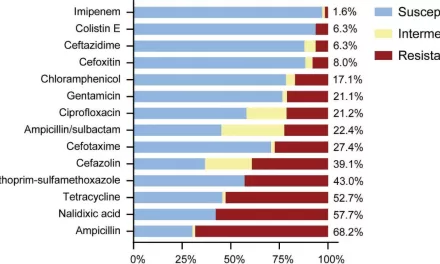
AMR—which occurs when bacteria mutate so that existing antibiotics can no longer kill them—represents one of the most severe long-term threats to regional health security. According to the WHO’s dedicated regional assessment, an estimated 5.2 million people in the Western Pacific Region are projected to die from drug-resistant bacterial infections between 2020 and 2030.
The economic and operational toll is immense. AMR is projected to cost the region US$148 billion over that same decade—climbing to nearly 10% of the region’s total health expenditure. Furthermore, patients fighting drug-resistant infections are projected to require an additional 172 million hospital bed days by 2030, threatening to crowd out routine medical care.
2. Climate-Driven Dengue Outbreaks
Concurrently, dengue fever continues to expand its geographical footprint. Globally, approximately four billion people across 130 countries are now at risk for Aedes-borne viral infections. In the Western Pacific, the viral burden is heavily concentrated, with the Philippines and Vietnam reporting the highest case volumes.
Public health data reveals a complex, delayed pattern: dengue outbreaks frequently spike weeks to months after major flooding events, as stagnant water creates ideal breeding grounds for mosquitoes, catching unprepared health systems off guard.
Mobilizing the “Pandemic Army”
To counter these vulnerabilities, the WHO is aggressively advancing a standardized regional defense through the Global Health Emergency Corps (GHEC). Backed by the Bill & Melinda Gates Foundation and the Institute of Philanthropy, the GHEC strategy sets a definitive benchmark: ensuring that 10% of the health workforce in every nation is fully organized, trained, and digitally linked to respond to emergencies by 2030.
The initiative, conceptually modeled around the idea of a global “pandemic army,” is designed to build national public health sovereignty rather than reliance on external aid.
[Local Field Epidemiologists & Clinicians]
                 │
                 ▼ (Standardized GHEC Training)
[Interoperable National Surge Teams]
                 │
                 ▼ (Regional Network Integration)
[Unified Asia-Pacific Emergency Response]
“Scaling up emergency workforce readiness is no longer optional,” emphasized Dr. Gina Samaan, Regional Emergency Director for WHO in the Western Pacific. “It is the definitive factor that will determine how effectively the Asia-Pacific region safeguards health and protects lives in an increasingly unpredictable future.”
Strategic Action Items for Member States
The WHO outlined six priority recommendations that nations must integrate into their domestic healthcare policies to bridge existing gaps:
-
Standardize Medical Training: Embed emergency preparedness directly into academic curricula to ensure response teams can work seamlessly across borders.
-
Formalize Coordination: Replace ad-hoc crisis task forces with permanent, frequently tested standard operating procedures.
-
Secure Flexible Financing: Establish dedicated funding streams that can be unlocked instantly for anticipatory actions before a disaster strikes.
-
Equip Primary Care: Integrate emergency management directly into local clinics, transforming everyday doctors and nurses into the first line of defense.
-
Include Vulnerable Communities: Build explicit pathways for at-risk populations to participate directly in disaster planning.
-
Sync Risk Communication: Align public health warnings with seasonal climate and environmental calendars.
Counterarguments and Systemic Challenges
While the WHO’s framework has garnered widespread praise, independent health policy experts urge caution regarding its implementation. Some analysts point out that focusing heavily on personnel targets like the “10% workforce rule” could inadvertently distract from deeper, systemic bottlenecks. A highly trained medical workforce cannot function effectively if it lacks stable electricity, robust medical supply chains, or personal protective equipment during a crisis.
Additionally, critics note that the long-term viability of the GHEC relies heavily on philanthropic seeding and voluntary domestic funding commitments. Given the vast economic disparities among the 49 countries in the Asia-Pacific region, poorer nations may struggle to maintain these intensive training standards without sustained, long-term international subsidies.
Looking Ahead
The foundational pieces are already present: the region possesses dedicated clinicians, advanced laboratory networks, and resilient community volunteers. Since the start of 2025, the WHO has assisted regional nations in managing 72 acute health emergencies.
However, transforming these fragmented regional assets into an interconnected, rapidly deployable network remains the critical hurdle. The success of this workforce transformation will ultimately dictate whether the Asia-Pacific region can withstand the compounding health threats of the coming decade.
Medical Disclaimer
Medical Disclaimer: This article is for informational purposes only and should not be considered medical advice. Always consult with qualified healthcare professionals before making any health-related decisions or changes to your treatment plan. The information presented here is based on current research and expert opinions, which may evolve as new evidence emerges.
References
-
World Health Organization Western Pacific Region. “WHO urges targeted action to strengthen emergency workforce capacities for shared health risks across the Asia-Pacific region.” WHO News, June 11, 2026.