 0
0
 0
0
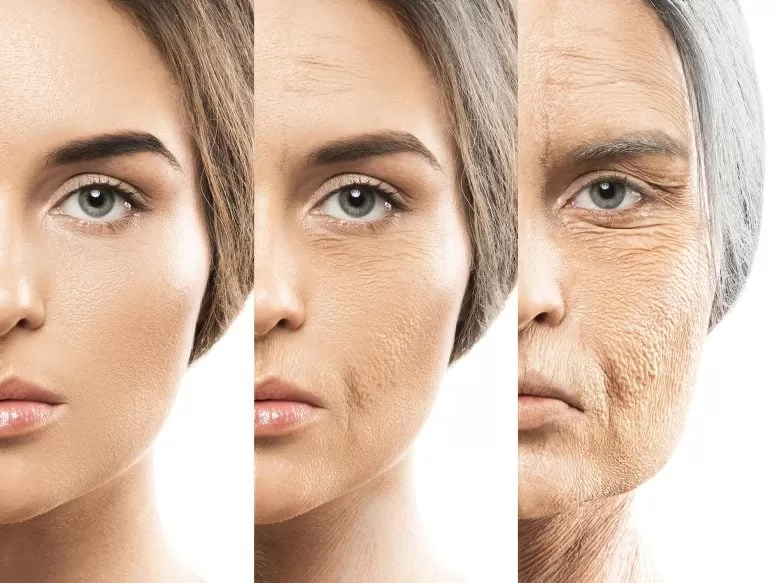
NEW YORK — A growing body of research suggests that the way we think about getting older may actually dictate how fast our cells age. A groundbreaking study from the New York University (NYU) School of Global Public Health has revealed a startling connection: women who experience high levels of anxiety about aging—specifically regarding health decline—show signs of accelerated biological aging at a molecular level.
The study, published in the journal Psychoneuroendocrinology, analyzed data from over 4,000 women across the United States. It found that those preoccupied with the “what-ifs” of future illness and physical frailty weren’t just experiencing mental distress; their bodies were physically “speeding up” their internal clocks. These findings suggest that gerascophobia (the fear of aging) may be a significant, yet overlooked, public health factor in the longevity of women.
Key Findings: The “Pace” of Aging
Led by researcher Mariana Rodrigues, a PhD student at NYU, the team utilized a sophisticated epigenetic tool known as the DunedinPACE clock. Unlike chronological age—the number of candles on your birthday cake—an epigenetic clock measures the speed at which your body is deteriorating at the cellular level by examining chemical tags on your DNA.
The researchers categorized aging anxiety into several domains:
-
Health decline: Fear of losing physical or mental independence.
-
Social/Attractiveness: Worries about changes in appearance.
-
Fertility: Concerns regarding the end of reproductive years.
While worries about looks or fertility showed no significant link to biological speed, anxiety regarding health decline was a potent predictor of faster aging. Even after researchers adjusted for lifestyle factors like smoking, Body Mass Index (BMI), and socioeconomic status, the link remained.
“Our research suggests that subjective experiences may be driving objective measures of aging,” Rodrigues stated in a press release. “Aging-related anxiety is not merely a psychological concern, but may leave a mark on the body with real health consequences.”
The Biology of Worry
How can a thought accelerate a cell? Scientists point to a “biopsychosocial” pathway. When we experience chronic anxiety, our bodies enter a state of “high alert,” activating the Hypothalamic-Pituitary-Adrenal (HPA) axis.
This activation floods the system with stress hormones like cortisol. Over time, chronic elevation of these hormones can lead to:
-
Systemic Inflammation: A state often called “inflammaging.”
-
Oxidative Stress: Damage to cells caused by unstable molecules.
-
Telomere Erosion: The shortening of the protective caps on our chromosomes.
This builds upon landmark research from 2004, led by Nobel laureate Dr. Elizabeth Blackburn. Her work demonstrated that mothers under chronic stress had telomeres so short they were equivalent to an additional 10 years of biological aging. “Chronic psychological stress… may damp down telomerase and have a significant impact on the length of telomeres,” Dr. Blackburn noted in previous findings that echo the current NYU study.
Expert Perspectives: Why Mindset Matters
While not directly involved in the NYU study, Dr. Nir Barzilai, a prominent geriatrician and director of the Institute for Aging Research at Albert Einstein College of Medicine, has long advocated for the power of the “pro-aging” mindset.
“Mindset matters; positive aging views extend healthspan,” Dr. Barzilai commented. He suggests that those who view aging as a period of wisdom and growth rather than purely a period of loss tend to engage in better self-care and have more resilient biological profiles.
Psychologists note that midlife women are particularly vulnerable to these anxieties. Often referred to as the “sandwich generation,” many are simultaneously managing demanding careers, raising children, and witnessing the health declines of their own aging parents. This firsthand exposure to the realities of illness can create a feedback loop of fear.
Public Health Implications
The implications of this study are vast. If anxiety is a driver of biological decline, then mental health support must be treated as a core pillar of “anti-aging” medicine, right alongside nutrition and exercise.
A Shift in Preventative Care
-
Routine Screening: Experts suggest that primary care physicians should include aging anxiety screenings during routine checkups for midlife women.
-
Integrated Interventions: Public health programs, such as India’s Ayushman Bharat or global longevity initiatives, could incorporate “Positive Aging” workshops to help citizens reframe their transition into older age.
-
Economic Impact: With the global population over 60 projected to double by 2050, reducing anxiety-driven biological decline could significantly lower the healthcare costs associated with age-related diseases like diabetes and heart disease.
Limitations and the “Chicken or Egg” Problem
As with any observational study, there are caveats. Critics and researchers alike note that this study shows correlation, not necessarily causation.
It is possible that women with “faster” biological clocks are sensing subtle, early-stage health changes that haven’t been clinically diagnosed yet, which in turn causes their anxiety. In this scenario, the anxiety is a symptom of aging, not the cause.
Furthermore, the study relied on self-reported anxiety, which can be subjective. Because the study focused exclusively on women, it is unclear if men experience a similar biological “penalty” for aging fears, or if their anxieties manifest in different physiological ways.
Looking Ahead: Reframing the Narrative
The emerging field of psychobiological aging is proving that our emotions are more than just “in our heads.” They are systemic.
Future research is expected to look into whether interventions like Cognitive Behavioral Therapy (CBT) or mindfulness-based stress reduction (MBSR) can actually slow down the DunedinPACE clock. For now, the takeaway for the average reader is clear: managing your fear of the future is a vital part of protecting your health in the present.
Focusing on controllable factors—staying socially connected, finding purpose in daily activities, and challenging negative stereotypes about aging—may be the most effective “supplement” one can take.
Reference Section
Medical Disclaimer: This article is for informational purposes only and should not be considered medical advice. Always consult with qualified healthcare professionals before making any health-related decisions or changes to your treatment plan. The information presented here is based on current research and expert opinions, which may evolve as new evidence emerges.