0
0
 0
0
Read Time:1 Minute, 49 Second
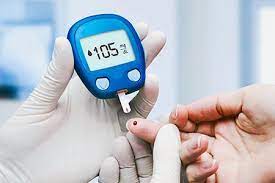
A recent study published in Clinical Diabetes indicates that Intra-articular corticosteroid (IACS) injections, commonly used for arthritis treatment, present a minimal risk of accelerating diabetes for most patients. While these injections are known to cause temporary elevations in blood glucose levels, the study suggests that they have limited long-term impact on glycemic control.
Methodology:
- Nearly half of Americans with diabetes also have arthritis, raising concerns about glycemic control for those receiving IACS injections.
- Researchers from Mayo Clinic in Minnesota conducted a retrospective cohort study, utilizing electronic health records from 1169 adults who had received IACS injections in a large joint between 2012 and 2018.
- The study analyzed A1C levels 18 months before and after the injections.
- The team assessed participants for greater-than-expected increases in A1C (defined as an increase of more than 0.5% above expected) after the injection, and examined rates of diabetic ketoacidosis and hyperosmolar hyperglycemic syndrome in the 30 days following the injection.
Key Findings:
- Nearly 16% of individuals experienced a greater-than-expected increase in A1C after an IACS injection.
- A1C levels rose by an average of 1.2% in the greater-than-expected group, while decreasing by an average of 0.2% in the average group.
- One patient experienced severe hyperglycemia linked to the injection.
- A baseline A1C level above 8% was the only factor associated with a greater-than-expected increase in the marker after an IACS injection.
Clinical Implications:
- The study suggests that while most patients do not experience a significant increase in A1C after IACS injections, clinicians should counsel patients with suboptimally controlled diabetes about potential risks of further hyperglycemia following these injections.
Source: The study was led by Terin T. Sytsma, MD, of Mayo Clinic in Rochester, Minnesota.
Limitations:
- The retrospective nature of the study limits its ability to establish causation.
- The population studied was from one county in Minnesota and lacked racial or ethnic diversity.
- Details about the injections, such as location and total dose, were not available.
- The study did not include a control group.
Disclosures: The study was funded by Mayo Clinic and the National Center for Advancing Translational Sciences, with no relevant disclosures reported by the authors.


Happy
0 %

Sad
0 %

Excited
0 %

Sleepy
0 %

Angry
0 %

Surprise
0 %