 0
0
 0
0
CLEVELAND — A groundbreaking study utilizing data from more than 1,100 midlife women suggests that menopause is as much a metabolic transition as it is a hormonal one. Published May 6, 2026, in Menopause, the peer-reviewed journal of The Menopause Society, the research reveals that women with abdominal obesity experience a significantly higher prevalence and greater severity of debilitating menopause symptoms, including hot flashes, night sweats, sleep disruptions, and joint pain. By mapping these symptoms as an interconnected web rather than isolated complaints, researchers discovered that central belly fat fundamentally alters and intensifies the entire menopausal symptom experience.
Unveiling the Menopausal Symptom Network
Historically, clinical research has evaluated menopause symptoms—such as vasomotor symptoms (hot flashes and night sweats), mood changes, and insomnia—as separate, distinct issues. However, this new study utilized an advanced methodology known as network analysis to examine how these symptoms connect with and fuel one another.
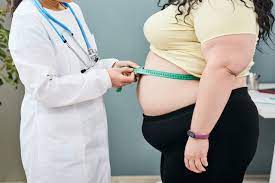
The research team evaluated data from 1,101 participants enrolled in the landmark Study of Women’s Health Across the Nation (SWAN). To define abdominal obesity, researchers bypassed traditional, cumbersome body-composition tools in favor of a simpler, highly practical metric: the waist-to-height ratio (WHtR).
The findings revealed a stark contrast between the two groups:
-
Altered Network Dynamics: Women with WHtR-defined abdominal obesity exhibited a vastly different, more densely connected symptom network.
-
Increased Severity: Hot flashes, night sweats, dizziness, sleep disturbances, and heart palpitations were notably more frequent and severe in the abdominal obesity group.
-
Central Catalysts: In the abdominal obesity network, sleep problems and vasomotor symptoms acted as central hubs, meaning they were highly likely to trigger or worsen other adjacent symptoms like irritability and forgetfulness.
Why Visceral Fat Dictates Symptom Burden
To understand why midsection weight gain influences menopausal distress, it helps to examine the biology of female fat distribution.
During the reproductive years, estrogen directs excess fat storage primarily toward the hips and thighs (subcutaneous fat). However, as estrogen levels drop sharply during the menopause transition, the body undergoes a profound metabolic shift, redirecting fat storage toward the abdomen. This results in an accumulation of visceral fat—the deep, metabolically active fat that wraps around vital internal organs.
According to independent data from organizations like the Mayo Clinic, abdominal obesity is estimated to affect more than 60% of menopausal women.
“Visceral fat isn’t just passive energy storage; it functions like an active endocrine organ,” explains Dr. Helen Vance, an endocrinologist specializing in midlife women’s health at the Midwest Women’s Clinic, who was not involved in the study. “It secretes pro-inflammatory proteins called cytokines and alters hormone metabolism. This systemic inflammation can hyper-sensitize the central nervous system, effectively turning up the thermostat on hot flashes and disrupting sleep pathways.”
Furthermore, this accumulation of deep belly fat is closely tied to heightened cardiometabolic risks, including insulin resistance, type 2 diabetes, high blood pressure, and cardiovascular disease. The study highlights that the very same fat driving long-term health risks is also driving daily physical discomfort.
What This Means for Routine Medical Care
For health-conscious consumers and healthcare providers alike, the most immediate takeaway is that scale weight doesn’t tell the whole story. A woman can maintain a stable weight on the scale while undergoing a significant shift in body composition, losing lean muscle mass while accumulating dangerous abdominal fat.
Because the study validated the use of the waist-to-height ratio, clinicians have a swift, non-invasive tool for routine checkups. Proponents suggest that measuring a patient’s waist circumference and comparing it to their height could help doctors flag women who are at a higher risk for a heavier symptom burden and proactive metabolic decline.
Expert Perspectives: A Multifactorial Transition
Public health resources emphasize that while hormonal shifts play a starring role in midlife weight gain, they do not act alone. Natural aging, a declining resting metabolic rate, chronic stress, and lifestyle shifts all contribute to the changing midsection.
In a statement regarding the study, Dr. Monica Christmas, Associate Medical Director for The Menopause Society, noted that unintended weight gain during the menopause transition is one of the most common and distressing complaints among patients, frequently spiking in the years immediately preceding and following the final menstrual period. Dr. Christmas emphasized that early education regarding healthy lifestyle interventions can profoundly improve both mental and physical well-being during this phase.
Outside experts agree that addressing this issue requires a holistic approach. Guidelines from Harvard Health Publishing and the Mayo Clinic reiterate that while the belly-fat shift is biologically driven, it can be mitigated. Regular strength training to combat age-related muscle loss, targeted cardiovascular exercise, and mindful nutritional choices remain the cornerstones of effective midlife weight management.
Limitations of the Research
While the study provides compelling insights, independent researchers urge a cautious interpretation of the data:
-
Correlation, Not Causation: Because the study was observational, it cannot definitively prove that abdominal obesity causes worse symptoms. It is entirely possible that the relationship is bi-directional; for example, severe sleep disturbances and high stress levels elevate cortisol, which directly promotes abdominal fat storage.
-
Novel Methodology: Network analysis is relatively new to the field of menopause research. While it excels at revealing complex patterns, these findings must be replicated in diverse, longitudinal studies that follow the same women over several years.
-
Demographic Variations: Menopause experiences, symptom reporting, and fat distribution patterns can vary widely across different socioeconomic, ethnic, and geographic populations.
The Public Health Takeaway: Moving Past Stigma
The overarching message from major medical institutions is practical rather than alarming: midlife abdominal fat is not merely a cosmetic issue or a personal failure. It is a biological reality of the menopausal transition that impacts immediate quality of life and long-term cardiometabolic health.
Importantly, public health advocates emphasize that midriff weight gain should not be stigmatized. Instead, a simple waist-to-height measurement should serve as an empowering, objective conversation starter between a woman and her doctor. By treating menopause as a comprehensive metabolic pivot, healthcare providers can design more effective, holistic treatment plans—combining symptom management, targeted physical activity, and metabolic support—to help women navigate midlife with vitality and confidence.
References
- https://www.medscape.com/viewarticle/menopause-symptoms-worse-women-abdominal-obesity-2026a1000fsy
Medical Disclaimer: This article is for informational purposes only and should not be considered medical advice. Always consult with qualified healthcare professionals before making any health-related decisions or changes to your treatment plan. The information presented here is based on current research and expert opinions, which may evolve as new evidence emerges.