 0
0
 0
0
April 4, 2026
For decades, chlorhexidine has been the gold standard of hospital hygiene. From the orange-tinted scrubs used before surgery to the daily wipes provided to patients in intensive care, this powerful antiseptic is a primary line of defense against life-threatening healthcare-associated infections (HAIs).
However, a groundbreaking study from Northwestern University, published on April 2, 2026, in Environmental Science & Technology, suggests that this essential tool may have a hidden footprint. Researchers discovered that chlorhexidine lingers on hospital surfaces far longer than previously thought, leaving behind “sub-lethal” residues. These microscopic leftovers aren’t strong enough to kill bacteria, but they are just enough to “train” them, fostering a dangerous new generation of disinfectant-tolerant microbes.
Tracking the “Ghost” of Disinfectants
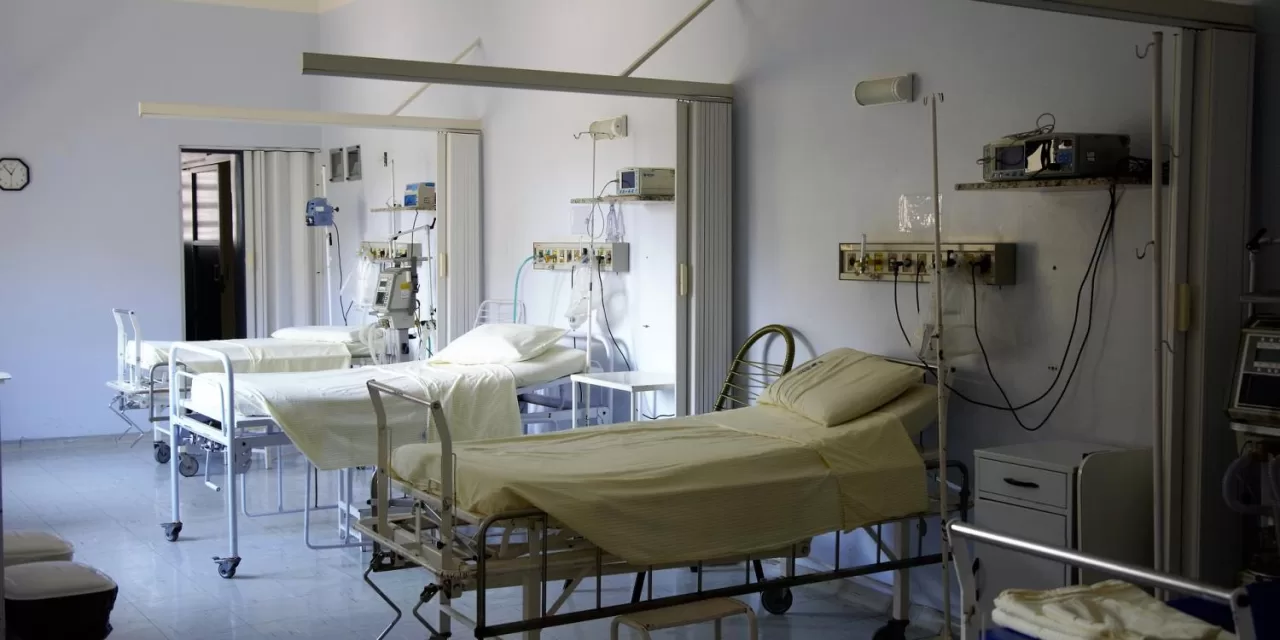
The research team, led by Erica M. Hartmann, an associate professor and indoor microbiologist at Northwestern, sought to understand why certain bacteria persist in clinical environments despite rigorous cleaning. The team combined controlled laboratory simulations with “real-world” environmental sampling within a medical intensive care unit (MICU).
In the lab, researchers applied chlorhexidine to common hospital materials, including stainless steel, laminate, and plastic. Even after wiping the surfaces with standard cleaning agents, chlorhexidine residue remained for more than 24 hours.
“Microbes and chemicals do not stay where we put them,” Hartmann noted in a press release. “We found that the levels of residue remaining on surfaces were high enough to influence the way microbes evolve, but too low to actually eliminate them.”
Findings from the Front Lines
When the team moved their investigation into the MICU, the scale of the issue became clear. They swabbed nearly 200 sites—ranging from high-touch areas like bed rails and keyboards to “hidden” spots like doorsills and sink drains. Of the 1,400 bacterial isolates collected:
-
36% showed tolerance to chlorhexidine, meaning they could survive concentrations that would typically neutralize them.
-
Sink drains emerged as major “hotspots,” harboring biofilms (complex colonies of bacteria) that were resistant to significantly higher doses of the antiseptic.
-
Aerosol spread was detected on rarely touched doorsills, suggesting that bacteria are hitching rides on dust particles and shed skin cells to travel through the air.
This discovery challenges the long-held assumption that disinfectants vanish or remain localized after application. Instead, they appear to create an unintended “selection pressure” throughout the hospital environment.
The Evolution of Tolerance: A Growing Concern
While the medical community has long sounded the alarm on antibiotic resistance, “disinfectant tolerance” is a more subtle, yet equally concerning, phenomenon. When bacteria are exposed to low levels of an antiseptic, they can activate stress-response genes or develop “efflux pumps”—mechanisms that literally pump the toxin out of the bacterial cell.
Dr. David J. Weber, an infectious disease expert at the University of North Carolina (UNC) who was not involved in the study, explains that this mirrors the pathways of antibiotic resistance.
“Sub-lethal exposures can select for tolerance,” Dr. Weber says. “If a bacterium becomes hardy enough to survive our primary disinfectants, we risk losing one of our most effective shields against hospital outbreaks.”
Public Health and the Global AMR Crisis
The implications for public health are significant. Antimicrobial resistance (AMR) is already a global emergency, contributing to an estimated 1.27 million deaths annually, according to the World Health Organization (WHO). If hospital environments—the very places meant to heal the vulnerable—become reservoirs for tolerant bacteria, the difficulty of treating HAIs could skyrocket.
The study particularly highlights the danger of hospital sinks. When water runs into a contaminated drain, it can create fine mists (aerosols) that carry tolerant bacteria back into the air and onto the hands of healthcare workers or the skin of patients.
Balancing Safety: Should Hospitals Stop Using Chlorhexidine?
The short answer is no. Experts are quick to point out that chlorhexidine remains a life-saving tool. It is remarkably effective at preventing bloodstream infections and surgical site complications.
“Chlorhexidine is well-regulated and crucial for high-risk patients,” Hartmann emphasized. The goal of the research is not to eliminate its use, but to refine how we manage the environment it leaves behind.
For hospitals, this may mean:
-
Targeted Sink Maintenance: Moving beyond simple surface wiping to using biofilm-disrupting technologies in drains.
-
Airflow Assessments: Ensuring ventilation systems are optimized to reduce the spread of particles carrying resistant microbes.
-
Residue Testing: Implementing protocols to verify that surfaces are truly “clean” and free of sub-lethal chemical films.
What This Means for You
For the general public, the “take-home” message is one of moderation. While hospitals are high-stakes environments that require heavy-duty antiseptics, our homes generally do not.
Hartmann advises that for most people, plain soap and water are more than sufficient for daily hygiene. Overusing antibacterial cleaners or personal care products containing chlorhexidine (like certain mouthwashes or soaps) in a non-clinical setting may unnecessarily contribute to the spread of tolerant bacteria.
“We rarely need to disinfect non-clinical spaces to the degree we do a surgical suite,” Hartmann says. “Stewardship applies to disinfectants just as much as it does to antibiotics.”
Limitations of the Study
While the findings are a wake-up call, researchers noted several limitations. The study focused on a single MICU, meaning the results might vary in different hospital layouts or geographical locations. Furthermore, the researchers isolated “tolerance” (the ability to survive higher doses), but they have not yet definitively linked this tolerance to a simultaneous increase in resistance to life-saving antibiotics, though other studies suggest a potential “cross-resistance” link.
The Path Forward
As we move toward a future of “precision medicine,” we must also move toward “precision cleaning.” By understanding the lifecycle of our disinfectants—where they go and how long they stay—healthcare facilities can better protect the patients who need them most.
Medical Disclaimer: This article is for informational purposes only and should not be considered medical advice. Always consult with qualified healthcare professionals before making any health-related decisions or changes to your treatment plan. The information presented here is based on current research and expert opinions, which may evolve as new evidence emerges.
References
- https://medicalxpress.com/news/2026-04-disinfectants-microbes-hospital-rooms.html