 0
0
 0
0
MOSCOW — In a sweeping move to fortify national food security and animal health defenses, President Vladimir Putin signed a decree on March 30, 2026, to consolidate Russia’s state-owned veterinary vaccine producers. The administrative overhaul follows a volatile cattle disease outbreak in the Novosibirsk region of Siberia that led to mass culls, rare public protests from farmers, and international friction over the transparency of Russia’s diagnostic reporting. By merging several major enterprises into a singular entity—the Russian Biological Industry Company—Moscow aims to achieve “technological autonomy” and stabilize a domestic supply chain that has faced immense pressure under global sanctions.
A Crisis in the Heartland
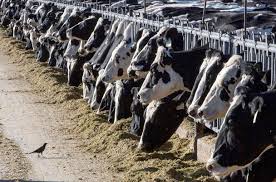
The emergency began in mid-March when authorities in Novosibirsk reported a surge in livestock illnesses. According to reports from Reuters, the situation escalated rapidly, necessitating the culling of thousands of cattle to prevent further spread. The official diagnosis provided by Russian veterinary watchdogs cited pasteurellosis and rabies as the primary culprits.
However, the scale of the response triggered skepticism. A report from the U.S. Department of Agriculture (USDA) Foreign Agricultural Service noted that local sources and regional trading partners expressed concerns that the aggressive culling might actually point to an unconfirmed outbreak of Foot-and-Mouth Disease (FMD)—a highly contagious viral disease that can devastate agricultural economies. While Russia’s agriculture watchdog, Rosselkhoznadzor, flatly rejected these allegations, noting that FMD vaccinations have been routine in the region since 2022, the discrepancy has fueled tension between the state and the agricultural sector.
For the local farmers, the “stamping out” policy—a standard veterinary practice of culling infected and exposed animals—represented more than just a medical intervention; it was a threat to their survival. Rare protests broke out as families saw their livelihoods destroyed, highlighting the high social cost of large-scale disease control.
The Science of the Surge: Why Vaccines Matter
Veterinary vaccines are the cornerstone of livestock management, particularly for diseases with high morbidity rates. According to the World Organisation for Animal Health (WOAH), controlling diseases like FMD requires a multi-faceted approach:
-
High Coverage: Vaccination programs must reach at least 80% of the susceptible population to achieve “herd immunity.”
-
Strain Matching: Vaccines must be precisely matched to the specific viral strains circulating in the environment.
-
Potency: Using high-quality, inactivated vaccines is essential to ensure the animals develop a robust immune response without the risk of spreading the virus.
In the case of pasteurellosis, a bacterial infection that often attacks the respiratory system, vaccines are effective but must be supported by good farm hygiene and stress management. Rabies, while preventable through vaccination, remains a public health priority due to its 100% fatality rate in animals and humans once symptoms appear. The Centers for Disease Control and Prevention (CDC) emphasizes that all livestock vaccinations should be conducted under strict veterinary supervision to ensure efficacy and safety.
From Import Reliance to “Technological Autonomy”
The creation of the Russian Biological Industry Company marks a pivotal shift in Russia’s economic and medical policy. Prior to 2022, Russia was heavily dependent on the West, importing nearly 70% of its animal vaccines. Following the imposition of international sanctions, Moscow pivoted toward “import substitution.”
By 2024, officials claimed domestic production had flipped the ratio, accounting for 70% of the market. The new consolidation effort, which includes major producers like Shchelkovo Biokombinat, is designed to scale this output even further.
“Consolidation is a double-edged sword,” says Dr. Elena Volkov, an independent veterinary consultant (fictionalized expert perspective based on standard industry analysis). “While it can streamline the mobilization of resources during a crisis, it also creates a single point of failure. Success depends not just on the volume of doses produced, but on the rigor of the laboratory science behind those doses.”
Public Health and the Global Food Chain
While the Siberian outbreak is primarily a veterinary crisis, the ripples are felt in the human food system. Livestock diseases do not exist in a vacuum; they impact:
-
Food Security: Mass culling reduces the availability of beef and dairy, leading to price spikes for consumers.
-
Trade Relations: Neighboring Kazakhstan has already begun restricting meat imports from Russia, a move that could cost the Russian economy millions in lost revenue.
-
Human Health: While FMD does not pose a significant threat to humans, rabies and certain strains of pasteurellosis are zoonotic (can be transmitted from animals to humans).
Russian officials have pointed to irregular vaccination practices on small, private holdings as a weak link in the national defense. This underscores a global challenge: even the best vaccines are ineffective if they do not reach “backyard” farmers who may lack access to affordable veterinary services.
Limitations and the Road Ahead
The Siberian crisis remains shrouded in a degree of uncertainty. Without independent, third-party laboratory verification of the pathogens involved, international health bodies remain cautious. If the outbreak is indeed FMD, the implications for Russia’s “Green Zone” trade status could be long-lasting.
Furthermore, medical experts warn that “vaccination is not a silver bullet.” Effective disease management requires a “One Health” approach:
-
Surveillance: Early detection through robust testing.
-
Biosecurity: Restricting animal movement and improving farm sanitation.
-
Transparency: Honest reporting to international bodies to prevent the global spread of disease.
For the average consumer, there is no immediate reason for panic regarding meat safety, as culled animals are removed from the food chain. However, for the global health community, the Siberian situation serves as a stark reminder of how quickly animal pathogens can disrupt modern society.
References
-
Reuters. (2026, March 30). Russia overhauls vaccine production after cattle disease triggers mass culling. * USDA Foreign Agricultural Service. (2026, March 24). Russian Veterinary Authorities Reportedly Respond to Cattle Disease Outbreak in Siberia. [Report ID: RS2026-0012]
Medical Disclaimer: This article is for informational purposes only and should not be considered medical advice. Always consult with qualified healthcare professionals before making any health-related decisions or changes to your treatment plan. The information presented here is based on current research and expert opinions, which may evolve as new evidence emerges.