 0
0
 0
0
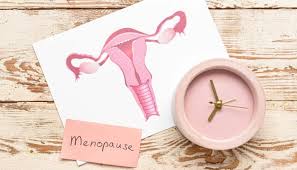
A groundbreaking scientific review reveals that the trauma of violence against women does not just leave emotional scars—it may fundamentally alter a woman’s biological clock. Researchers from the University of Granada have found that women exposed to violence may reach menopause approximately 20 months earlier than those without a history of abuse.
The comprehensive review, published on July 5, 2026, in the medical journal Maturitas, synthesizes years of clinical evidence looking at how intimate partner violence and trauma impact reproductive aging. Beyond shifting the timeline of menopause, the data reveals a troubling trend: survivors face significantly more severe menopausal symptoms, including intense hot flashes, profound sleep disruption, severe anxiety, depression, vaginal dryness, and painful intercourse.
By framing violence against women not merely as a social safety crisis but as a critical chronic health determinant, the study underscores a massive public health vulnerability. It suggests that decades after trauma occurs, the physiological ripples continue to impact midlife health and quality of life.
Inside the Biological Data: How Trauma Accelerates Aging
To understand the connection, researchers pointed to a foundational study included in the review. In that cohort, women with a history of partner violence reached menopause nearly two years ahead of their peers. Strikingly, 20.7% of the violence-exposed women developed premature ovarian insufficiency—a medical condition where the ovaries stop functioning normally before the age of 40.
While the exact mechanics are still being mapped, scientists point to a well-known culprit: chronic, toxic stress.
[Trauma / Chronic Abuse]
       │
       ▼
[Disruption of the HPA Axis] (Stress Response System)
       │
       ▼
[Systemic Inflammation & Epigenetic Changes]
       │
       ▼
[Accelerated Ovarian Aging & Severe Menopause Symptoms]
When a person experiences prolonged trauma, the body’s stress-response system—specifically the hypothalamic-pituitary-adrenal (HPA) axis—becomes chronically dysregulated. This constant “fight or flight” state triggers systemic inflammatory changes and subtle alterations in how genes are expressed (epigenetic effects). Over time, this biological wear-and-tear wears down ovarian reserves, bringing an early end to a woman’s reproductive years.
Medical experts emphasize that violence does not directly “cause” menopause overnight. Rather, repeated trauma alters hormone regulation and compromises overall physiological resilience, leaving the body vulnerable to accelerated aging.
The Compounding Risks to Public Health
The timing of menopause is more than just a milestone; it is a major health indicator. Ovarian aging shifts a woman’s metabolic profile. Because estrogen provides protective benefits for the heart and bones, losing it earlier elevates long-term risks for several serious conditions.
According to the review, women exposed to violence face heightened rates of midlife and late-life health issues, including:
-
Hypertension (high blood pressure)
-
Type 2 diabetes and metabolic syndrome
-
Osteoporosis and severe bone fractures
-
Cognitive difficulties, including memory and attention deficits
Compounding this problem is a diagnostic challenge known as symptom overlap. Many symptoms of post-traumatic stress disorder (PTSD)—such as insomnia, chronic body aches, and severe anxiety—mirror classic menopausal complaints.
When a survivor visits a clinic complaining of poor sleep or high anxiety, a physician might naturally attribute it solely to hormonal fluctuations. Without knowing the patient’s history, the doctor may miss the underlying trauma driving the distress, leading to incomplete or ineffective treatment plans.
Independent Experts Call for “Trauma-Informed Care”
The findings align closely with a broader body of independent medical research. A large-scale study conducted by the Kaiser Permanente Division of Research and published in JAMA Internal Medicine previously confirmed that emotional intimate partner violence increases the odds of night sweats, insomnia, and painful sex. That study also established that women exhibiting PTSD symptoms carry an even heavier overall symptom burden during midlife.
Dra. Lucía Mendoza, one of the lead authors from the University of Granada, argues that these intersections necessitate a total overhaul of how menopause clinics operate. The authors advocate for the widespread adoption of trauma-informed care.
This clinical framework prioritizes patient privacy, implements sensitive and proactive screening for histories of abuse, and establishes direct, interdisciplinary referral pathways. Under this model, a menopause evaluation does not just end with a hormone prescription; it integrates gynecology, mental health services, and pelvic floor physical therapy into a unified network.
Study Limitations: A Need for Caution
While the review presents a compelling case, independent epidemiologists urge a balanced interpretation of the specific numbers.
The underlying study that established the “20 months earlier” figure was cross-sectional and featured a small sample size, analyzing 29 postmenopausal survivors of partner violence against 89 control subjects. Because cross-sectional studies capture a single snapshot in time, they can demonstrate a strong link (association) between variables, but they cannot definitively prove a direct cause-and-effect relationship.
Furthermore, because this paper is a narrative review rather than a new clinical trial, its ultimate strength relies on the quality of the past studies it synthesized. Public health experts note that the “20-month” timeline should be viewed as a serious research estimate rather than an absolute rule that applies uniformly to every individual survivor. Larger, long-term (longitudinal) studies tracking diverse populations over decades are still required to determine how different types, durations, and timings of violence impact the body.
Practical Takeaways for Patients and Providers
For health-conscious consumers and survivors, the primary takeaway is empowerment through information. If you have a history of chronic stress or abuse, sharing that context with a trusted healthcare provider can be incredibly valuable when managing hot flashes, mood changes, or sleep issues. Understanding that your past experiences can shape your present physiology can help customize your care.
For healthcare professionals, the review serves as a reminder to look beyond the charts. Incorporating gentle, routine screenings about safety and trauma can prevent misdiagnoses, improve patient trust, and ensure that midlife women receive the holistic care they truly need.
Reference Section
Study Citations
- https://medicalxpress.com/news/2026-07-violence-menopause-months-earlier.html
Medical Disclaimer: This article is for informational purposes only and should not be considered medical advice. Always consult with qualified healthcare professionals before making any health-related decisions or changes to your treatment plan. The information presented here is based on current research and expert opinions, which may evolve as new evidence emerges.