 0
0
 0
0
KINSHASA, DEMOCRATIC REPUBLIC OF THE CONGO — The World Health Organization (WHO) issued a stark warning this week, confirming that the active Ebola outbreak in the Democratic Republic of the Congo (DRC) continues to widen. According to the latest figures released on July 7, 2026, health authorities have recorded 1,561 confirmed cases and 506 deaths, underscoring the massive scale of the crisis. Global health officials emphasize that transmission has not yet stabilized, fueled primarily by high population mobility, fragile local infrastructure, and persistent regional insecurity.
Dr. Anne Ancia, the WHO Representative to the DRC, stated that the outbreak remains firmly within its “expansion phase.” The announcement serves as a critical marker for international health agencies working to contain the virus before it secures a deeper foothold in neighboring East African nations.
High Bed Occupancy and Border Crossings Hamper Containment
A central challenge in curbing the spread is the sheer speed at which individuals move across borders and between rural hubs before receiving a formal diagnosis. Some local Ebola treatment centers are already reaching their limits, with occupancy levels hovering around 90%. When treatment facilities face near-saturation, isolating new patients rapidly becomes exponentially harder.
The statistical trajectory highlights an aggressive upward trend. Just days prior, on July 2, WHO surveillance data reported 1,460 confirmed cases and 452 deaths. Over the subsequent five days, the death toll jumped by 54, while new infections climbed by 101. Over the last two weeks of June, the region averaged 38 new confirmed cases per day. This steady influx of patients indicates sustained, active community transmission rather than a plateau or decelerating trend.
The outbreak, which began in early May 2026 in the Ituri Province of eastern Congo, escalated rapidly enough that the WHO declared it a Public Health Emergency of International Concern (PHEIC) on May 16, 2026. This designation followed the identification of imported infections leaking across the border into neighboring Uganda.
The Challenge of a Rarer Strain: No Licensed Vaccine
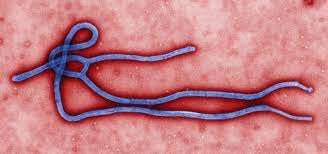
Unlike the more common Zaire ebolavirus strain—which was successfully targeted by vaccines during previous West African and Congolese outbreaks—the current crisis is driven by the Bundibugyo ebolavirus species.
Bundibugyo is a rarer variant of the virus, and there is currently no licensed, commercially available vaccine or specific therapeutic cure tailored to it. This lack of a specialized medical defense significantly elevates the logistical burden on front-line responders.
Ebola Strains & Responses (2026 Context)
-----------------------------------------------------------
Zaire Strain:      Licensed Vaccines Exist (e.g., Ervebo)
Bundibugyo Strain: No Licensed Vaccine; Supportive Care &
                   New Clinical Trials Only
-----------------------------------------------------------
In remote and conflict-affected sectors of the DRC, public health workers face severe structural bottlenecks. Weak transport links delay the delivery of laboratory samples, gaps in basic hospital infection control persist, and contact tracing is easily disrupted when families relocate to escape regional violence. Because tracking down every person exposed to an active case is so difficult under these conditions, experts fear the official tallies may lag behind the true extent of community transmission.
Expert Perspectives: The Race Against Time
Independent public health experts stress that without an immediate, off-the-shelf vaccine weapon, traditional epidemiological containment must be executed flawlessly.
In a June 30, 2026, editorial indexed in PubMed, medical researchers noted that while vaccine development efforts for the Bundibugyo strain are rapidly accelerating behind the scenes, the immediate response must rely strictly on core public health pillars: strict isolation, meticulous contact tracing, guaranteed safe and dignified burials, and early supportive medical care.
WHO leadership previously characterized the national risk within the DRC as “very high,” though they assessed the global risk as remaining “low.” This distinction signals that while international panic is unwarranted, intense, coordinated regional containment is absolutely vital to protect Central and East Africa.
Clarifying the Risk: What This Means for the Public
For health-conscious consumers and international travelers, understanding how Ebola spreads is key to avoiding unnecessary anxiety while maintaining proper vigilance.
How Transmission Occurs: Ebola is not an airborne virus. It does not spread through casual conversation, breathing the same air, or simply walking past an infected person in an ordinary daily setting. Instead, it requires direct contact with the bodily fluids (such as blood, vomit, or sweat) of a person who is actively sick or has died from the disease, or contact with heavily contaminated materials like shared bedding or needles.
Because of this specific transmission pathway, health agencies like the European Commission have assessed the current risk to populations in Europe and North America as very low. However, they continue to urge preparedness and heightened surveillance at international points of entry, as modern global travel means a symptomatic individual could theoretically board a flight before being flagged.
Clinical Breakthrough: A Treatment Trial Begins
Amid the challenging epidemiological data, a significant scientific milestone emerged this month. The WHO confirmed that a clinical treatment trial specifically targeting the Bundibugyo Ebola strain commenced in the DRC on July 2, 2026, with the first patient enrolled the same day.
While the launch of this trial is a monumental step forward for clinical research, health officials caution that it does not provide an immediate fix. It will take time to gather sufficient data to prove whether any of the candidate therapies can safely and effectively lower the mortality rate. For the time being, the bedrock of medical intervention remains early supportive care—such as intravenous hydration, electrolyte stabilization, and symptom management—which significantly improves a patient’s chances of survival if administered early in the course of the illness.
Essential Guidance for Communities and Health Workers
For individuals living in or traveling near the affected border regions of the DRC and Uganda, public health authorities advise strict adherence to preventative habits:
-
Symptom Awareness: Anyone experiencing a sudden onset of fever, severe weakness, muscle pain, vomiting, diarrhea, or unexplained bleeding should seek medical evaluation immediately.
-
Avoid Contact: Avoid direct exposure to the bodily fluids of anyone showing signs of illness, and do not participate in traditional burial practices that involve touching a deceased person’s body without trained healthcare oversight.
-
Clinical Protocol: For healthcare workers everywhere, the outbreak serves as a reminder to maintain rigorous triage protocols and proper use of Personal Protective Equipment (PPE), as clinics and hospitals can easily amplify transmission if standard infection-control measures break down.
For the general public outside the affected African regions, the most effective response is to stay informed through verified, evidence-based updates from recognized authorities like the WHO and local ministries of health, actively disregarding unverified rumors on social media.
References
-
Reuters. “Ebola outbreak in Congo still in ‘expansion phase’, WHO says,” Kinshasa Bureau, July 7, 2026. (Citing 1,561 confirmed cases, 506 deaths, and interviews with WHO Representative Dr. Anne Ancia).
Medical Disclaimer: This article is for informational purposes only and should not be considered medical advice. Always consult with qualified healthcare professionals before making any health-related decisions or changes to your treatment plan. The information presented here is based on current research and expert opinions, which may evolve as new evidence emerges.