 0
0
 0
0
MUMBAI — Strand Life Sciences, a subsidiary of Reliance Industries, has been granted an Indian patent for a blood-based platform that analyzes cell-free DNA (cfDNA) to detect cancer early and predict its tissue of origin, the company announced on July 7, 2026. The proprietary system combines advanced genome sequencing, methylation, and fragmentomic features with machine-learning algorithms. This technological milestone follows the company’s previous public launch of its related “CancerSpot” screening program, positioning the platform as a candidate for large-scale, minimally invasive early cancer detection.
While the patent marks a significant intellectual property achievement for the Indian biotechnology sector, oncology experts emphasize that technical patents represent the beginning, rather than the end, of the rigorous clinical validation required for widespread public adoption.
The Technology: Decoding Genetic Footprints
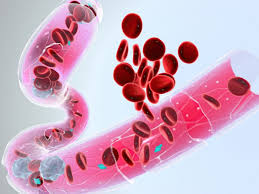
The newly patented technology focuses on an integrated cfDNA analysis system. When cells—including cancer cells—die, they release tiny fragments of DNA into the bloodstream, known as cell-free DNA.
To isolate these faint signals, Strand’s platform utilizes a multi-layered approach:
-
High-Quality Sequencing & Quality Control: Isolating and sequencing the minute amounts of cfDNA present in a standard blood draw.
-
Methylation Profiling: Analyzing chemical changes (methyl groups) that modify DNA expression without altering the underlying genetic sequence. Cancer cells exhibit distinct methylation patterns.
-
Fragmentomics: Examining the specific lengths and breakage patterns of the circulating DNA fragments, which vary between healthy and malignant cells.
-
Machine-Learning Models: Processing these complex datasets to identify abnormal cancer signals and infer where in the body the tumor is located.
According to company statements, the innovation significantly improves the capture of cancer-associated methylation patterns while reducing sample failure and data loss. Strand argues that minimizing this data loss increases the test’s sensitivity, making it more capable of identifying malignancy at its earliest stages.
The “Footprint” Analogy
Think of detecting cfDNA methylation like searching for a faint pattern of footprints in a muddy field. Strand’s sequencing and computational methods attempt to clear away the mud and amplify those tracks (the methylation and fragment size signals). The machine-learning models then attempt to match those footprints to a specific culprit (the tissue of origin). Improving sample capture simply makes those footprints sharper and easier to read—but the identity of the traveler must still be verified through standard medical investigations.
Public Health Potential and the Scalability Argument
From a public health perspective, early detection remains one of the most effective strategies for improving cancer survival rates and expanding treatment options. A reliable multi-cancer early detection (MCED) tool capable of flagging multiple malignancies from a single, routine blood draw could fundamentally transform oncology, particularly in low-resource or geographically remote settings where traditional diagnostic imaging and invasive biopsies are unavailable.
Strand Life Sciences emphasizes the scalability of its platform. Company announcements highlight that because global genome sequencing costs continue to fall, this platform could theoretically be deployed widely across existing laboratory frameworks without requiring massive new infrastructure investments from healthcare systems.
Balancing the Hope: Limitations and the Need for Clinical Validation
Despite the promise of liquid biopsies, independent medical experts urge a cautious, evidence-based interpretation of patent announcements. A patent grant establishes intellectual property protection for a specific technical method; it does not equate to regulatory approval, nor does it serve as a substitute for peer-reviewed clinical trial data.
Public records from the patent announcement do not provide specific, peer-reviewed sensitivity (the ability to correctly identify those with cancer) or specificity (the ability to correctly identify those without cancer) figures across diverse patient cohorts.
The Trade-offs of Mass Screening
International experience with cfDNA screening platforms reveals several persistent challenges:
-
Stage Heterogeneity: Most liquid biopsies demonstrate high detection accuracy for advanced (Stage III and IV) cancers but show significantly lower sensitivity for localized, early-stage (Stage I) malignancies—the very stage where screening is most beneficial.
-
The Risk of Overdiagnosis: Highly sensitive tests may detect indolent, slow-growing abnormalities that might never cause harm during a patient’s lifetime, leading to unnecessary anxiety and overtreatment.
-
False Positives and Negatives: A false positive can trigger expensive, invasive, and anxiety-inducing follow-up diagnostic procedures (such as full-body scans or biopsies). Conversely, a false negative can provide false reassurance, potentially delaying care if a patient ignores physical symptoms.
Independent Expert Perspectives
Oncologists and screening experts not involved in the development of the platform advocate for a stepwise, transparent evaluation process. While acknowledging that training machine-learning assays on local, region-specific cohorts can optimize performance for specific populations, they maintain that external validation remains mandatory.
“Before any liquid biopsy platform can be integrated into routine public health screening, developers must publish transparent validation data in peer-reviewed journals,” notes the consensus among independent screening experts. “Prospective clinical trials in large, asymptomatic populations are essential to prove the clinical utility of the test—meaning, proving that the test actually reduces cancer mortality without causing net harm.”
Furthermore, any future rollout requires meticulously defined clinical pathways. Health systems must establish clear protocols determining who is eligible for the test, how positive screens are communicated, and what specific confirmatory diagnostic steps must follow an abnormal blood result.
Practical Implications for Clinicians and Consumers
For Consumers and Patients
This patent signifies meaningful technological progress toward non-invasive cancer diagnostics, but it is not a current substitute for established, time-tested cancer screening modalities. Individuals should continue to undergo proven screenings—such as screening mammography, cervical pap smears, and colonoscopies—as recommended by their healthcare providers. Furthermore, a negative liquid biopsy result should never be used to ignore new or unexplained physical symptoms.
For Clinicians and Health Systems
New liquid-biopsy options represent promising supplementary tools for the future. However, clinical adoption should await robust, prospective clinical validation, formal regulatory reviews from authorities, and structured integration guidelines to manage post-test diagnostics and patient care pathways seamlessly.
References
-
Media Report: The Hindu. “Reliance’s Strand Life Sciences gets patent for blood-based early cancer detection.” Published July 7, 2026.
Medical Disclaimer: This article is for informational purposes only and should not be considered medical advice. Always consult with qualified healthcare professionals before making any health-related decisions or changes to your treatment plan. The information presented here is based on current research and expert opinions, which may evolve as new evidence emerges.