 0
0
 0
0
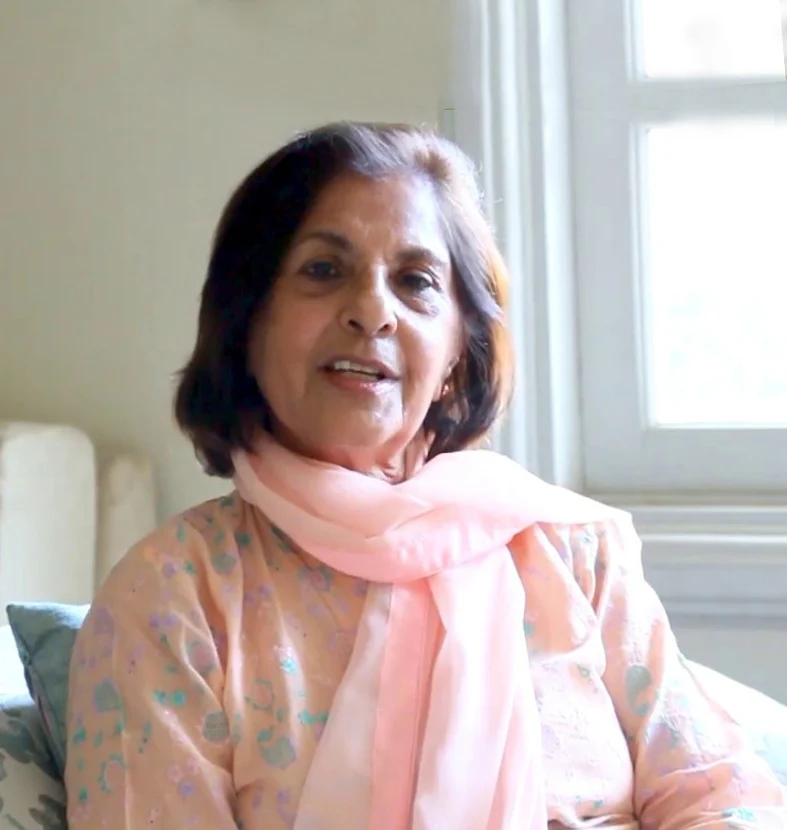
KARACHI, PAKISTAN — The global medical and public health communities are mourning the loss of Dr. Naseem Salahuddin, one of South Asia’s most distinguished infectious disease specialists, who passed away unexpectedly on Friday, May 22, 2026. As a Professor Emeritus at the Indus Hospital & Health Network (IHHN) and a vital advisor to the World Health Organization (WHO), Dr. Salahuddin dedicated her decades-long career to treating neglected diseases, mentoring generations of physicians, and pioneering community-based health models. Her death marks the end of an era for infectious disease management in developing countries, yet her groundbreaking “One Health” initiatives leave a lasting template for global pandemic preparedness and zoonotic disease control.
Pioneering the “One Health” Approach
Dr. Salahuddin’s most enduring scientific contribution is her implementation of the “One Health” framework, an approach that recognizes that the health of people is closely connected to the health of animals and our shared environment. While Western institutions frequently debate the theory of One Health, Dr. Salahuddin applied it on the ground in Pakistan, a nation heavily burdened by preventable zoonotic infections—diseases that spread between animals and humans.
Her crowning achievement was the Rabies Free Pakistan (RFP) initiative, launched through the Indus Hospital & Health Network. Rabies is a terrifying, 100% fatal viral disease once symptoms appear, yet it is completely preventable. Historically, municipalities in developing regions managed stray dog populations through culling, a method that international health agencies have proven ineffective at controlling virus transmission.
Traditional Culling Model (Ineffective)
   ↳ Dog populations bounce back quickly; virus transmission remains high.

Dr. Salahuddin's One Health Model (Successful)
   ↳ Mass Dog Vaccination + Humane Sterilization + Public Education
Dr. Salahuddin pivoted the national strategy entirely toward humane population management and mass dog vaccination. Under her leadership, the RFP initiative vaccinated tens of thousands of street dogs and introduced the Catch-Neuter-Vaccinate-Release (CNVR) methodology to Karachi.
According to data published by the WHO, vaccinating 70% of the dog population in an endemic area is sufficient to create “herd immunity” among animals, effectively breaking the cycle of transmission to humans. Dr. Salahuddin’s model proved that community engagement and veterinary collaboration could drastically drop human rabies deaths in low-resource urban settings.
A Champion for the Disadvantaged
Beyond her veterinary and environmental interventions, Dr. Salahuddin was a clinical titan in the fields of tuberculosis (TB) and Human Immunodeficiency Virus (HIV). Pakistan ranks among the top countries globally for high burdens of drug-resistant tuberculosis, a form of the disease where standard antibiotics fail because the bacteria have mutated to survive them.
At IHHN, she established patient-centered treatment protocols for multidrug-resistant TB (MDR-TB). Recognizing that medical therapy alone fails if patients cannot afford the journey to the clinic, her programs integrated nutritional support, psychological counseling, and localized treatment centers.
“She understood that infectious diseases are fundamentally diseases of poverty,” says Dr. Asma Khan, an infectious disease specialist based in Islamabad, who was not involved in Dr. Salahuddin’s research but closely followed her career. “You cannot cure a patient of drug-resistant tuberculosis if they are malnourished or forced to choose between buying medicine and buying food for their family. Dr. Salahuddin treated the whole person, not just the pathogen.”
Her work extended deeply into international policy. She served on the WHO’s Strategic and Technical Advisory Group for Neglected Tropical Diseases (STAG-NTD) and the Expert Advisory Panel on Rabies, ensuring that the realities of underfunded healthcare systems in the Global South directly informed global guidelines.
The Challenges and Limitations of Field-Based Medicine
Despite the undeniable successes of the Rabies Free Pakistan initiative, scaling up such programs presents significant public health hurdles. Public health experts point out that while localized One Health pilots achieve remarkable results, maintaining long-term funding and government integration remains a major challenge.
-
Sustained Funding: Mass vaccination campaigns require continuous financial backing to cover new litters of street animals.
-
Institutional Skepticism: Traditional civic authorities often default to culling during high-profile rabies outbreaks due to public panic, disrupting the ecological balance created by vaccination programs.
-
Economic Variables: Economic instability and shifting political priorities can abruptly cut off supply lines for vaccines and diagnostic kits.
Dr. Salahuddin frequently addressed these limitations in medical forums, advocating that true sustainability requires institutionalizing health programs within local government budgets rather than relying solely on hospital networks or philanthropic grants.
A Legacy Written in Healing and Words
Dr. Salahuddin’s influence reached far beyond her scientific journals. To generations of medical students, she was a maternal figure who insisted on absolute integrity and clinical humility. She believed that healthcare is a fundamental human right and taught her students to treat the most marginalized individuals with the exact same dignity as wealthy private patients.
She was also a woman of profound culture. Alongside her husband, Dr. Iftikhar Salahuddin, she co-authored historical narratives and explored the human condition through literature. Her book, Among my own, The Untold Stories of my People, captured the quiet resilience of the communities she served, proving that her clinical gaze was always coupled with a deeply poetic soul.
Dr. Salahuddin is survived by her husband, children, and grandchildren. Her death leaves a massive vacancy in global health infrastructure, but the frameworks she built will continue to protect millions of lives. In an era where humanity faces rising threats from emerging zoonotic diseases, her life’s work serves as a brilliant roadmap, showing that the path to saving human lives often begins with showing compassion to the world around us.
Reference Section
- https://www.who.int/news/item/24-05-2026-in-memory-of-dr-naseem-salahuddin
Medical Disclaimer: This article is for informational purposes only and should not be considered medical advice. Always consult with qualified healthcare professionals before making any health-related decisions or changes to your treatment plan. The information presented here is based on current research and expert opinions, which may evolve as new evidence emerges.