 0
0
 0
0
NEW DELHI — India is closely watching a new Ebola outbreak in Central Africa, with the Union Ministry of Health and Family Welfare intensifying surveillance and airport screening as a “measure of abundant caution,” even though no confirmed Ebola cases have been reported in the country so far. The decision follows the World Health Organization (WHO) declaration of a Public Health Emergency of International Concern (PHEIC) over an Ebola disease outbreak caused by the Bundibugyo virus strain in the Democratic Republic of the Congo (DRC) and Uganda.
While public health officials emphasize there is no immediate cause for panic, the government’s proactive stance aims to establish a robust safety net against potential cross-border transmission.
What is Happening in Africa?
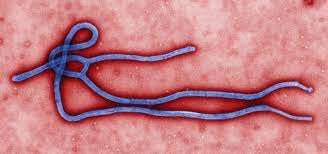
The current outbreak involves the Bundibugyo species of Ebola virus (BDBV), which is one of several Ebola virus species that can cause severe viral hemorrhagic fever in humans. As of late May 2026, health authorities in the DRC and Uganda have reported over 1,000 suspected cases and more than a hundred confirmed deaths. The strongest transmission has been documented in the conflict-prone Ituri, North Kivu, and South Kivu provinces of the DRC, alongside a small number of imported cases in neighboring Uganda.
The WHO has characterized the situation as an “extraordinary” event because it affects a volatile region with high population mobility, weak health infrastructure, and prior experience with large Ebola epidemics.
The Therapeutic Challenge: Unlike the more familiar Zaire-type Ebola, for which several highly effective vaccines exist, there is currently no widely approved vaccine or specific antiviral treatment for Bundibugyo-type Ebola. This makes outbreak control heavily dependent on early detection, rapid isolation, strict infection-prevention measures, and safe burial practices.
India’s Current Ebola Situation
Public health officials in India have repeatedly clarified that no confirmed cases of Ebola virus disease have been detected in India to date.
Last week, however, strict adherence to protocol made headlines when an international traveler recently returning from Uganda reported mild body aches. The individual was placed under isolation at the State-run Epidemic Diseases Hospital in Bengaluru for observation and testing.
Officials emphasized that the individual was experiencing only mild symptoms and that clinical samples were immediately dispatched to the National Institute of Virology (NIV) in Pune, which serves as the country’s nodal reference laboratory for high-consequence pathogens. Initial reports from media and government sources indicate the patient’s test results were negative, and the person remained in stable condition before being discharged.
How India is Preparing
In response to the WHO emergency declaration, the Indian government has stepped up several public health measures to fortify its borders and medical infrastructure:
-
Expanded Surveillance at Entry Points: Screening and thermal monitoring have been intensified at major international airports, seaports, and land borders. Vigilance is exceptionally high for travelers arriving from or transiting through the DRC, Uganda, and South Sudan.
-
Updated Standard Operating Procedures (SOPs): The Ministry of Health, alongside agencies such as the National Centre for Disease Control (NCDC), the Integrated Disease Surveillance Programme (IDSP), and the Indian Council of Medical Research (ICMR), have comprehensively reviewed SOPs for case detection, isolation, contact tracing, and clinical management.
-
Laboratory Readiness: The NIV in Pune remains the primary diagnostic center for suspected Ebola samples, with additional high-containment laboratories being gradually integrated into the national network to scale up diagnostic capacity if required.
-
Isolation Infrastructure: Designated isolation and quarantine facilities at key international hubs and large tertiary hospitals have been audited and prepared to manage suspected cases securely.
Union Health Minister J. P. Nadda has publicly stated that India has not reported any case of Bundibugyo Ebola disease so far, but emphasized that the government is maintaining close coordination with the WHO and global partners to ensure absolute preparedness rather than waiting for a case to appear.
What Ebola Is and How It Spreads
Ebola virus disease (EVD) is a severe, often fatal illness affecting humans and other primates. Historical case-fatality rates in past outbreaks have ranged from roughly 30% to 90%, depending on the specific virus strain and the quality of supportive care available. The Bundibugyo-type Ebola has historically exhibited fatality rates of around 30% to 50% in previous outbreaks.
Transmission Mechanisms
It is critical for the public to understand that the virus is not airborne. It does not spread through casual contact, coughing, or sneezing across a room. Instead, it spreads through:
-
Direct contact with blood, secretions, organs, or other bodily fluids of infected, symptomatic people.
-
Direct contact with surfaces and materials (such as bedding or clothing) contaminated with these fluids.
-
Traditional funeral practices that involve washing or touching the bodies of individuals who have died of Ebola.
Symptoms and Treatment
Initial symptoms can be non-specific and easily confused with other tropical diseases like malaria or typhoid. They include a sudden onset of fever, intense weakness, muscle pain, headache, and a sore throat. This is typically followed by vomiting, diarrhea, abdominal pain, a rash, and, in severe cases, internal or external bleeding.
While there is no universally approved Bundibugyo-specific drug yet, clinical data shows that early diagnosis and aggressive supportive care—including intravenous fluids, electrolyte replenishment, blood pressure regulation, and the treatment of secondary complications—can significantly improve survival rates.
Why Travelers are the Main Concern
For countries like India, situated far from the outbreak zone, the primary risk pathway is international travelers returning from affected regions. The WHO currently advises against non-essential travel to the DRC, Uganda, and South Sudan during the outbreak, and India has issued corresponding travel advisories to its citizens.
At international airports, health officials utilize thermal scanners to identify individuals presenting with a fever and cross-reference their recent 21-day travel history.
“The risk to an Indian traveler or resident remains low if they avoid direct contact with sick people or bodies in outbreak areas,” explains Dr. Anuradha Kulkarni, a senior infectious-disease specialist not involved in the government review team. “However, heightened screening at airports buys time to detect and isolate any potential importation early, preventing community transmission before it can begin.”
Implications for the Indian Public
For the general public in India, the current situation translates into vigilance, not panic. No domestic transmission chains exist, and the nation’s existing health surveillance systems are designed to contain isolated imported cases effectively.
| Category | Public Health Guidance |
| Recent Travelers | Anyone returning from the DRC, Uganda, or South Sudan who develops a fever, body aches, vomiting, or diarrhea within 21 days of travel should immediately contact local health services or designated Ebola helplines instead of visiting crowded outpatient clinics. |
| General Citizens | Continue routine infection-prevention measures, including frequent hand hygiene with soap and water, which protects against a wide array of domestic and international infectious diseases. |
Limitations, Uncertainties, and Balanced Messaging
While India’s preparedness is robust, public health experts highlight several structural caveats. First, because the Bundibugyo strain currently lacks a dedicated commercial vaccine, controlling the African epicenter relies entirely on behavioral interventions and isolation, making containment slower and increasing the window of global risk. Second, the complex security and humanitarian situation in eastern DRC severely hampers contact tracing and safe burial practices, raising the likelihood of ongoing cross-border spillover within Africa.
Some public health commentators have also warned against the dangers of “infodemics.” Excessive media coverage or unverified social media posts can fuel xenophobic stigma against individuals from African nations or create unwarranted panic among local commuters. Health officials in India urge the public to rely strictly on official updates from the Ministry of Health, the WHO, and state health departments rather than sensationalized headlines.
What This Means for Your Daily Health Decisions
For the vast majority of Indian citizens who are not traveling to Central Africa, daily life and health behaviors remain entirely unchanged. The key practical takeaways include:
-
Be transparent: If you have a relevant travel history and feel unwell, disclose it to medical staff immediately.
-
Practice reliable hygiene: Maintain basic hand hygiene and avoid contact with the bodily fluids of anyone who is acutely ill.
-
Filter your information: Treat news about Ebola as a public health alert, not a personal threat. Panic reactions, such as hoarding unproven antiviral remedies or self-medicating, are unnecessary and potentially dangerous.
“The best way to protect yourself is to stay informed through official channels, avoid unnecessary travel to active outbreak zones, and trust that the system is designed to pick up any imported case quickly,” notes Dr. Rajesh Bhatia, an epidemiologist familiar with international Ebola preparedness exercises. “India’s health systems have been substantially strengthened by lessons learned from prior global health emergencies, and the current measures are a reflection of that institutional readiness.”
Medical Disclaimer
Medical Disclaimer: This article is for informational purposes only and should not be considered medical advice. Always consult with qualified healthcare professionals before making any health-related decisions or changes to your treatment plan. The information presented here is based on current research and expert opinions, which may evolve as new evidence emerges.
References
-
Economic Times. “Indian govt closely monitoring Ebola situation, no confirmed case yet.” 26 May 2026.