 0
0
 0
0
March 2, 2026
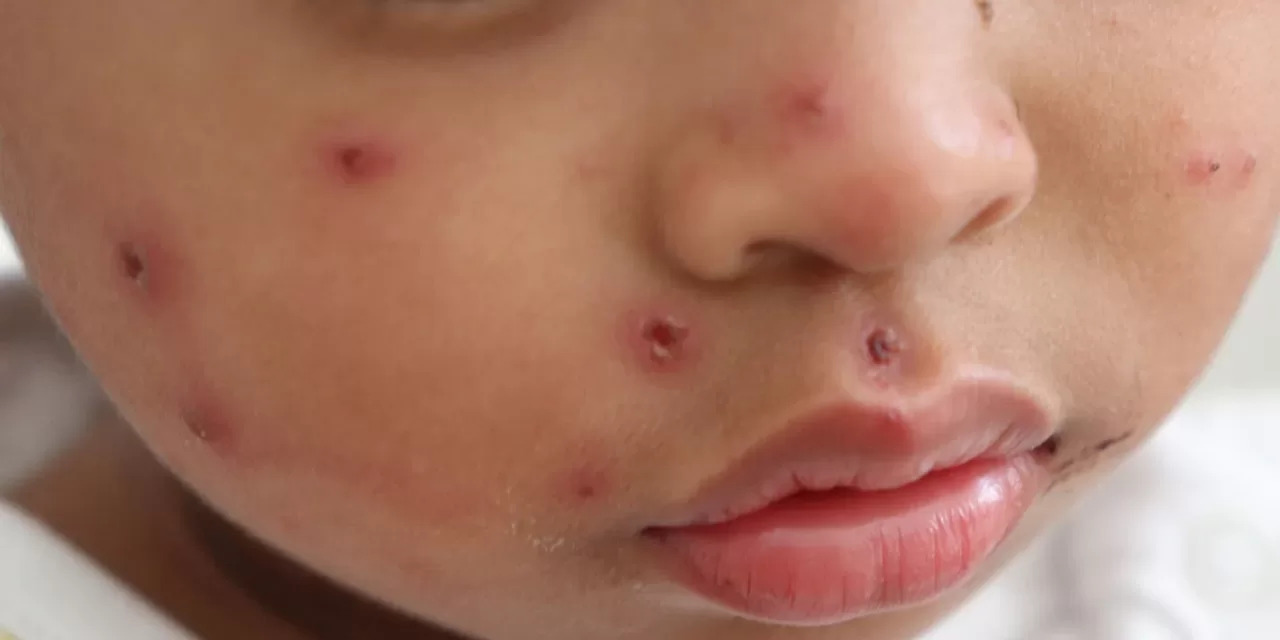
As the United States grapples with a surge in measles cases following the record-shattering outbreaks of 2025, public health officials are sounding the alarm on a consequence of the virus that is far more insidious than the trademark red rash or high fever. It is a phenomenon known as immune amnesia, and experts warn that it leaves nearly every unvaccinated child who contracts the virus internally defenseless against other diseases for years to follow.
While the acute phase of measles typically lasts two weeks, the biological “wipeout” it triggers can haunt a child’s health for up to five years. This “hidden threat” is forcing a re-evaluation of how both parents and clinicians view the risks of the most contagious vaccine-preventable disease on earth.
What is Immune Amnesia?
Immune amnesia is exactly what it sounds like: the immune system “forgets” how to fight off pathogens it has already defeated. Under normal circumstances, when a child is exposed to a cold, the flu, or a vaccine, their body creates memory B cells and T cells. These cells act as a biological library, storing the “blueprints” for antibodies that can quickly neutralize those specific threats if they return.
However, the measles virus is uniquely destructive. It seeks out a specific receptor called CD150, located directly on these precious memory cells. Once it latches on, the virus replicates within them and destroys them.
“The kids who had measles lost 11% to 73% of their whole immunological memory pool,” says Michael J. Mina, MD, PhD, an infectious disease expert and former assistant professor at Harvard Medical School, whose landmark research brought this phenomenon to light. “Overall, half of their total memory cells were gone.”
For a child who has spent years building up immunity to common daycare viruses or who has received standard childhood vaccinations, a single bout of measles can effectively “format the hard drive” of their immune protection.
The Historical “Ski Slope” of Mortality
The concept of immune amnesia isn’t entirely new, but its biological mechanism was only confirmed in the last decade. As far back as the 1700s, Scottish scientists noted that waves of other infectious deaths often followed measles outbreaks.
When the measles vaccine was introduced globally between the 1960s and 1980s, researchers noticed a puzzling but welcome trend: deaths from all infectious diseases plummeted, not just deaths from measles.
“Half of all childhood infectious-disease deaths were related to immune amnesia caused by measles,” Dr. Mina notes.
In a 2015 study published in Science, Mina’s team analyzed data from the US, Denmark, England, and Wales. The data resembled an Olympic downhill ski slope; following the introduction of the measles vaccine, there was a 50% reduction in deaths from unrelated infectious diseases. By preventing measles, the vaccine was inadvertently protecting children’s existing “libraries” of immunity to other killers like pneumonia and sepsis.
The Modern Risk: More Than Just a Rash
In 2026, with advanced pediatric intensive care, immune amnesia is less likely to be fatal in the US than it was in the 1950s. However, the burden on families remains significant.
An analysis of health records from 1990 to 2014 found that children who survived measles were significantly more vulnerable than their vaccinated peers:
-
43% more likely to catch another infectious illness in the month following recovery.
-
2.7 times more likely to be hospitalized.
-
10% to 15% higher risk of illness for up to five years post-infection.
“It’s the stuff kids are already susceptible to, such as colds, flu, RSV, COVID, and adenoviruses,” Dr. Mina explains. “When your child is getting three or four or five extra infections a year, it adds up.” This translates to more missed school, more parental time off work, and a higher frequency of antibiotic prescriptions.
New Research and Possible Interventions
The scientific community is racing to find ways to mitigate this damage. At Johns Hopkins University, researchers are investigating whether early antiviral intervention can stop the “memory wipe” before it starts.
In a 2025 lab study led by Andy K.P. Chan, an immunology researcher at Johns Hopkins, the antiviral drug remdesivir was found to reduce antibody loss in controlled settings. This suggests that if a child is diagnosed early enough, therapeutic intervention might decrease the subsequent years of susceptibility.
Meanwhile, in the Netherlands, researchers at Erasmus Medical Center are launching a three-year longitudinal study of 100 children to track exactly how the loss of memory cells correlates with real-world infections. “We plan to look at the loss of immunity to other pathogens,” says lead researcher Corine Geurts van Kessel, MD, PhD.
A Compelling Argument for Vaccination
Beyond immune amnesia, measles carries a heavy list of traditional risks:
-
Pneumonia: The most common cause of death from measles in children (1 in 20 cases).
-
Encephalitis: Brain swelling that can lead to permanent deafness or intellectual disability (1 in 1,000 cases).
-
SSPE: A rare but fatal neurological disorder that surfaces years after the initial infection.
“Parents should find comfort in the knowledge that vaccine safety science is robust,” says Patricia Stinchfield, CPNP, past president of the National Foundation for Infectious Diseases. “The best way to keep your child healthy and safe is to vaccinate.”
For healthcare providers, the message is clear: when discussing the MMR (Measles, Mumps, and Rubella) vaccine with hesitant parents, the conversation should extend beyond the immediate symptoms of measles.
“Discussing the ramifications is really important,” Dr. Mina emphasizes. “This isn’t just the measles. There’s more to it.”
References
- https://www.medscape.com/viewarticle/nearly-every-child-measles-suffers-this-hidden-threat-2026a100067a
Medical Disclaimer: This article is for informational purposes only and should not be considered medical advice. Always consult with qualified healthcare professionals before making any health-related decisions or changes to your treatment plan. The information presented here is based on current research and expert opinions, which may evolve as new evidence emerges.