 0
0
 0
0
CHICAGO — For millions of adults living with the dual challenges of obesity and type 2 diabetes (T2D), the quest for the most effective “heart-protective” intervention has long focused on two heavy hitters: metabolic surgery and the recent wave of blockbuster GLP-1 medications. Now, a comprehensive global meta-analysis reveals a clear frontrunner.
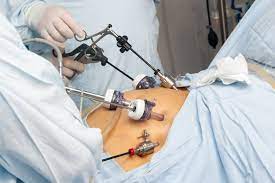
According to research published in Obesity Surgery, patients with obesity and T2D who underwent metabolic and bariatric surgery (MBS) saw their risk of major adverse cardiovascular events—including heart attack and stroke—plummet by 52% compared to those treated with GLP-1 receptor agonists like Ozempic or Victoza. While both treatments are hailed as revolutionary, the study suggests that for long-term heart protection, the scalpel may still hold an edge over the syringe.
The Heart of the Matter: A Global Comparison
The study, led by Dr. Joshua Chadwick of the ICMR-National Institute of Epidemiology, arrived at a critical time. As medications like semaglutide and liraglutide dominate headlines for their weight-loss prowess, many patients and clinicians have wondered if these “miracle drugs” could eventually replace the need for invasive surgery.
To find the answer, researchers analyzed data from 11 studies spanning seven countries, including the United States, China, and Sweden. The meta-analysis tracked 19,644 individuals, comparing those who underwent procedures such as Roux-en-Y gastric bypass or sleeve gastrectomy against those using GLP-1 therapies.
The results were consistent across borders:
-
-
Overall Risk Reduction: Surgery was associated with a 52% lower relative risk for major cardiovascular events (RR 0.48).
-
Geographic Peaks: The benefits were even more pronounced in certain regions. In the United States, the risk reduction reached 73%, while in Italy, it was as high as 92%.
-
Standard of Evidence: The benefit remained significant across both gold-standard randomized controlled trials and large-scale observational studies.Explore
-
Beyond Weight Loss: Why Surgery Wins on Heart Health
While GLP-1 medications effectively mimic hormones that regulate blood sugar and appetite, bariatric surgery induces profound, immediate changes in gut hormones and metabolism that go beyond simple weight loss.
“While both approaches offer substantial clinical benefit, metabolic and bariatric surgery provides more pronounced and durable risk reduction, particularly in those with longstanding diabetes and elevated cardiovascular risk,” the study authors noted.
For a patient with type 2 diabetes, the “major adverse cardiovascular events” (MACE) mentioned in the study aren’t just statistics—they represent life-altering events:
-
Myocardial Infarction (Heart Attack)
-
Stroke
-
Ischemic Heart Disease
-
Coronary Revascularization (procedures like stenting or bypass surgery)
By significantly reducing the occurrence of these events, surgery isn’t just lowering a number on a scale; it is fundamentally altering the trajectory of a patient’s life expectancy.
Expert Perspectives: The Clinical Trade-Off
Medical professionals not involved in the study suggest that while the data favors surgery for heart protection, the choice remains highly individualized.
“This data reinforces that surgery remains the ‘gold standard’ for metabolic ‘resetting,'” says Dr. Elena Rossi, a cardiologist specializing in metabolic health (not affiliated with the study). “However, we have to balance that 52% risk reduction against the realities of surgery. An operation carries perioperative risks—anesthesia, infection, and long-term nutritional deficiencies—that a weekly injection does not.”
Indeed, the study authors were careful to note that the superior heart protection of surgery comes “at the expense of greater perioperative and nutritional risk.” For many patients, the “best” treatment is the one they are most likely to adhere to and the one their body can most safely tolerate.
The Evolving Landscape of Obesity Care
The rise of GLP-1s has shifted the public perception of obesity from a “lifestyle choice” to a chronic biological disease. This study adds a layer of nuance to that shift, suggesting that the most aggressive biological intervention (surgery) yields the most aggressive results for the heart.
Who stands to benefit most from surgery?
Based on the meta-analysis, the greatest cardiovascular benefits were seen in:
-
Patients with longstanding type 2 diabetes.
-
Individuals with a high baseline risk for heart disease.
-
Those who require significant metabolic remodeling that medication alone may not achieve.
The “Combo” Future?
Some clinicians are already looking toward a middle ground. “It’s not necessarily an ‘either-or’ world anymore,” suggests Dr. Rossi. “We are seeing more cases where GLP-1s are used to help a patient lose enough weight to make surgery safer, or used post-surgery to maintain those cardiovascular gains.”
Limitations and Looking Ahead
While the findings are compelling, the researchers highlighted several “fine print” items. Most of the included studies were observational, which means they can show a strong link but cannot definitively prove surgery caused the better outcomes in every case. There is also the “healthy user bias,” where patients who choose surgery might be more motivated to follow strict health regimens afterward.
Furthermore, the GLP-1 landscape is moving fast. Many of the patients in the older studies were on first-generation GLP-1s. Newer, more potent “twincretins” (medications that target two or three hormones instead of one) may close the gap between medication and surgery in future trials.
The Bottom Line for Patients
If you are living with obesity and type 2 diabetes, this research suggests that the conversation with your doctor about bariatric surgery should not be dismissed just because new medications are available. While surgery is a major life decision with inherent risks, its ability to shield the heart from the complications of diabetes remains, for now, unparalleled.
Reference Section
- https://www.medscape.com/viewarticle/bariatric-surgery-beats-glp-1s-heart-protection-t2d-2026a100069q
Medical Disclaimer: This article is for informational purposes only and should not be considered medical advice. Always consult with qualified healthcare professionals before making any health-related decisions or changes to your treatment plan. The information presented here is based on current research and expert opinions, which may evolve as new evidence emerges.