 0
0
 0
0
Published: May 9, 2026
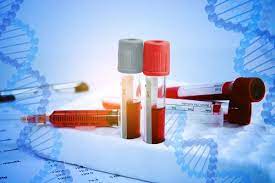
LONDON — Researchers have unveiled a groundbreaking diagnostic tool that can predict whether a patient will recover from an illness or spiral into a medical emergency using just a single blood draw. The study, led by Imperial College London and published this week in Nature Communications, introduces a method called VeloCD. By analyzing dynamic RNA markers, the test provides a “weather forecast” for a patient’s health, potentially allowing doctors to intervene days before symptoms turn critical.
A Shift from Diagnosis to Prediction
For decades, blood tests have acted as a snapshot of the present: they tell a doctor if an infection is currently in the body or if an organ is currently struggling. However, they rarely reveal what will happen next.
The VeloCD (Velocity-based Clinical Diagnostics) approach changes the timeline. Published on May 5, 2026, the study demonstrates how measuring the “velocity” of gene expression can reveal the direction of a disease. Whether it is a child with a mysterious fever or an adult exposed to a respiratory virus, VeloCD aims to tell clinicians not just what the patient has, but where they are headed.
How the “Snapshot” Becomes a “Movie”
When the body fights a disease, genes are constantly being “transcribed” into RNA. Traditionally, scientists looked at the total amount of RNA to understand a person’s health. VeloCD, however, uses a technique originally developed for single-cell biology known as RNA velocity.
“Our approach uses cutting-edge methods to provide a glimpse into a patient’s future, based on how their body is responding to illness at that moment in time,” said Dr. Claire Dunican, lead author and bioinformatician at Imperial’s Department of Infectious Disease.
Think of it like a highway speed camera. A standard blood test tells you the car is at Mile Marker 50. VeloCD tells you the car is at Mile Marker 50, traveling at 80 miles per hour, and accelerating. This “vector” allows doctors to see the momentum of the illness.
Proving the Concept: From ERs to Pandemics
The research team validated VeloCD across several high-stakes medical scenarios, proving its versatility in both acute and chronic settings.
1. Pediatric Triage
In the EU-funded PERFORM study, researchers analyzed blood from nearly 400 children hospitalized with fevers across nine European countries. Using a specific signature of 59 RNA markers, VeloCD accurately predicted which children would develop severe illness and require intensive care, versus those who would experience a mild course.
2. Early Viral Detection
In human challenge trials for Influenza A and SARS-CoV-2, VeloCD analyzed blood samples taken just two days after exposure—well before symptoms appeared or standard PCR tests turned positive. The test successfully predicted which participants would go on to develop a full infection.
3. Chronic Disease Management
The applications extend beyond infections. The study found VeloCD could forecast complications in patients with HIV and Tuberculosis (TB). Perhaps most significantly for long-term care, it predicted how patients with Inflammatory Bowel Disease (IBD) would respond to a specific treatment after receiving just a single dose.
Expert Perspectives: A New Era of Precision Medicine
The medical community is cautiously optimistic about the shift toward “transcriptomics”—the study of the full range of RNA molecules in a cell.
Professor Aubrey Cunnington, senior author and Head of Infectious Disease at Imperial College London, believes the clinical impact could be transformative. “We think this type of test could be hugely beneficial… helping to triage patients much faster, getting the right treatment to the right patient at the right time,” Cunnington stated.
Dr. Myrsini Kaforou, Associate Professor in Bioinformatics at Imperial, added that the tool allows clinicians to “get ahead of disease” rather than reacting to it after deterioration has already begun.
However, outside experts urge patience. Dr. Jane Smith, a pediatric infectious disease specialist at Johns Hopkins University (not involved in the study), noted the logistical hurdles ahead. “This is a remarkable proof-of-concept for precision medicine,” Dr. Smith commented. “However, real-world validation in diverse populations—including different ethnicities and age groups—is crucial before this can become a routine part of a doctor’s toolkit.”
Public Health and the “Five-Year Horizon”
If successfully cleared for clinical use, VeloCD could alleviate the burden on overwhelmed healthcare systems. According to the World Health Organization (WHO), infectious diseases claim roughly 17 million lives annually. In many cases, deaths occur because patients are not triaged quickly enough or receive “trial-and-error” treatments that fail to work.
Potential Benefits for Consumers:
-
Reduced “Wait and See”: Parents of children with fevers may get definitive answers about severity sooner.
-
Antibiotic Stewardship: By accurately identifying viral trajectories, doctors can avoid prescribing unnecessary antibiotics.
-
Personalized Chronic Care: Patients with IBD or autoimmune conditions can switch from ineffective treatments faster, saving time and reducing side effects.
Limitations and Challenges
Despite the breakthrough, VeloCD is not yet ready for your local clinic. Current limitations include:
-
Infrastructure: Whole-blood RNA sequencing currently requires specialized laboratory equipment and high-level bioinformatics.
-
Linearity Assumptions: The model assumes certain disease paths are linear; critics argue that some biological responses may follow more complex, unpredictable patterns.
-
Cost: The study did not address the price point of such a sophisticated test, which could limit its use in low-resource settings.
The Road Ahead
The Imperial College London team has patented the method and released the code on GitHub to encourage global collaboration. Researchers estimate that with focused development and further clinical trials, a simplified version of the test could be available within the next five years.
For now, the study serves as a powerful reminder that the secrets to our future health may already be circulating in our veins—we just needed a better way to read them.
Reference Section
- https://health.economictimes.indiatimes.com/news/diagnostics/study-describes-blood-test-that-might-reveal-ones-illness-trajectory-response-to-treatment/130940623?utm_source=latest_news&utm_medium=homepage
Medical Disclaimer: This article is for informational purposes only and should not be considered medical advice. Always consult with qualified healthcare professionals before making any health-related decisions or changes to your treatment plan. The information presented here is based on current research and expert opinions, which may evolve as new evidence emerges.