 0
0
 0
0
April 18, 2026
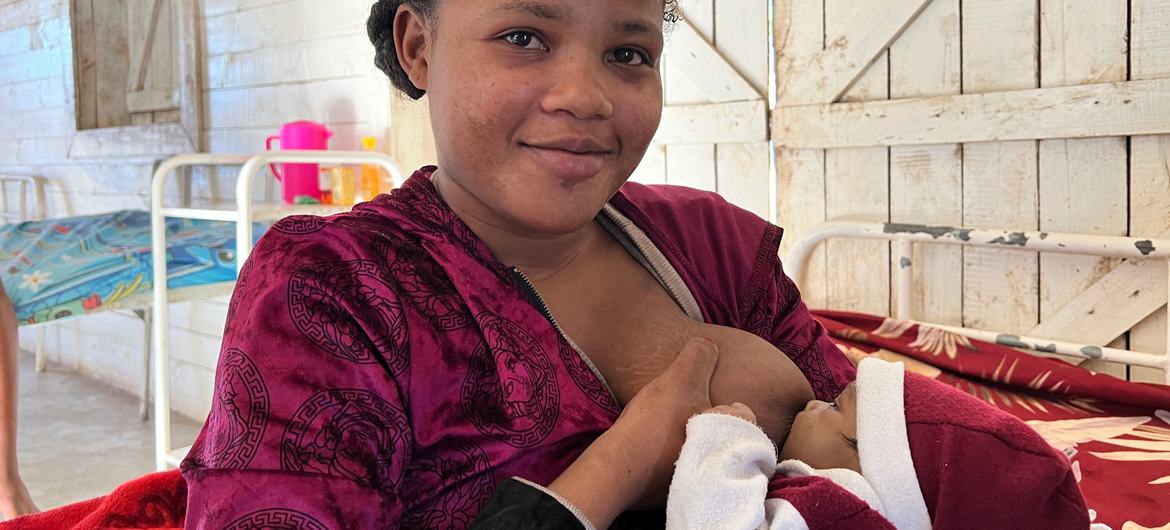
A landmark international study has revealed that exclusive breastfeeding for at least three months may leave a lasting biological signature on a child’s DNA. Researchers discovered that children who were breastfed exhibited distinct “epigenetic” patterns—chemical tags that influence gene activity—years after they had moved on to solid foods.
The study, published in the journal Clinical Epigenetics, analyzed blood samples from 3,421 children across 11 countries. While the findings provide a fascinating glimpse into how early-life nutrition might “program” the body at a cellular level, experts urge parents to view these results as a piece of a complex biological puzzle rather than a definitive health verdict.
The “Switchboard” of Life: Understanding the Findings
The research focused on DNA methylation, a process often compared to a dimmer switch for genes. Methylation doesn’t change the genetic code itself (the “hardware”), but it changes how the body reads those instructions (the “software”).
By pooling data from the Pregnancy and Childhood Epigenetics (PACE) consortium, researchers from the Barcelona Institute for Global Health (ISGlobal), the University of Exeter, and the University of Bristol identified specific methylation patterns in genes primarily responsible for immune system function and physical development.
“We found that babies who are exclusively breastfed carry epigenetic changes associated with that experience,” explained Dr. Doretta Caramaschi, co-lead author from the University of Exeter. “This suggests that early nutrition can leave a measurable mark on the genome that persists into childhood.”
Study at a Glance:
-
Participants: 3,421 children.
-
Scope: 11 studies across Europe, North America, and Africa.
-
Threshold: Exclusive breastfeeding for at least three months.
-
Key Discovery: Higher methylation levels in genes linked to inflammation and growth.
Why These “Marks” Matter
The discovery is significant because it provides a potential biological explanation for why breastfeeding has long been associated with lower risks of certain infections and inflammatory conditions. If breastfeeding influences the “programming” of immune genes, it could explain how the benefits of human milk extend far beyond the last feeding.
However, the researchers are careful to maintain a balanced perspective. Dr. Mariona Bustamante of ISGlobal noted that while the results are “new and interesting,” a molecular difference in a blood test does not always equal a clinical health benefit.
“We cannot say from our study whether this directly affects those highly complex processes like long-term immunity or cognitive growth,” Bustamante cautioned. “It is a signal, but we need more research to see what that signal actually does.”
Context and Controversy: The Epigenetic Maze
This is not the first time science has looked for “biological memories” of breastfeeding. A 2017 systematic review published in PLOS ONE previously noted that while early studies showed promise, they were often too small or inconsistent to draw firm conclusions.
The current study’s massive size—spanning diverse populations in Spain, South Africa, the U.S., and the U.K.—gives it unprecedented weight. Yet, experts not involved in the study point out the “confounding” variables. Factors such as a mother’s socioeconomic status, her own health during pregnancy, and the environment the child grows up in also influence DNA methylation. Separating the milk from the environment remains a significant challenge for scientists.
Public Health Implications
Currently, the World Health Organization (WHO) and the American Academy of Pediatrics (AAP) recommend exclusive breastfeeding for approximately the first six months of life. These guidelines are based on decades of data showing reduced rates of respiratory tract infections, severe diarrhea, and sudden infant death syndrome (SIDS).
This new epigenetic data supports the plausibility of these benefits but does not fundamentally change the advice given to parents. Instead, it adds a layer of “how” to the existing “why.”
“For the public, the message remains the same: breastfeeding is a biological norm that provides excellent support for a developing infant,” says a spokesperson for the AAP. “But we also recognize that for many families, exclusive breastfeeding isn’t always possible due to medical, social, or economic reasons.”
What Parents and Clinicians Should Know
For parents who may feel pressured by “perfect” health standards, it is vital to understand that a DNA “mark” is not a destiny.
-
For Parents: If you were unable to breastfeed or chose formula, these findings do not mean your child has “damaged” DNA. Epigenetics is highly fluid; exercise, diet, and environment continue to shape these markers throughout a person’s life.
-
For Clinicians: Use this study to explain the complexity of human development. It serves as a reminder that the first 1,000 days of life are a critical window for biological development, but it is just one of many windows.
Limitations of the Research
-
Blood vs. Tissue: The study measured methylation in the blood. It remains unknown if these same changes occur in the brain or the gut, where they might have different effects.
-
Recall Bias: Many of the 11 studies relied on mothers remembering exactly how long they breastfed, which can sometimes lead to inaccuracies.
-
Correlation vs. Causation: The study shows an association. It does not prove that breastfeeding caused the changes, only that the two occurred together.
The Road Ahead
The next step for the PACE consortium is to follow these children into adolescence and adulthood. Researchers want to see if these DNA marks fade over time or if they correlate with actual health outcomes, such as a lower incidence of asthma, allergies, or obesity.
Until then, this study stands as a testament to the profound and lasting connection between early-life nutrition and the very blueprints of our biology.
References
- https://www.ndtv.com/health/children-exclusively-breastfed-show-distinct-dna-changes-study-finds-11371752
Medical Disclaimer: This article is for informational purposes only and should not be considered medical advice. Always consult with qualified healthcare professionals before making any health-related decisions or changes to your treatment plan. The information presented here is based on current research and expert opinions, which may evolve as new evidence emerges.