 0
0
 0
0
April 18, 2026
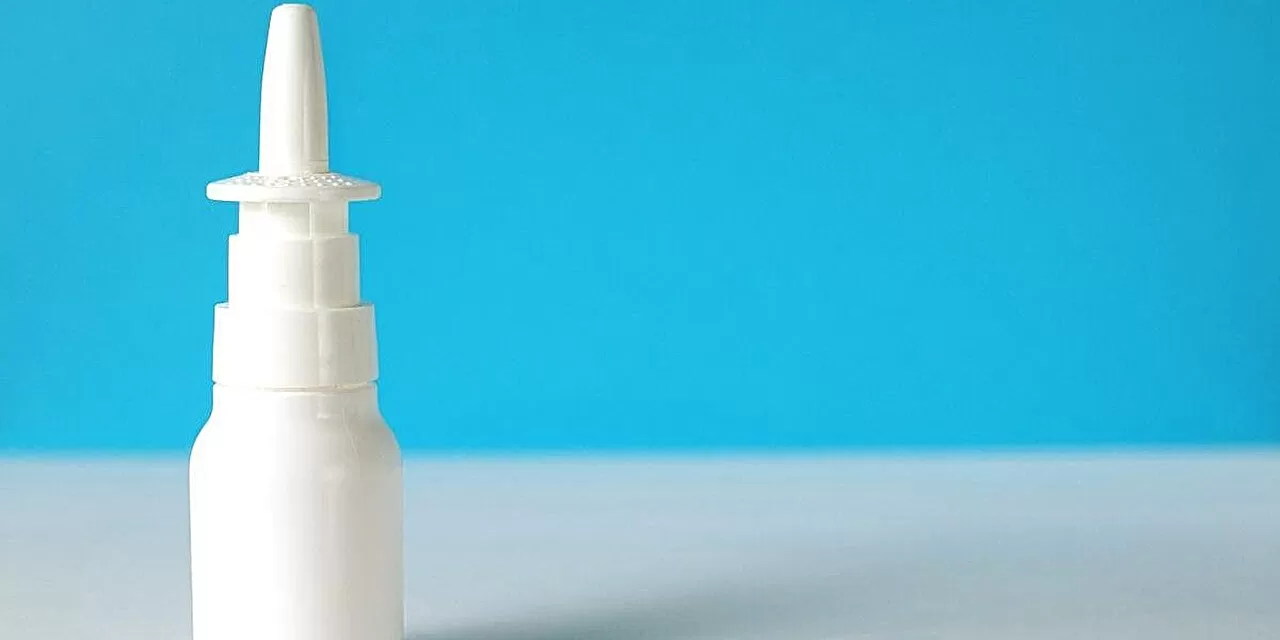
Researchers at Texas A&M University have announced a potential breakthrough in regenerative medicine, demonstrating that an experimental nasal spray can significantly reduce brain inflammation and improve memory in aging mice. The study, published this month in the Journal of Extracellular Vesicles, found that just two doses of the treatment were sufficient to “recharge” cellular function and reverse signs of cognitive decline in animal models.
While the results have sparked excitement in the neuroscientific community, lead researchers and independent experts alike caution that the therapy remains in the preclinical stage. While the spray effectively “turned back the clock” on mouse brains, it has yet to be tested in humans, leaving a significant gap between laboratory success and a viable clinical treatment for dementia.
The Science of “Neuroinflammaging”
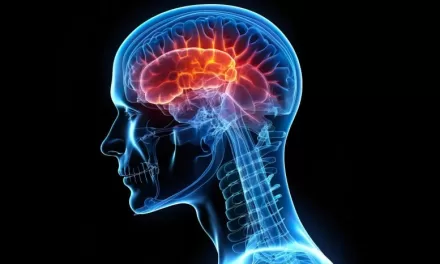
As the body ages, the brain often undergoes a process scientists call “neuroinflammaging”—a state of chronic, low-grade inflammation that hampers the brain’s ability to repair itself. This persistent inflammation is a primary driver of age-related cognitive decline and is a hallmark of neurodegenerative diseases like Alzheimer’s.
The Texas A&M team, led by Dr. Ashok K. Shetty, focused on neutralizing this inflammation using extracellular vesicles (EVs). These are microscopic, naturally occurring particles secreted by cells—in this case, human neural stem cells. These vesicles act as “delivery trucks,” carrying a cargo of therapeutic microRNAs directly to the brain.
Key Findings from the Study:
-
Rapid Results: Improvements in memory and cellular health were observed after only two intranasal doses.
-
Mitochondrial Recovery: The treatment “recharged” mitochondria, the energy-producing powerhouses of brain cells, which typically falter with age.
-
Inflammation Suppression: The spray successfully inhibited the NLRP3 inflammasome and cGAS-STING signaling pathways, both of which are notorious for triggering harmful inflammatory responses in aging tissue.
-
Lasting Impact: Benefits in the mice persisted for several months following the initial treatment.
A Noninvasive Path to the Brain
One of the most significant aspects of the study is the delivery method. The blood-brain barrier is a highly selective membrane that protects the brain but also prevents most oral or intravenous drugs from reaching their target.
“Intranasal delivery allows therapeutic agents to reach the brain by bypassing the blood-brain barrier,” explained Maheedhar Kodali, a researcher involved in the study. This noninvasive approach could eventually replace the need for surgery or complex injections if the treatment moves to human trials.
Dr. Madhu Leelavathi Narayana, senior research scientist at Texas A&M, noted that the microRNAs within the vesicles act as “master regulators,” simultaneously calming multiple inflammatory pathways rather than targeting just one.
Expert Perspectives and Context
The prospect of “reversing” brain aging is a bold claim, and independent experts suggest a balanced interpretation.
“We are seeing the brain’s own repair systems switch on, healing inflammation and restoring itself,” said Dr. Ashok K. Shetty, professor and associate director of the Institute for Regenerative Medicine at Texas A&M.
However, outside experts note that “reversal” in a laboratory setting often refers to the restoration of specific biomarkers or maze-running abilities in mice, which does not always equate to a “cure” for the complexities of human aging.
“The results are mechanically impressive,” says Dr. Elena Rossi, a neurogeneticist not affiliated with the study. “But we must remember that a mouse’s lifespan is roughly two years. Proving that a treatment lasts for ‘months’ in a mouse is a far cry from proving it can sustain a human brain over decades of aging.”
Public Health Implications: The Looming Dementia Crisis
The search for effective cognitive treatments has never been more urgent. According to data from the National Institute on Aging (NIA), the number of new dementia cases in the United States is projected to double by 2060, rising from 514,000 to over 1 million annually.
If the EV nasal spray can be successfully translated to human use, it could represent a shift in how we treat aging. Rather than waiting for the onset of severe Alzheimer’s symptoms, doctors might one day use such therapies to maintain “brain hygiene,” keeping inflammation at bay before permanent damage occurs.
Important Limitations and Cautions
Despite the optimism, the transition from “bench to bedside” is notoriously difficult in neurology.
-
Species Difference: Mouse brains are structurally simpler than human brains. The immune response in a 20-month-old mouse may not accurately predict how an 80-year-old human will react to the same vesicles.
-
Safety and Dosing: Long-term effects of suppressing the brain’s inflammatory pathways—which sometimes serve a protective role—are not yet known in humans.
-
Terminology: The term “reversing aging” should be treated with caution. The study shows a restoration of function, but it does not stop the biological process of aging entirely.
For the general public, the immediate takeaway is one of cautious hope. There is currently no over-the-counter nasal spray that provides these benefits. Consumers are urged to stick to evidence-based lifestyle interventions—such as exercise, a Mediterranean diet, and social engagement—which remain the gold standard for brain health today.
What’s Next?
The Texas A&M team is now looking toward the next phase of research, which includes longer-term safety studies and determining the optimal dosage for larger organisms. If these preclinical hurdles are cleared, the first phase of human clinical trials could begin within the next few years.
For now, the study stands as a significant proof-of-concept: that the aging brain may be more resilient and “repairable” than previously believed.
References
- https://www.ndtv.com/health/researchers-use-nasal-spray-to-suppress-brain-inflammation-reverse-ageing-11371256
Medical Disclaimer: This article is for informational purposes only and should not be considered medical advice. Always consult with qualified healthcare professionals before making any health-related decisions or changes to your treatment plan. The information presented here is based on current research and expert opinions, which may evolve as new evidence emerges.