 0
0
 0
0
NEW DELHI — For decades, the conversation around fertility in India was largely centered on women in their late 30s. However, a shifting clinical landscape is prompting a new urgency among health experts. Recent reports from mid-April 2026 indicate a significant surge in women in their early 20s seeking medical intervention for hormonal imbalances, irregular menstrual cycles, and diminished ovarian reserves—conditions historically associated with older age groups.
The trend, highlighted by clinicians across major Indian metropolitan hubs, suggests that the “biological clock” is being pressured by a complex intersection of modern lifestyle stressors, metabolic shifts, and environmental factors.
A New Clinical Reality in the 20s
Indian reproductive specialists are observing a marked departure from traditional patient demographics. Rather than seeing infertility as a byproduct of natural age-related decline, doctors are increasingly diagnosing young women with structural and hormonal disruptions.
“We are seeing a rise in cases of menstrual irregularity and Polycystic Ovary Syndrome (PCOS) in patients barely out of university,” noted clinicians in reports syndicated by the Economic Times and Tribune India. “The concern isn’t that fertility is vanishing, but that the warning signs of reproductive dysfunction are appearing much earlier.”
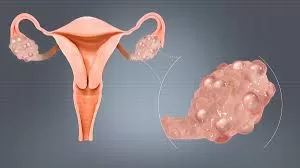
Key to this discussion is the hypothalamic-pituitary-ovarian (HPO) axis, the intricate communication line between the brain and the ovaries. When this system is disrupted by stress or metabolic issues, it can lead to irregular ovulation. Furthermore, clinicians are reporting more cases of Diminished Ovarian Reserve (DOR)—a lower-than-expected egg count—in women under 30, a trend that complicates future family planning.
The PCOS Epidemic: By the Numbers
Polycystic Ovary Syndrome remains the most dominant factor in this shift. According to the World Health Organization (WHO), PCOS affects approximately 10% to 13% of women of reproductive age globally. However, in India, the numbers tell a more intense story.
-
National Prevalence: A 2024 national study of nearly 10,000 Indian women aged 18 to 40 reported prevalence rates ranging from 7.2% to 19.6%, depending on the diagnostic criteria used.
-
The 2022 Benchmark: A systematic review previously found a pooled prevalence of roughly 10% using the Rotterdam criteria.
PCOS is more than just a reproductive hurdle; it is a metabolic powerhouse characterized by insulin resistance, which can lead to weight gain, acne, and excess hair growth (hirsutism).
Why Is This Happening Earlier?
The acceleration of these issues is rarely tied to a single “smoking gun.” Instead, experts point to a “perfect storm” of lifestyle and environmental factors:
1. The Metabolic “Misfire”
Sedentary routines and diets high in processed sugars have led to increased rates of obesity and insulin resistance. Insulin resistance can trigger the ovaries to produce excess androgens (male hormones), which halts regular ovulation.
2. The Stress and Sleep Connection
Chronic stress and high screen time—common among India’s young professional workforce—disrupt the circadian rhythm. This disruption can interfere with the production of melatonin and cortisol, both of which play roles in regulating the menstrual cycle.
3. Environmental Endocrine Disruptors
There is growing concern regarding “hormone-mimicking” substances found in plastics, pesticides, and air pollution. While the WHO and other bodies acknowledge these as potential risks, experts caution that proving a direct cause-and-effect link in individual patients remains difficult.
Understanding Fertility in the Modern Context
It is vital to distinguish between “subfertility” and “infertility.” According to the American College of Obstetricians and Gynecologists (ACOG), a healthy couple in their 20s has a 25% to 30% chance of conception in any single cycle.
When a woman in her 20s experiences difficulty conceiving, it is often due to treatable ovulatory dysfunction rather than an irreversible loss of eggs. However, the emergence of “ovarian aging”—where the ovaries appear biologically older than the patient’s chronological age—requires early detection.
“Early awareness can help preserve fertility options,” experts noted. This might include lifestyle interventions, medication to induce ovulation, or, in some cases, egg freezing for those not yet ready to start a family.
Expert Perspective: When to Seek Help
The Centers for Disease Control and Prevention (CDC) generally recommends that women under 35 seek a fertility evaluation after 12 months of trying to conceive. However, given the rising trend of early hormonal issues, the American Academy of Family Physicians (AAFP) suggests that those with known risk factors—such as irregular periods or PCOS—should seek help much sooner.
“It is important not to normalize irregular cycles, severe acne, or unexplained weight gain,” clinicians warned. “The menstrual cycle is often the ‘fifth vital sign’ of a woman’s overall health.”
Public Health and Practical Implications
The shift toward earlier reproductive issues suggests that India’s healthcare system must move beyond “post-marriage” maternal care and toward “pre-conception” wellness for young adults.
For the Reader:
-
Track Your Cycle: Consistency is a marker of hormonal health.
-
Listen to Symptoms: Persistent acne or hair thinning are often hormonal signals, not just cosmetic issues.
-
Consult, Don’t Google: Self-treating with unregulated supplements can sometimes worsen hormonal imbalances.
Limitations of Current Data
While the clinical observations are compelling, researchers emphasize that much of the current alarm is based on expert reports and syndicated clinical data rather than a new, comprehensive national census. We must avoid “fear-mongering”; a diagnosis of PCOS or low ovarian reserve does not equate to a total inability to have children. Many young women with these conditions achieve healthy pregnancies with appropriate management.
Medical Disclaimer: This article is for informational purposes only and should not be considered medical advice. Always consult with qualified healthcare professionals before making any health-related decisions or changes to your treatment plan. The information presented here is based on current research and expert opinions, which may evolve as new evidence emerges.
References
-
Economic Times/Tribune India. (April 14, 2026). “Hormonal and fertility issues appearing earlier in Indian women: Clinical Reports.”