 0
0
 0
0
ROHTAK, HARYANA — A surprise inspection by Haryana Health Minister Arti Singh Rao has sent shockwaves through the Pandit Bhagwat Dayal Sharma Post Graduate Institute of Medical Sciences (PGIMS), resulting in the suspension of medical staff and a renewed debate over the enforcement of generic drug prescriptions in India’s public healthcare system.
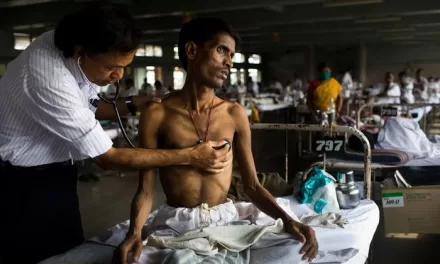
The disciplinary actions, confirmed on April 10, 2026, saw one doctor suspended and another issued a formal warning. Additionally, a General Duty Medical Officer (GDMO) at the trauma centre was suspended following the Minister’s unannounced visit on April 4. The inspection revealed a cascade of systemic failures, ranging from critical medicine shortages and sanitation lapses to a pattern of doctors prescribing brand-name medications that forced low-income patients to seek supplies from private pharmacies.
A System Under Scrutiny: What the Inspection Revealed
The Health Minister’s visit was prompted by mounting patient grievances regarding the quality of care and the financial burden of treatment. During the walkthrough, Minister Rao encountered several operational red flags:
-
Medicine Discrepancies: Patients reported being handed prescriptions for medications not available in the hospital’s central dispensary.
-
Logistical Gaps: Significant manpower shortages were noted at blood collection points, leading to treatment delays.
-
Sanitary Concerns: Dilapidated conditions in toilets and common campus areas raised alarms regarding infection control and patient dignity.
In response, PGIMS leadership moved swiftly to “strengthen the system.” Beyond the immediate suspensions, the institute has issued a directive mandating that all doctors prescribe medicines available within the central dispensary using only their generic names.
The High Cost of Brand Names
The issue of “outside prescriptions” is a significant hurdle for public health in India. When a physician at a government facility prescribes a specific brand rather than a generic name, and that brand is not in the hospital’s inventory, the patient must pay out-of-pocket at retail prices.
In a country where healthcare expenses are a leading cause of poverty, this gap between a doctor’s pen and the hospital’s shelf can be devastating. According to data from the National Medical Commission (NMC), the ethical code of conduct explicitly requires physicians to prescribe drugs with generic names to ensure “rational use of medicines.”
“The PGIMS case is a classic example of the friction between clinical preference and administrative reality,” says Dr. Arpit Sharma, a health policy consultant not affiliated with the Rohtak institute. “When doctors bypass the hospital’s formulary, they aren’t just choosing a drug; they are often inadvertently choosing to place a financial barrier in front of the patient.”
Bridging the Gap: Inventory vs. Prescription
The administration at PGIMS Rohtak is now attempting to align its procurement with clinical needs. Department heads have been instructed to submit comprehensive lists of required medicines, including both generic and trade names, to help the procurement committee better match supply with actual demand.
The institute typically maintains a three-month buffer of essential stocks, with a 45-day “re-order” window. However, the recent inspection suggests that this “buffer” may exist on paper more than in practice for certain critical treatments.
Table: Understanding the Generic vs. Brand Name Difference
| Feature | Generic Drug | Brand-Name Drug |
| Active Ingredient | Identical to the brand name | Original patented formula |
| Cost | Typically 30% to 80% lower | High due to R&D and marketing |
| Regulation | Must meet same WHO/GMP standards | Must meet same WHO/GMP standards |
| Prescription Rule | Mandated in Indian public hospitals | Discouraged in public sectors |
Expert Perspectives: A Multi-Layered Problem
While the focus at Rohtak has been on physician accountability, public health experts argue that the issue is rarely the fault of a few individual doctors. A 2022 peer-reviewed study examining the “Jan Aushadhi” (People’s Medicine) scheme highlighted that access to essential medicines is often hindered by “physical and financial barriers” that go beyond the prescription pad.
“Forcing generic prescriptions is only half the battle,” explains Dr. Sharma. “If the hospital pharmacy is consistently out of stock due to supply chain bottlenecks, a doctor is faced with a choice: prescribe a generic that isn’t there, or prescribe a brand name they know the patient can find across the street. The real solution lies in robust inventory management.”
Public Health Implications
The lapses at PGIMS Rohtak carry broader implications for the community:
-
Infection Control: The reported poor cleanliness in toilets is more than an aesthetic issue; it is a primary vector for healthcare-associated infections (HAIs), which can prolong hospital stays and increase mortality.
-
Treatment Adherence: When patients cannot afford “outside” medicines, they often skip doses or abandon treatment entirely, leading to worsened health outcomes and the potential for drug-resistant conditions.
-
Trust in Public Institutions: Persistent shortages and perceived corruption in prescribing habits erode the public’s trust in the government’s ability to provide a safety net.
Limitations of Current Findings
It is important to note that the actions taken at PGIMS Rohtak are based on preliminary findings from an administrative inspection. As of April 2026, the specific clinical justifications for the contested prescriptions have not been made public, and the suspended doctors have a right to a formal inquiry.
Furthermore, while the issues at Rohtak are significant, they are not necessarily representative of every government medical college in India. National programs like the Pradhan Mantri Bhartiya Janaushadhi Pariyojana (PMBJP) continue to expand, though implementation quality varies significantly by state and local oversight.
Practical Advice for Patients
For readers navigating the public healthcare system, being an informed advocate is essential. Health authorities recommend the following steps:
-
Ask for Generics: If a doctor provides a prescription, ask, “Is there a generic version available in the hospital pharmacy?”
-
Check the Formulary: Most government hospitals are required to provide essential medicines for free. Verify availability at the in-house dispensary before heading to a private outlet.
-
Identify Jan Aushadhi Stores: These government-backed outlets provide high-quality generic drugs at a fraction of the cost of branded alternatives.
As PGIMS Rohtak works to rehabilitate its reputation and its corridors, the incident serves as a vital reminder that healthcare quality is built on the pillars of transparency, consistent supply chains, and clinical accountability.
Reference Section
- https://medicaldialogues.in/news/health/doctors/pgims-rohtak-suspends-two-doctors-after-health-ministers-inspection-168616
Medical Disclaimer: This article is for informational purposes only and should not be considered medical advice. Always consult with qualified healthcare professionals before making any health-related decisions or changes to your treatment plan. The information presented here is based on current research and expert opinions, which may evolve as new evidence emerges.