 0
0
 0
0
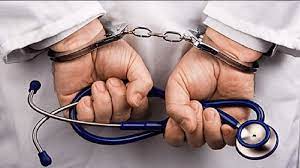
DAMOH, MADHYA PRADESH — In a major lapse in medical-credential checks, three men posing as MBBS-qualified doctors have been arrested in Madhya Pradesh for allegedly practicing medicine with forged degrees and bogus Medical Council registrations. The individuals were stationed at government-run Sanjeevani Clinics operating under the National Health Mission (NHM). The trio—identified as Kumar Sachin Yadav of Gwalior, Rajpal Gaur of Sehore, and Ajay Maurya, who was connected to a Jabalpur-area Sanjeevani center—reportedly worked at NHM-linked primary healthcare facilities for nearly a year. By presenting fabricated medical documents, they successfully bypassed initial screenings, prompting fresh scrutiny of recruitment safeguards and credentialing protocols within rural public health schemes.
The Investigation: How the Fraud Was Uncovered
According to local police and district health officials, the sophisticated fraud came to light after the Chief Medical and Health Officer (CMHO) office in Damoh flagged severe discrepancies during a routine administrative review. Discrepancies were noted in the MBBS certificates and state council registration documents submitted by Kumar Sachin Yadav and Rajpal Gaur.
The Kotwali police in Damoh initiated a formal investigation, verifying the credentials directly with the relevant medical councils and university bodies. The verification confirmed that the MBBS degrees and Medical Council registrations were entirely fabricated.
During the interrogation of Yadav and Gaur, Ajay Maurya’s name surfaced. Investigators discovered that Maurya had secured a medical post at a Sanjeevani facility in Jabalpur using an identical forgery methodology.
Police have registered criminal cases against all three individuals under Sections 318, 338, 336, and 340 of the Bharatiya Nyaya Sanhita (BNS), which cover offenses including:
-
Cheating
-
Forgery
-
The creation of false documents
-
Act endangering life or personal safety of others
Authorities have expanded their investigation into a broader criminal network suspected of manufacturing these high-quality fake degrees and illicitly placing unqualified individuals into government health service roles.
Context: The Vulnerabilities in Medical Credentialing
India’s medical education and regulatory system relies on a multi-layered verification structure. To legally practice, an individual must hold an MBBS degree from a recognized university, obtain permanent registration with their respective State Medical Council (SMC), and undergo additional background checks by health departments or recruitment boards. In theory, employers can instantly cross-check a doctor’s identity and registration number via online council portals or the National Medical Commission’s (NMC) consolidated registry.
However, investigations into recent “fake doctor” episodes across the region reveal structural gaps within the administrative pipeline:
| Systemic Vulnerability | Impact on Healthcare Delivery |
| Weak Initial Verification | High-pressure, vacancy-ridden rural health cadres often expedite hiring without waiting for primary-source verification. |
| Document Modification | Imposters utilize sophisticated digital editing to morph certificates or steal valid registration numbers belonging to legitimate practitioners. |
| Insulated Contracting | Third-party recruitment agencies or private partners sometimes offload staffing responsibilities without conducting due diligence. |
This issue is not isolated. The recent Damoh-based Mission Hospital case—where an imposter posing as a UK-trained cardiologist performed complex surgeries on dozens of patients—exposed identical systemic vulnerabilities, resulting in the cancellation of the hospital’s license. The new Sanjeevani Clinic arrests demonstrate that these vulnerabilities extend into the public health infrastructure, where vulnerable communities rely on government clinics as their sole source of medical care.
Expert Perspectives: Patient Safety and Institutional Trust
Public health advocates warn that the presence of unqualified individuals in primary care settings poses a profound threat to patient safety and public trust.
“When an individual without basic medical training enters a primary health clinic, the risk extends far beyond misdiagnosis,” explains Dr. Sandeep Singh, a public health policy specialist and former state health officer who is not involved in the Damoh investigation. “Patients face inappropriate pharmacology, unsafe injection practices, and delayed referrals for life-threatening emergencies. In low-resource settings, where patients rarely question authority, the potential for severe physical and psychological harm is magnified.”
The erosion of institutional trust is another major consequence. Dr. Meera Balasubramanian, a primary healthcare physician and NHM-engaged trainer, emphasizes that these lapses destroy the patient-provider relationship.
“Rural patients utilize Sanjeevani clinics because they lack financial access to private tertiary care,” Dr. Balasubramanian noted. “If an imposter harms a patient, that negative outcome reverberates through the entire community. Families may stop seeking formal medical care altogether, defaulting to unsafe alternative practices.”
To rectify these vulnerabilities, health policy experts argue that administrative bodies must implement immediate systemic updates:
-
Real-Time Online Verification: Mandating primary-source verification through the NMC portal before any clinical appointment is finalized.
-
Biometric Integration: Implementing secure, biometric-linked authentication mechanisms for public health workforce databases.
-
Regular Clinical Audits: Conducting random, unannounced document and clinical practice audits at all NHM-linked primary centers.
Public Health Implications and Patient Impact
For the local populations in Damoh and Jabalpur, the immediate priority is determining the exact window of time these imposters practiced and evaluating patients who received care from them. While law enforcement has not released a comprehensive list of clinical complications or adverse events directly tied to the trio, the public remains anxious. The community recalls the earlier Mission Hospital scandal, where at least seven patient deaths were linked to a separate fraudulent practitioner.
From a macro public health perspective, this case illustrates the tension between urgent staffing needs and administrative due diligence. While the NHM has successfully expanded healthcare access to remote regions, rapid hiring pipelines without rigid verification protocols can compromise healthcare quality. Furthermore, the proliferation of uncertified practitioners creates unfair competition that can disincentivize qualified medical graduates from taking rural service posts.
Nuance, Limitations, and Legal Context
It is crucial to note that the three individuals are currently accused and have not been convicted in a court of law; the judicial and medical-regulatory processes remain underway. The health department has not yet published a clinical audit detailing the exact number of patients treated, the clinical conditions managed, or the definitive scope of documented physical harm directly caused by the accused. Consequently, quantitative estimates regarding patient impact remain speculative.
Administrative officials familiar with rural health operations privately note that these incidents reflect individual oversight and localized administrative strain rather than failures of the National Health Mission itself. They point out that health departments in resource-constrained states manage severe understaffing within their verification cells while facing immense pressure to fill vacancies rapidly. Addressing these localized bottlenecks is essential to preserve the NHM’s broader achievements in improving doctor-to-population ratios in underserved areas.
Practical Actionable Guidance for Patients
To safeguard personal health and navigate primary care safely, patients and families can utilize the following objective verification steps:
-
Confirm Registrations: Patients have the right to request a practitioner’s medical registration number. This number can be verified by entering it into the official online portal of the National Medical Commission (NMC) or the respective State Medical Council.
-
Observe Institutional Protocols: Prioritize healthcare facilities that display their institutional regulatory licenses and have a visible board listing the certified qualifications of their medical staff.
-
Report Red Flags: If a practitioner demonstrates a lack of basic clinical competence, fails to take standard medical histories, or operates without standard diagnostic equipment, report the facility to the District Health Authority, local medical council, or the national health helpline.
Patients who received medical treatment at the specific Sanjeevani Clinics in Damoh or Jabalpur within the past year are advised to monitor their health and contact district health authorities for information regarding follow-up clinical assessments.
Medical Disclaimer
Medical Disclaimer: This article is for informational purposes only and should not be considered medical advice. Always consult with qualified healthcare professionals before making any health-related decisions or changes to your treatment plan. The information presented here is based on current news reports, official statements, and expert opinions, which may evolve as new evidence emerges.
References
-
Case Documents & Local Reports:
-
SocialNews.XYZ, “MP: Three Held for Forging MBBS Degree, Securing Employment Under National Health Mission in Damoh,” Published May 16–18, 2026.
-