 0
0
 0
0
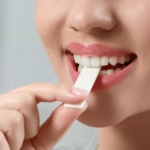
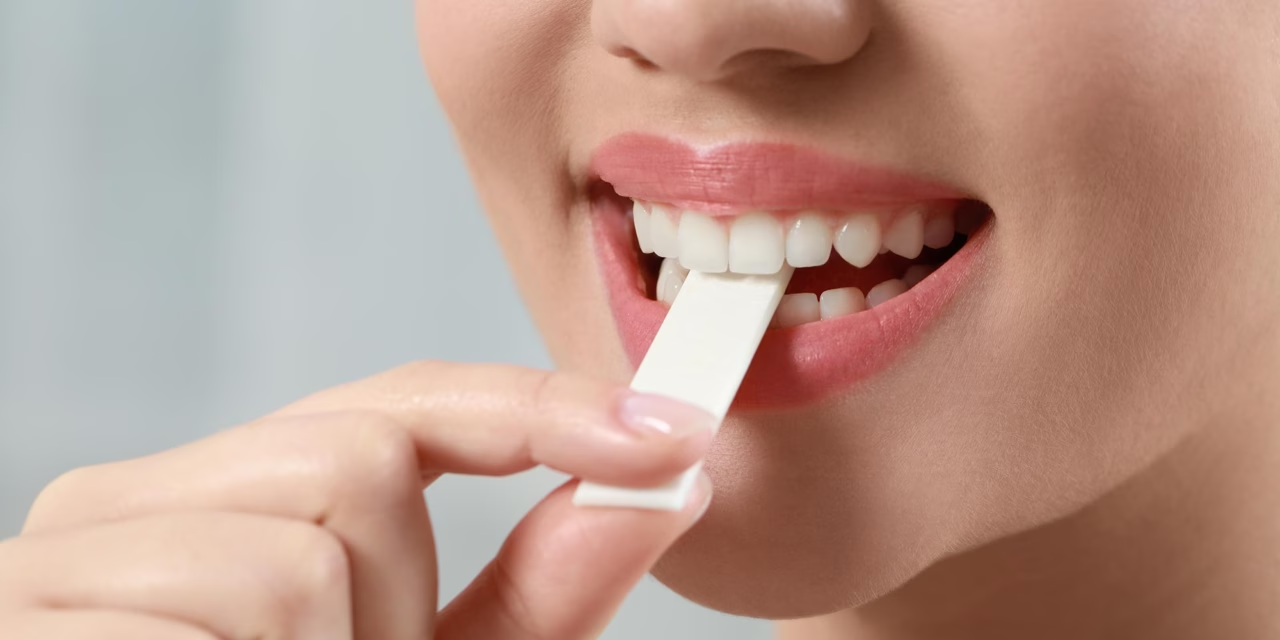
LONDON — In an unexpected intersection of dental habits and cardiovascular science, researchers have uncovered a surprising connection between what we chew and how our blood vessels function. A new, small-scale human study led by researchers at King’s College London suggests that chewing sugar-containing gum after consuming nitrate-rich vegetables, such as beetroot, can modestly lower blood pressure. The effect, scientists say, is driven by a rapid shift in the chemical environment of the mouth, which supercharges the body’s natural ability to process healthy dietary compounds.
Published in the British Journal of Clinical Pharmacology, the clinical trial tracked how different types of chewing gum influence the conversion of dietary nitrates into nitrites—essential precursors to molecules that tell blood vessels to relax. While the findings offer a fascinating glimpse into how oral health interacts with systemic circulation, medical experts quickly cautioned that the habit should not be mistaken for a substitute for traditional blood pressure therapies.
The Oral Alchemy: What the Study Discovered
Dietary nitrates, found abundantly in leafy greens, celery, and beetroot, have long been celebrated for their heart-healthy benefits. However, the human body cannot utilize these nitrates efficiently without a little help from the microbes living in our mouths.
To investigate whether everyday oral behaviors could influence this process, researchers gathered a cohort of healthy volunteers. Participants were asked to consume a nitrate-rich beetroot beverage and were subsequently split into two groups: one chewed sugar-containing gum for several hours, while the other chewed a sugar-free alternative.
When researchers analyzed saliva chemistry, systemic blood work, and vital signs over time, they observed a distinct divergence between the two groups. Compared to those chewing sugar-free gum, participants using sugar-containing gum experienced:
-
Increased Acidity: A sharp drop in saliva pH of approximately 1.4 units, creating a significantly more acidic mouth environment.
-
Elevated Nitrite Production: A 45% increase in nitrite levels within the mouth and a corresponding 25% spike in the nitrites circulating throughout the bloodstream.
-
Modest Blood Pressure Drops: A small but measurable reduction in blood pressure, with systolic and diastolic drops totaling nearly 3 over 2 mmHg ($3\text{ mmHg}$ systolic / $2\text{ mmHg}$ diastolic).
While a reduction of a few millimeters of mercury may sound negligible to the average consumer, cardiovascular researchers view these numbers differently. In the realm of public health, even small, population-wide shifts in average blood pressure can correlate with measurable reductions in strokes and heart attacks.
The Nitrate-to-Nitrite Pathway Explained
To understand why a piece of sugary gum can impact the tension in your arteries, it helps to look at the body’s internal plumbing.
When you eat a piece of beetroot or a bowl of spinach, the inorganic nitrates ($\text{NO}_3^-$) are absorbed into your bloodstream, concentrated in your salivary glands, and secreted back into your mouth. Here, specialized bacteria living on the surface of your tongue convert these nitrates into nitrites ($\text{NO}_2^-$). Once swallowed, these nitrites enter the systemic circulation, where they are converted into nitric oxide ($\text{NO}$) — a powerful signaling molecule that commands the smooth muscles surrounding your blood vessels to relax and dilate.
The mouth acts as a crucial processing plant in this chain. The King’s College London study suggests that sugar introduces a fuel source for specific acid-producing bacteria in the oral microbiome. As these bacteria ferment the sugar, they release acid, lowering the pH of the saliva. This acidic microenvironment acts as a catalyst, significantly accelerating the chemical conversion of nitrate into usable nitrite.
Expert Insights: Promising Biology, Not a Medical Prescription
Despite the intriguing biological mechanics, independent medical professionals urge the public to read between the lines.
“This is an elegant piece of physiological research that beautifully highlights the complexity of the human oral microbiome and its role in vascular health,” says Dr. Elena Rostova, a cardiologist and independent reviewer not involved in the trial. “However, it is absolutely critical that patients do not interpret this as a green light to abandon their prescribed blood pressure medications in favor of a pack of bubblegum.”
Medical communicators stress that the trial was designed to observe short-term biological mechanisms rather than long-term clinical endpoints. A brief, temporary dip in blood pressure over a few hours in a controlled laboratory environment does not automatically translate to sustained protection against chronic hypertension (high blood pressure).
The Sugar Paradox: Crucial Limitations and Risks
The most apparent paradox of the study lies in its primary intervention: sugar. Recommending regular consumption of sugar-containing gum poses obvious risks that run directly counter to standard public health advice.
| Potential Benefit | Established Cardiometabolic & Dental Risks |
| Slightly lower blood pressure (~3/2 mmHg drop via enhanced oral nitrate-to-nitrite conversion). | Increased risk of dental caries (cavities) due to prolonged tooth exposure to fermentable sugars. |
| Increased systemic nitrite availability (+25% circulating nitrites helping blood vessels dilate). | Elevated caloric and sugar intake, which can negatively impact long-term metabolic health and insulin sensitivity if done excessively. |
Furthermore, the study’s small sample size and reliance on presumably healthy volunteers limit how broadly these results can be applied. Individuals with established chronic conditions—such as severe hypertension, chronic kidney disease, or diabetes—may possess vastly different oral microbiomes or vascular responsiveness, meaning the intervention might not work the same way for them.
Practical Takeaways for Consumers
For health-conscious individuals looking to apply this science to their daily lives, the takeaway is firmly grounded in diet rather than confectionery.
The study powerfully reinforces the value of eating nitrate-rich foods. Incorporating beetroot, arugula, kale, and Swiss chard into your meals provides the raw materials your body needs to maintain flexible, healthy blood vessels.
Instead of starting a sugary gum habit, a more balanced approach involves protecting the natural oral environment. Simple steps include:
-
Prioritizing whole food nitrates as part of a balanced diet.
-
Avoiding excessive use of strong antiseptic mouthwashes, which can inadvertently wipe out the beneficial tongue bacteria responsible for blood pressure regulation.
-
Focusing on proven lifestyle modifications such as regular aerobic exercise, sodium reduction, and stress management.
Ultimately, the research provides a fascinating clue into how deeply our oral environment influences our cardiovascular health. While we wait for larger, long-term studies to explore whether a dentist-approved, sugar-free method can mimic these results, the best strategy remains eating your greens and consulting your physician.
Medical Disclaimer
Medical Disclaimer: This article is for informational purposes only and should not be considered medical advice. Always consult with qualified healthcare professionals before making any health-related decisions or changes to your treatment plan. The information presented here is based on current research and expert opinions, which may evolve as new evidence emerges.
References
The Surprising Reason Sugary Gum Helped Lower Blood Pressure