 0
0
 0
0
On June 28, 2026, the U.S. Department of Justice (DOJ) reportedly closed its years-long criminal investigation into Abbott Laboratories regarding safety practices at its Sturgis, Michigan, infant formula manufacturing plant. According to a report by The Wall Street Journal, federal prosecutors have chosen to pivot away from criminal charges, shifting their focus instead toward securing civil remedies and financial penalties. The decision marks a significant turning point in a high-profile case that began after unsanitary conditions at the facility led to a massive product recall, contributed to a historic nationwide baby formula shortage, and sparked intense federal scrutiny over infant illnesses.
Inside the Enforcement Shift: From Criminal Charges to Civil Remedies
The DOJ’s decision to drop the criminal track represents a strategic shift in regulatory enforcement rather than an exoneration of the facility’s past manufacturing practices. According to The Wall Street Journal, internal deliberations among federal prosecutors revealed a division in how to handle the case. Some prosecutors argued that a substantial pile of evidence gathered during the multi-year probe warranted criminal prosecution under federal food-safety statutes, which hold manufacturers strictly accountable for distributing contaminated or adulterated products.
Ultimately, final decision-makers within the DOJ opted to pursue civil penalties. These civil remedies are reportedly being tied to government nutrition assistance initiatives, such as the Special Supplemental Nutrition Program for Women, Infants, and Children (WIC), which relies heavily on contract manufacturers like Abbott to supply formula to low-income families.
By utilizing civil tracks, the government can impose substantial financial fines and mandate legally binding compliance measures, such as independent monitoring and stricter reporting protocols, without the prolonged timeline and high burden of proof required in a criminal trial.
Background: The 2022 Contamination Crisis and Supply Chain Collapse
To understand the gravity of the DOJ’s investigation, one must look back to the events of early 2022. The U.S. Food and Drug Administration (FDA) conducted an inspection of Abbott’s Sturgis facility—the largest infant formula manufacturing plant in the country—and uncovered unsanitary conditions, including a leaking roof, standing water, and a history of internal environmental testing that was positive for Cronobacter sakazakii bacteria.
Following these findings and reports of several infant illnesses and two deaths associated with the consumption of formula produced at the plant, Abbott initiated a voluntary recall of multiple major brands, including Similac, Alimentum, and EleCare. The company also temporarily halted production at the Michigan facility.
Throughout the subsequent investigations, Abbott has consistently maintained that its products were not directly linked to the reported infant illnesses or deaths, citing genetic testing that showed the bacterial strains found in the affected infants did not match the strains isolated within the Sturgis plant.
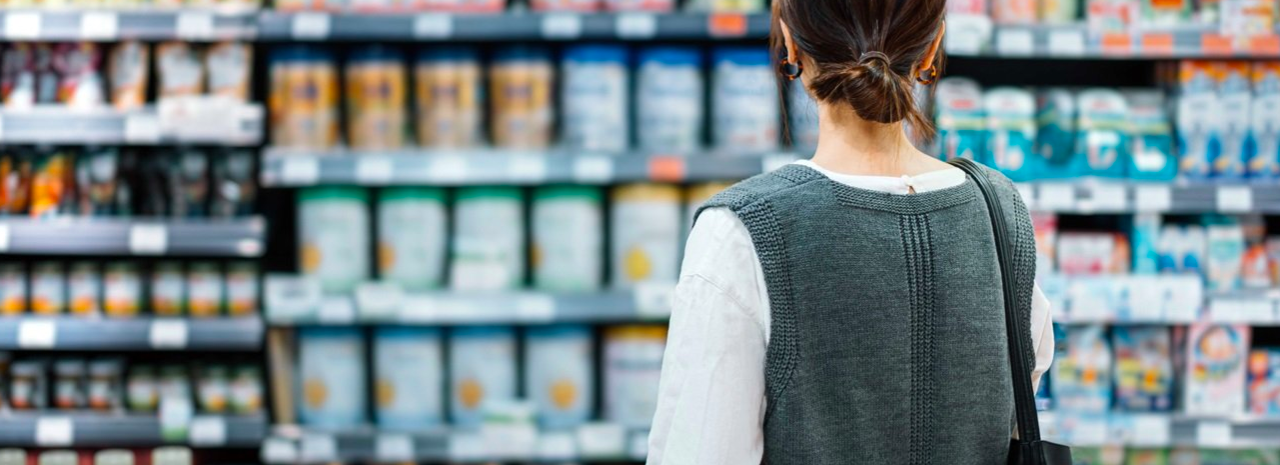
However, the closure of this single facility exposed a highly fragile supply chain. Because the U.S. infant formula market is highly consolidated among a few key manufacturers, the Sturgis shutdown triggered an unprecedented nationwide formula shortage. For months, parents and caregivers faced empty retail shelves, forced rationings, and intense anxiety as they struggled to find specialized nutrition for newborns and infants with severe allergies or medical vulnerabilities.
Expert Perspectives: Restoring Consumer Trust and Protecting the Vulnerable
Public health experts and consumer advocacy specialists note that while civil settlements can effectively force corporate restructuring, they sometimes struggle to restore public confidence as profoundly as criminal accountability.
“Even when criminal charges are not pursued, absolute transparency and strict compliance with safety standards remain essential to restore trust in infant nutrition,” said Dr. Aris Vance, an independent public health policy specialist not involved in the litigation. “Pending civil settlements or penalties can still drive meaningful reforms. However, the manufacturing sector must recognize that oversight, disclosure practices, and rapid corrective actions are non-negotiable when dealing with products meant for vulnerable populations.”
From a clinical standpoint, pediatricians emphasize that the resolution of legal probes does not change the daily realities of infant care. Independent clinicians stress that families must remain informed and rely on evidence-based guidance.
“When recalls or shortages occur, parents should never attempt to water down formula or create homemade alternatives, as this can lead to severe nutritional deficiencies and electrolyte imbalances,” noted Dr. Elena Rostova, a pediatric gastroenterologist. “Instead, caregivers should consistently consult up-to-date guidance from trusted bodies like the FDA and the American Academy of Pediatrics (AAP) to navigate safe formula substitution and proper preparation techniques.”
Public Health Implications and Future Oversight
The legal pivot from criminal to civil remedies carries broad implications for the future of the U.S. food safety ecosystem. For the public, the case underscores the vital importance of supply chain resilience. Federal and state agencies have spent the years following the 2022 crisis attempting to diversify the formula market, streamline import pathways for international brands, and establish rigorous domestic safety baselines.
For manufacturers, the takeaway is clear: regulatory agencies are maintaining high vigilance. Future enforcement will likely rely heavily on enhanced tracing mechanisms, rapid-response recall protocols, and strict environmental testing transparency to ensure that localized contamination risks are contained before they balloon into systemic supply crises.
Limitations and Counterarguments
The closure of the criminal probe has not met with universal approval. Critics of the DOJ’s decision argue that shifting exclusively to civil penalties may signal to large corporations that safety lapses can be resolved as a mere cost of doing business. Some consumer advocacy groups contend that without individual or corporate criminal liability, the deterrent effect against future food-safety violations is significantly weakened.
Furthermore, because the final terms of the civil settlements and corrective monitoring mechanisms have not been fully made public, independent analysts note that the real-world impact of this decision remains to be seen. Until complete settlement documents are released, public health advocates and legal experts caution against drawing premature conclusions regarding the efficacy of the government’s oversight strategy.
Medical Disclaimer
Medical Disclaimer: This article is for informational purposes only and should not be considered medical advice. Always consult with qualified healthcare professionals before making any health-related decisions or changes to your treatment plan. The information presented here is based on current research and expert opinions, which may evolve as new evidence emerges.
References
-
Wall Street Journal: “The Baby Formula Probe Produced a Pile of Evidence. Then the DOJ Dropped the Case,” published June 28, 2026. Link