 0
0
 0
0
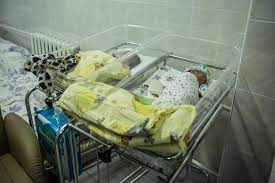
GANDHINAGAR, INDIA — In a bid to streamline maternal and child welfare, the Government of Gujarat has launched a first-of-its-kind digital tracking system designed to break down bureaucratic silos and monitor beneficiaries from pregnancy up to the age of 18. Officially unveiled as a pilot project in the Gandhinagar Lok Sabha constituency on June 28, 2026, the PM Family Care Tracker cross-references databases from multiple government sectors to identify early developmental risks, intercept school dropouts, and catch missed immunizations before vulnerable individuals fall through the cracks of public welfare infrastructure.
By utilizing a singular digital identifier, this ambitious initiative aims to replace fragmented departmental tracking with a cohesive life-cycle approach to public health and social development.
The Mechanics of Convergence: How the Tracker Operates
Historically, a child’s health metrics, dietary access, and schooling records have been managed by separate entities: the Health Department, the Women and Child Development Department, and the Education Department. The PM Family Care Tracker acts as a central data bridge.
Using either a child’s unique ABHA ID (Ayushman Bharat Health Account) or their official Birth Registration Number, the platform synchronizes overlapping data sets into a single, comprehensive dashboard. The automated platform actively tracks critical life-stage indicators, including:
-
Maternal Health: Maternal hemoglobin levels, high-risk pregnancy markers, and prenatal check-ups.
-
Early Childhood Development: Birth weight, routine immunization schedules, and body mass index (BMI)—a metric that measures body fat based on height and weight to assess undernutrition or obesity.
-
Adolescent Milestones: Ongoing nutritional status, school enrollment, and daily academic attendance patterns.
When a benchmark is missed—such as a delayed booster shot, an alarming dip in growth metrics, or a string of unexcused school absences—the system auto-generates proactive alerts. These notifications prompt local frontline welfare teams, such as Anganwadi (rural child care center) workers and community nurses, to initiate rapid home visits.
The Public Health Case for Interoperability
Public health researchers have long argued that a child’s physical growth and intellectual development are deeply intertwined. A child suffering from chronic undernutrition is statistically more likely to experience frequent illnesses, miss school days, and eventually drop out entirely.
“When welfare services are managed in isolation, we miss the compound warning signs,” explains an independent public health consultant. “A family struggling with food insecurity might miss a vaccine appointment and show a pattern of school absenteeism simultaneously. A single dashboard allows us to see the systemic vulnerability of that household immediately.”
This interconnected approach aligns with established global data. A comprehensive systematic review published in Maternal & Child Nutrition highlighted that embedding nutrition-specific interventions directly into standard healthcare delivery systems consistently yields stronger maternal and infant health outcomes.
Furthermore, historical data from India’s Integrated Child Development Services (ICDS)—a government program providing food, preschool education, and primary healthcare to children under six and their mothers—demonstrated that combining health and education services directly leads to superior program coverage and sharper declines in childhood malnutrition than standalone initiatives.
Evaluating the Digital Foundation
The technological architecture of the Gujarat pilot relies heavily on infrastructure laid down by the National Health Authority under the Ayushman Bharat Digital Mission (ABDM). The ABDM framework has already demonstrated its capability to improve patient management systems across the country.
| System Component | Core Function | Impact on Continuity of Care |
| ABHA ID | Unique 14-digit health identifier | Allows seamless data sharing across authorized health providers. |
| Departmental Sync | Interoperability between Health, Education, & Nutrition databases | Bridges gaps so that a school absence can flag a potential health concern. |
| Automated Alerts | Algorithmic flags sent to community mobile devices | Shifts public health from reactive treatments to proactive community interventions. |
Real-world evidence compiled by the World Health Organization (WHO) highlights the power of these digital linkages. In Chhattisgarh, a digital tracking initiative utilizing ABHA-linked health records significantly enhanced long-term follow-up and control rates for individuals living with chronic conditions like diabetes and hypertension compared to traditional, non-linked record systems.
While the tracking logic translates well to pediatric care, experts note that the evidence for large-scale child development tracking is still developing. A research protocol published in BMJ Open evaluated mobile health interventions for frontline workers in resource-constrained environments. The authors noted that while digital tools frequently improve daily service delivery and field supervision, definitive evidence showing long-term, population-wide health improvements remains limited. This underlines the reality that Gujarat’s tool must be evaluated by its tangible execution over the coming months rather than its software design alone.
Expert Perspectives and Implementation Challenges
Interoperability—the ability of different digital systems and software applications to connect and exchange data securely—offers immense administrative advantages, but its success depends entirely on human infrastructure.
Medical professionals and hospital administrators emphasize that databases are only as effective as the data entered into them. Dr. Shuchin Bajaj, Founder Director of the Ujala Cygnus Group of Hospitals, has noted that unifying digital identities can significantly streamline clinical services and enhance patient identification across various treatment stages.
Similarly, Sunil Rao, Chief Operating Officer of the Sahyadri Group of Hospitals, has pointed out that data integration simplifies access to longitudinal medical histories, enabling continuous and better-informed care pathways.
However, health systems experts caution that software cannot replace physical infrastructure. A high-tech dashboard will fail to reduce malnutrition if local community centers face supply shortages of therapeutic foods, or if local clinics lack essential vaccines. The tool is an administrative compass, not the destination itself.
Balancing Public Health Benefits with Ethical Guardrails
If successfully expanded beyond the Gandhinagar pilot, the PM Family Care Tracker holds massive potential for public health optimization. It offers an objective method to evaluate whether expansive welfare programs like the Poshan Abhiyaan (National Nutrition Mission) are successfully serving the exact same child across multiple years of their growth. For frontline community health workers, it promises to alleviate the clerical burden of manually updating redundant paper registers across multiple offices.
Despite these clear benefits, the implementation of a centralized child data repository raises valid systemic concerns:
-
Data Security and Privacy: Consolidating sensitive health metrics, adolescent educational records, and familial identities requires rigorous, enterprise-grade data security protocols to prevent leaks or unauthorized access.
-
Informed Consent: Policymakers must outline clear frameworks regarding how parental consent is obtained, maintained, or revoked within an integrated multi-departmental ecosystem.
-
Data Quality Risks: Incomplete data entry or lag times in rural connectivity could generate false alerts, wasting limited community resources on mistaken follow-ups, or worse, leaving genuinely high-risk cases unnoticed.
As the pilot advances in Gandhinagar, public health advocates, data privacy defenders, and healthcare providers alike will be watching closely. The project represents a vital paradigm shift: viewing a child’s health, nutrition, and education not as separate administrative tasks, but as a single, continuous journey.
Reference Section
-
All India Radio (NewsOnAir). “Union Minister Launches PM Family Care Tracker Pilot Project in Gandhinagar.” Report published June 28, 2026. [newsonair.gov]
Medical Disclaimer: This article is for informational purposes only and should not be considered medical advice. Always consult with qualified healthcare professionals before making any health-related decisions or changes to your treatment plan. The information presented here is based on current research and expert opinions, which may evolve as new evidence emerges.