 0
0
 0
0
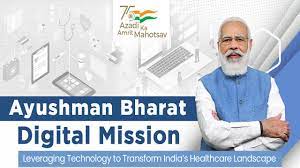
NEW DELHI — In a major push to modernise India’s primary healthcare infrastructure, Union Health Minister J.P. Nadda, alongside the National Health Authority (NHA) and the Centre for Development of Advanced Computing (C-DAC), officially launched “e-Sushrut Clinic” today, June 29, 2026. This lightweight, cloud-based Hospital Management Information System (HMIS) is debuting via a nationwide rollout tailored specifically for small outpatient clinics, primary health centres (PHCs), and health and wellness centres (HWCs). The initiative aims to systematically dismantle the financial and technical barriers that have long prevented smaller medical facilities from adopting digital record-keeping, streamlined billing, and integrated clinical decision support.
Key Developments: Affordable and Feature-Rich Digital Health
Developed through a strategic partnership between C-DAC and the NHA, the e-Sushrut Clinic platform is engineered to serve small clinics, sub-centres, and private outpatient facilities that operate outside the scope of massive corporate hospital IT frameworks.
Despite its lightweight design, the system introduces a robust suite of features:
-
Administrative Automation: Streamlined patient registration, point-of-sale billing, and automated Management Information System (MIS) reporting.
-
Advanced Clinical Tools: Integrated speech-to-text documentation to ease the administrative burden on doctors, alongside real-time clinical decision support features.
-
National Integration: Full compliance and integration with the Ayushman Bharat Digital Mission (ABDM) standards, linking clinics directly to India’s growing digital health ecosystem.
To incentivise rapid, widespread adoption, officials announced a highly subsidised pricing structure. The standard subscription is priced at ₹499 per month for up to five users. However, an NHA-C-DAC subsidy reduces the effective subscription cost to just ₹299 per month, with the first three months provided entirely free. For expanding practices, additional users can be added at a nominal cost of ₹50 per user per month.
What the System Offers and Why It Matters
For decades, small outpatient clinics have operated using manual, paper-based records or cost-prohibitive, fragmented proprietary software. This reliance on legacy systems frequently leads to administrative bottlenecks, prescription errors, and fragmented patient tracking.
[Manual/Paper Records] ──> High Admin Workload ──> Fragmented Patient Care
                                    │
                        (e-Sushrut Clinic Cloud HMIS)
                                    │
                                    ▼
[Digital Automation]  ──> Real-time Standards  ──> Seamless Continuity of Care
By transitioning routine administrative tasks to a streamlined cloud infrastructure, e-Sushrut Clinic drastically cuts down on manual workloads. Furthermore, because the platform natively aligns with ABDM standards, it utilizes national digital health identifiers. This interoperability ensures that when a patient moves from a rural primary clinic to a secondary or tertiary referral hospital, their basic clinical summary can move with them seamlessly, significantly improving continuity of care and eliminating redundant diagnostic testing.
To accommodate clinicians facing heavy daily patient volumes or those with varying levels of digital literacy, the built-in speech-to-text functionality allows doctors to dictate clinical notes seamlessly. The user interface is explicitly designed to require minimal technical expertise, lowering the barrier to entry for solo practitioners.
Expert Perspectives: Infrastructure and Implementation
While the medical community has reacted positively to the launch, independent experts emphasize that software deployment is only the first step in a complex digital transformation.
“An affordable, standards-based HMIS for primary and outpatient care can vastly improve public health reporting and continuity of care,” noted Dr. Anjali Mehra, a public health informatician not involved in the project. “However, the ultimate success depends on how thoroughly training, data privacy safeguards, and localized technical support are built into the actual deployment phase.”
Other experts point out that structural issues in rural clinics could impede software utility. Prof. R.K. Singh, an independent health systems researcher, highlighted that financial cost is rarely the sole roadblock to digitization.
“Many small clinics lack reliable internet access or the dedicated staff time required for continuous data entry,” Prof. Singh observed. “To truly realise the benefits of e-Sushrut Clinic, the system must feature robust offline capabilities, exceptionally simple workflows, and strong change management support to guide staff through the transition.”
Context, Background, and Public Health Implications
The rollout of e-Sushrut Clinic represents a logical next step in India’s overarching digital health agenda. Managed under the umbrella of the Ayushman Bharat Digital Mission, the ultimate goal is to create an interconnected network of electronic health records across both public and private healthcare sectors. Historically, constrained budgets and a lack of dedicated IT personnel have left rural and semi-urban primary care centres isolated, severely limiting national data collection regarding disease prevalence and treatment outcomes.
Bridging the “Urban-Rural Data Desert”
From a public health standpoint, widespread adoption of this cloud HMIS could fundamentally change chronic disease management. For conditions requiring long-term follow-up—such as hypertension and diabetes—digital registries enable clinics to track patient adherence, manage essential medicine inventories more accurately, and automate public health reporting. This includes streamlined data flow for national immunisation programs and real-time communicable disease surveillance.
By piping primary care data directly into national systems, public health officials can better allocate resources, effectively eliminating the “urban-rural data deserts” that currently mask the true burden of disease in remote communities. However, these equity gains are entirely dependent on stable rural internet connectivity and durable government subsidies that ensure the software remains affordable for the smallest healthcare providers over the long term.
Limitations, Counterarguments, and the Digital Divide
Despite its clear merits, critics warn that a cloud-only solution carries inherent vulnerabilities. In many remote regions of India, intermittent electricity and unstable internet connections remain a reality. Without an intelligent offline mode that captures data locally and syncs once a connection is re-established, the platform risks excluding the very facilities that need it most.
Furthermore, moving sensitive patient data to the cloud raises critical questions regarding data privacy and security. Centralised digital health records must be guarded by strict encryption protocols and clear user consent frameworks. Public health advocates argue that the government must publish transparent security standards and subject the platform to regular third-party security audits to maintain public and professional trust.
Practical Guide: What Clinics Should Look For
For medical practitioners considering transitioning to the e-Sushrut Clinic platform, evaluating several operational factors before onboarding is highly recommended:
-
Training and Support: Confirm what specific onboarding assistance, hands-on staff training, and ongoing local troubleshooting support are included in the subscription package.
-
Offline Functionality: Inquire about the system’s precise behavior during internet outages—specifically how data is cached locally, how manual backups are handled, and how automated syncing operates.
-
Data Governance: Request clear documentation regarding where patient data is hosted, who retains administrative access rights, the platform’s data retention policies, and how patient consent is digitally recorded and managed.
Clinical Use Case Example
Consider a small, private outpatient clinic operated by two physicians and a single receptionist. Under the new pricing model, the clinic can subscribe at the subsidised rate of ₹299 per month. During a standard operational day, the receptionist logs the patient digitally, and the doctor uses the integrated speech-to-text feature during the consultation to rapidly update the clinical record without halting the flow of care. At the end of the month, the system automatically generates an MIS report detailing pharmaceutical supply needs. If the patient eventually requires an upgraded referral, their clinical history can be instantly transferred to a regional hospital via ABDM identifiers, optimizing patient safety and continuity of treatment.
References
-
Economic Times / Government Section. “Govt to launch affordable cloud-based hospital management system for small clinics on Jun 29.” Published June 27, 2026.
Medical Disclaimer: This article is for informational purposes only and should not be considered medical advice. Always consult with qualified healthcare professionals before making any health-related decisions or changes to your treatment plan. The information presented here is based on current research and expert opinions, which may evolve as new evidence emerges.