 0
0
 0
0
CHANDIGARH — A Right to Information (RTI) disclosure has revealed a sophisticated price-gouging scheme at the Postgraduate Institute of Medical Education and Research (PGIMER), Chandigarh. A private chemist contracted to supply the prestigious public hospital systematically inflated the cost of essential medical consumables by pasting bogus Maximum Retail Price (MRP) stickers over original manufacturing labels. In one documented instance, an item procured for Rs 38 was relabelled with an MRP of Rs 410—a 978% markup—and sold to unsuspecting patients for Rs 205 under the guise of a 50% discount.
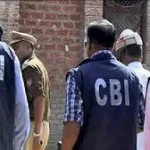
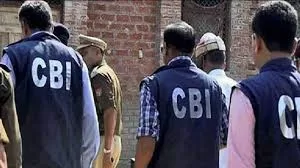
Following an internal investigation stimulated by continued RTI pressure, hospital administration terminated the chemist’s tender. The case, which has unraveled a wider Rs 1.14 crore private grant scam involving misappropriated patient-welfare funds, was officially referred to the Central Bureau of Investigation (CBI) and the Anti-Corruption Bureau for a full criminal inquiry.
The Anatomy of the Inflation Scheme
According to the RTI documents, the contracted vendor purchased a medical consumable known as “Innova Plast” at a wholesale price of Rs 38 per piece. Before retailing the item to patients within the hospital premises, the vendor applied counterfeit MRP labels listing the price as Rs 410. The item was then sold to patients for Rs 205.
While advertised as a substantial discount, the final price to the patient actually represented a 440% increase over the original supplier cost.
+-------------------------------------------------------------+
|                THE PRICE MANIPULATION BREAKDOWN             |
+------------------------------+------------------------------+
| Original Procurement Cost    | Rs 38                        |
+------------------------------+------------------------------+
| Counterfeit Altered MRP      | Rs 410                       |
+------------------------------+------------------------------+
| Price Charged to Patient     | Rs 205                       |
+------------------------------+------------------------------+
| Net Markup Over Actual Cost  | 978%                         |
+------------------------------+------------------------------+
The RTI response further established that the supplier repeatedly violated official tender terms. Public healthcare contracts typically dictate that empanelled chemists must provide fixed discounts—specifically, 15% on branded pharmaceuticals and 30% on generic medications—to ensure affordable care for patients utilizing public facilities. By artificially inflating the baseline MRP, the vendor managed to project an illusion of compliance with discount mandates while reaping illicit profit margins.
Wider Institutional Corruption Uncovered
The price-manipulation tactics are tied to a broader internal probe regarding a “private grant” scam at PGIMER. An institutional inquiry committee, originally established under the direction of Prof. Arun K. Aggarwal, uncovered a systematic diversion of hospital welfare funds totaling Rs 1.14 crore. These funds were explicitly earmarked to assist financially vulnerable patients who could not otherwise afford life-saving treatments or surgical consumables.
The internal probe revealed a web of administrative irregularities, including:
-
Missing financial ledgers and procurement files.
-
Unauthorized digital transactions executed outside standard operating procedures.
-
Active collusion between outsourced hospital staff, private vendors, and external individuals.
Yielding to sustained public scrutiny and subsequent RTI follow-ups, the Chief Vigilance Officer of PGIMER formally transferred the dossier to federal investigators on February 22, 2025, noting that the multi-layered fraud exceeded the scope of internal administrative discipline.
Expert Commentary on Procurement Vulnerabilities
Healthcare administration and consumer protection experts note that price manipulation of medical consumables represents a distinct and dangerous vector of healthcare fraud.
“Relabelling or repackaging medical consumables to display artificially high MRPs is a known fraud mechanism that exploits gaps in hospital inventory systems,” says an independent senior pharmacist with over two decades of hospital supply-chain experience, speaking on the condition of anonymity. “In large public institutions, oversight often focuses heavily on high-cost pharmaceutical drugs, leaving low-cost consumables and disposables vulnerable to manipulation.”
The expert emphasized that detecting these schemes requires rigorous, multi-layered verification processes. “To deter these malpractices, institutions must transition away from simple barcode scanning at point-of-sale and implement random physical audits that cross-reference billed MRPs directly against original wholesale supplier invoices.”
Public health governance experts point out that bogus discounts mask unlawful profiteering, making it appear as though vendors are honoring their tender terms. This superficial compliance complicates internal detection and highlights a systemic need for robust digital audit trails that track products from the manufacturer’s loading dock straight to the patient’s bill.
Implications for Public Health and Patient Trust
The systemic exploitation of procurement loopholes carries severe consequences for public health infrastructure and patient outcomes:
Direct Financial Harm
Inflated prices significantly increase out-of-pocket healthcare expenditure. For low-income families relying on public tertiary care centers like PGIMER, artificially inflated costs for basic surgical items can lead to catastrophic health expenditures or cause patients to delay or forego necessary medical interventions entirely.
Erosion of Institutional Trust
When fraudulent practices occur within a premier public healthcare setting, it erodes public trust in hospital governance. Institutional trust is a foundational pillar of public health; if patients believe they are being exploited, they may avoid utilizing essential public medical services, disrupting care continuity and undermining broader health initiatives.
Policy and Oversight Reform
This incident underscores an urgent need to reform how public hospitals manage third-party vendors. Experts argue that safeguarding public health requires absolute procurement transparency, independent oversight committees, transparent whistleblower channels, and strict digital logging of all patient-welfare grant allocations.
Limitations and Due Process
While the documentary evidence compiled in the RTI responses outlines severe administrative violations, legal experts emphasize that the current findings represent administrative and investigative actions rather than definitive judicial conclusions. The termination of the vendor’s tender and the subsequent referral to the CBI are preliminary steps within the legal framework; formal criminal culpability will require thorough judicial review and due process in a court of law.
Furthermore, PGIMER administrative officials have noted that detecting collusion across multiple institutional layers—encompassing outsourced temporary staff, external vendors, and private citizens—presents immense operational complexity in a facility that manages thousands of outpatient transactions daily. They maintain that systemic, technology-driven infrastructure overhauls are required alongside punitive measures to effectively prevent future vulnerabilities.
Practical Actions for Patients and Providers
To protect against billing discrepancies, healthcare consumers and hospital systems should adopt active verification strategies:
For Patients and Caregivers:
-
Itemized Invoices: Always request detailed, itemized pharmacy receipts for all surgical consumables, implants, and medications.
-
Price Verification: When feasible, cross-reference the printed MRPs of non-controlled consumables and disposables online or with independent suppliers.
-
Grievance Reporting: Promptly report any discrepancies, altered stickers, or suspicious pricing structures to the hospital’s internal grievance cell or medical superintendent.
For Healthcare Facilities:
-
Independent Audits: Establish recurring, unannounced audits of contracted private pharmacies by external, third-party financial auditors.
-
Invoice Matching: Implement mandatory protocols requiring random physical inspections of inventory to match delivered items against the manufacturer’s original master invoice.
-
Transparent Procurement: Publicly publish all active procurement policies, vendor tender agreements, and mandated discount schedules on the institutional website to ensure total transparency.
References
-
Media Source: The Economic Times — HealthWorld. (2026, June 28). “PGI scam: Chemist inflated Rs 38 item to Rs 410 with bogus labels.” Based on official Right to Information (RTI) disclosures.
- Medical Disclaimer: This article is for informational purposes only and should not be considered medical advice. Always consult with qualified healthcare professionals before making any health-related decisions or changes to your treatment plan. The information presented here is based on current research and expert opinions, which may evolve as new evidence emerges.