 0
0
 0
0
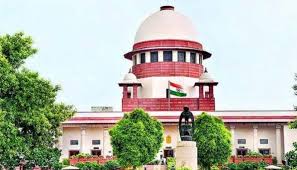
NEW DELHI — In a decisive ruling that resolves months of anxiety and legal paralysis for thousands of post-graduate medical aspirants, the Supreme Court of India has ordered the Tamil Nadu government to surrender 151 unfilled super-specialty medical seats back to the All India Quota (AIQ). A two-judge bench comprising Justices Pamidighantam Sri Narasimha and Alok Aradhe instructed the Medical Counselling Committee (MCC) to finalize the entire pending National Eligibility cum Entrance Test Super Specialty (NEET-SS) counselling process within a strict two-week timeframe.
The verdict, delivered on July 29, 2026, breaks a five-month administrative standstill. The dispute had left nearly 7,000 qualified specialist doctors across the country hanging in balance despite clearing the examination and paying mandatory counselling fees.
Key Developments: What the Court Ordered
The Supreme Court directed the Tamil Nadu state health ministry to formally notify the Directorate General of Health Services (DGHS) regarding the 151 vacant seats in Doctor of Medicine (DM) and Master of Chirurgiae (M.Ch.) advanced subspecialty programs. These seats—originally reserved under Tamil Nadu’s state-level in-service quota—remained unfilled during the current admission cycle and will now be integrated into the central, merit-based All India Quota pool.
┌──────────────────────────────────────────────────────────────────────────┐
│                     SUPREME COURT MANDATE AT A GLANCE                    │
├──────────────────────────────────────────────────────────────────────────┤
│  • Seats Restored: 151 DM/M.Ch. seats reverted to All India Quota        │
│  • Execution Window: MCC ordered to finish counselling in 14 days        │
│  • Cut-off Criteria: Round 2 to proceed using current percentile score   │
│  • Conditional Clause: 50% split if qualifying threshold is lowered      │
│  • Scope: Limited solely to Tamilvani & Ors. v. State of TN (No. 415/2026) │
└──────────────────────────────────────────────────────────────────────────┘
The bench mandated that Round 2 of counselling proceed using the established qualifying percentile threshold. Addressing potential future scenarios, the judges noted that if central authorities choose to lower the percentile criteria after Round 2, 50 percent of any newly created vacancies will revert back to Tamil Nadu, while the remaining 50 percent will be processed through subsequent central counselling rounds.
Importantly, the apex court clarified that the order in Tamilvani & Others vs State of Tamil Nadu is tailored specifically to resolve the immediate crisis and shall not serve as a binding judicial precedent for future academic years.
Background: Anatomy of the Deadlock
The conflict stems from Tamil Nadu’s policy reserving 50 percent of super-specialty seats in state-run medical colleges for in-service government doctors serving in state public health facilities. When 151 of these specialized positions remained unoccupied, non-service medical aspirants filed a writ petition under Article 32 of the Constitution requesting that the vacant seats be surrendered to the central pool rather than left empty.
         50% In-Service Quota Reserved in State Medical Colleges
                                   │
                                   ▼
                   151 Super-Specialty Seats Unfilled
                                   │
                                   ▼
          Petitions Filed in SC to Transfer Seats to Central AIQ Pool
                                   │
                                   ▼
         Review Pleas & Legal Delays Halt Round 2 (April–July 2026)
                                   │
                                   ▼
        SC Verdict (July 29, 2026): 151 Seats Restored to AIQ Pool
Although the apex court issued initial directions in May 2026 to notify the DGHS of the open seats, the state government subsequently filed a review petition in June. Tamil Nadu officials cited restrictive service bond conditions, mandatory post-degree rural service requirements, and modest financial incentives as primary factors discouraging state medical officers from opting for these seats.
The court ultimately grounded its resolution in its 2022 landmark N. Karthikeyan ruling, which established that unfilled state quota seats must be surrendered to the national pool once the local admission process concludes, ensuring that public medical training capacity is fully utilized.
Reaction from the Medical Community
The verdict drew immediate response from healthcare associations and medical education advocates. The Tamil Nadu Medical Officers Association (TNMOA) sharply criticized state administrators, stating that flawed legal strategy and administrative oversight led to the forfeiture of 151 advanced medical training seats.
“This situation is entirely the result of administrative and legal missteps,” the TNMOA stated in an official release. “It represents a loss of 151 future super-specialists who would have otherwise strengthened public healthcare infrastructure and provided advanced subspecialty care to patients across the state.”
Conversely, national physician bodies welcomed the clarity. The Federation of All India Medical Association (FAIMA) urged central authorities to act without delay:
“Thousands of specialist doctors have already waited for months without job stability. Every additional day of delay directly impacts both physician career progression and patient care standards in tertiary hospitals.”
Revised Counselling Timeline
With legal hurdles cleared, the MCC is preparing to resume Round 2 procedures. The central seat matrix has been updated to accommodate the 151 restored seats, alongside minor adjustments reflecting 18 newly added positions and 1 deleted seat across participating institutions.
| Counselling Stage | Original Schedule | Updated Status |
| Round 1 Counselling | March 10–25, 2026 | Completed |
| Round 2 Registration | Opened March 28, 2026 | Reopened / Window Active |
| Choice Filling & Locking | Suspended April 2026 | Resuming Immediately |
| Seat Matrix Revision | April 2026 | Updated (+151 TN seats restored) |
| Seat Allotment Results | Stalled | Expected Within Days |
| Final Joining & Closure | Postponed | 14-Day Strict Deadline |
Implications for Public Health and Medical Workforce
Super-specialty medical education represents the pinnacle of clinical training in India, preparing doctors in complex disciplines including surgical oncology, cardiology, pediatric neurology, and nephrology. The National Medical Commission (NMC) has repeatedly highlighted that India faces a structural deficit of subspecialist clinicians to address the growing non-communicable disease burden.
       ┌─────────────────────────────────────────────────────────────┐
       │             PUBLIC HEALTH IMPACT OF SUPER-SPECIALISTS       │
       ├─────────────────────────────────────────────────────────────┤
       │  • Advanced Care: Expands tertiary capacity for NCDs         │
       │  • Hospital Operations: Restores senior resident coverage   │
       │  • Clinical Pipeline: Adds 151 specialists within 3 years   │
       │  • System Continuity: Prevents gaps in clinical training    │
       └─────────────────────────────────────────────────────────────┘
Restoring these 151 seats ensures that capacity in state-of-the-art academic departments is not wasted. Beyond academic advancement, DM and M.Ch trainees serve as senior resident physicians in teaching hospitals, handling complex surgeries and intensive care units. Delays in their enrollment disrupt residency rotas, placing heavier workloads on existing staff and impacting bedside clinical care.
Limitations and Systemic Challenges
While the judicial intervention resolves the current impasse, healthcare policy experts note several persistent structural issues:
-
State vs. Central Frameworks: The friction between state-level doctor retention policies (like in-service quotas) and national merit allocation systems remains unaddressed at a systemic level.
-
Non-Precedential Ruling: By explicitly stating that this decision does not serve as a precedent, the Supreme Court left the door open for similar quota disputes in upcoming admission cycles.
-
Compressed Administrative Schedule: Executing choice locking, document verification, fee processing, and physical reporting across dozens of medical colleges within 14 days poses significant logistical hurdles for both candidates and college administrations.
Action Plan for Qualified Candidates
For the nearly 7,000 NEET-SS qualified doctors awaiting admission, the MCC recommends taking immediate administrative steps:
-
Monitor Official Communication: Check
mcc.nic.indaily for exact hour-by-hour schedules for Round 2 choice filling. -
Review Seat Matrix Updates: Verify newly added DM and M.Ch options across participating institutions.
-
Prepare Documentation: Ensure all post-graduate degree certificates, registration details, and service clearance certificates are organized for rapid physical verification.
-
Utilize Reset Registration Options: Candidates seeking to modify preferences should take advantage of the active registration reset facility before the choice locking portal closes.
Medical Disclaimer: This article is for informational purposes only and should not be considered medical advice. Always consult with qualified healthcare professionals before making any health-related decisions or changes to your treatment plan. The information presented here is based on current research and expert opinions, which may evolve as new evidence emerges.
References
- https://medicaldialogues.in/news/education/medical-admissions/neet-ss-2025-admission-deadlock-ends-sc-orders-tamil-nadu-to-restore-151-seats-mcc-to-complete-counselling-in-2-weeks-175983