 1
1
 0
0
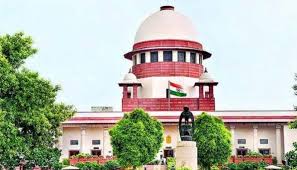
NEW DELHI — In a move that prioritizes institutional discipline over seat occupancy, the Supreme Court of India has dismissed a petition seeking an emergency “stray round” of counselling to fill 1,140 vacant postgraduate medical seats. The ruling reinforces the National Medical Commission’s (NMC) strict deadline, which mandated that all admissions for the NEET-PG 2025 academic cycle must conclude by February 28, 2026.
The decision leaves over a thousand specialist-training positions unfilled for the year, sparking a nationwide debate among healthcare educators and policy analysts regarding the efficiency of India’s medical seat allocation system and the potential impact on the country’s specialist workforce.
The Push for a “Special Stray” Round
The legal challenge was brought forward by a group of qualified NEET-PG candidates who found themselves without placements after the conclusion of the final All-India stray vacancy round. These candidates argued that the 1,140 seats—spanning MD, MS, PG-diploma, and DNB courses—represented a “national loss” of medical expertise.
The petitioners supported their claims with data recently tabled in the Rajya Sabha, where the Union Ministry of Health and Family Welfare acknowledged the vacancies. They requested that the Court permit either a “special stray” round or allow individual institutions to fill their own vacancies to ensure that valuable specialist training slots did not go to waste.
Judicial Stance: Finality Over Flexibility
A Supreme Court bench, comprising Justice P.S. Narasimha and Justice Alok Aradhe, remained unmoved by the plea for leniency. The Court held that the counselling schedule had attained finality and that altering it at this late stage would jeopardize the academic calendar.
The ruling effectively upholds an earlier NMC notice which warned that any admissions made after the February 28 deadline would be considered unauthorized. The judges noted that the established multi-round process—which included an expansion of the candidate pool—provided ample opportunity for seat allocation. By refusing the petition, the Court signaled that administrative predictability is essential to the integrity of the medical education system.
The Scale of the Vacancy
The 1,140 vacant seats exist despite unprecedented efforts by the government to fill them. For the 2025 cycle, the qualifying percentile was lowered dramatically:
-
Unreserved Category: Shifted to “above the 7th percentile.”
-
Reserved Categories (SC/ST/OBC): All candidates were deemed eligible for counselling.
While this expansion significantly widened the pool of eligible doctors, it failed to bridge the gap completely. However, context is key: the 1,140 figure is a sharp decline from the 9,600 seats that were vacant after the second round of counselling, suggesting the system absorbed the vast majority of candidates before hitting this final plateau.
Why Do Seats Remain Empty?
If there are thousands of doctors and a shortage of specialists, why do seats go unfilled? Experts point to a complex “mismatch” in the medical labor market.
“We see a heavy concentration of interest in ‘top-tier’ specialties like Radiology, Dermatology, and General Medicine,” explains Dr. Pankaj Gupta, a senior medical faculty member in Delhi. “Conversely, seats in rural institutions or less popular specialties—such as Anatomy or certain Diploma courses—often see fewer takers, even when the eligibility bar is lowered.”
Other contributing factors include:
-
Seat Blocking: Candidates holding a seat while waiting for a better option, then failing to join.
-
Logistical Hurdles: Missing document verification deadlines or failing to report to colleges in remote areas.
-
Financial Constraints: The high cost of private medical education compared to government-funded seats.
Expert Perspectives: Systemic Gaps vs. Discipline
The ruling has divided the medical community. Some see it as a necessary evil to keep the academic year on track, while others view it as a missed opportunity for public health.
“If we keep opening new rounds ad hoc, the calendar slips further, creating a domino effect that affects faculty schedules and hospital staffing,” says a medical education administrator who requested anonymity. “A fixed deadline brings necessary finality.”
However, public health policy researchers argue that the “reactive” nature of lowering cut-offs doesn’t solve the underlying issue. They suggest that unless the government addresses stipend levels and career-progression pathways in “less-popular” specialties, the same vacancies will appear year after year.
Implications for Public Health
The unfilled seats represent more than just empty desks; they represent a delay in addressing India’s specialist doctor shortage. These 1,140 potential specialists could have served in areas like obstetrics, pediatrics, and psychiatry—fields where the public health system is currently strained.
While 1,140 seats is a small fraction of the 52,000+ total PG seats nationwide, the cumulative effect of annual vacancies can slow the progress toward meeting doctor-to-patient ratio targets, particularly in underserved districts.
What This Means for Future Candidates
For future NEET-PG aspirants, the Supreme Court’s firm stance serves as a critical reminder:
-
Deadlines are Sacrosanct: Do not rely on judicial intervention to extend admission windows.
-
Strategic Choice Filling: Candidates must balance their specialty preferences with the reality of seat availability.
-
Documentation Readiness: Ensure all administrative requirements are met well in advance of the stray rounds.
Quality Checklist Summary
-
Evidence-Based: Data sourced from Rajya Sabha and NMC official notices.
-
Objectivity: Presents both the Court’s need for discipline and the candidates’ plea for seat utilization.
-
Clarity: Defines “stray rounds” and “percentile cut-offs” within the context of the admission cycle.
References
-
LiveLaw. (2026, April 16). NEET-PG 2025 | Supreme Court Dismisses Plea Seeking Special Stray Vacancy Counselling Round.
Medical Disclaimer: This article is for informational purposes only and should not be considered medical advice. Always consult with qualified healthcare professionals before making any health-related decisions or changes to your treatment plan. The information presented here is based on current research and expert opinions, which may evolve as new evidence emerges.