 0
0
 0
0
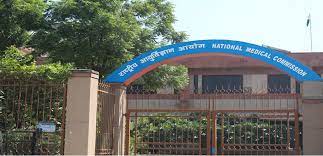
In a landmark decision that promises to reshape India’s cardiovascular healthcare landscape, the National Medical Commission (NMC) has officially granted recognition to the Post Graduate Diploma in Clinical Cardiology (PGDCC). The diploma, offered by the Indira Gandhi National Open University (IGNOU), has been redesignated as Clinical Cardio Physician (Non-Invasive), or PGDCCP (NI).
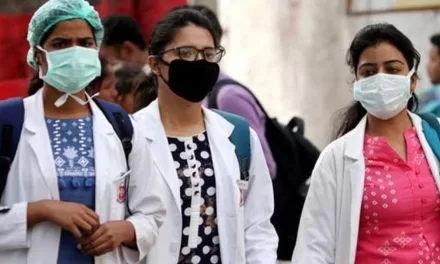
This regulatory breakthrough concludes a nearly two-decade struggle involving legal advocacy and policy debates. The recognition effectively validates the credentials of over 1,700 medical professionals, clearing the path for their deployment into India’s underserved rural and semi-urban regions. As cardiovascular diseases (CVDs) continue to claim lives at an alarming rate across the subcontinent, this move is being hailed by experts as a critical step toward bridging the massive gap in cardiac specialty care.
A Two-Decade Quest for Validation
The PGDCC program was launched in 2005 through a collaboration between the Ministry of Health and Family Welfare and IGNOU. Designed as a rigorous, two-year full-time residency for MBBS graduates, the curriculum focused on non-invasive clinical cardiology. Students were trained in essential skills such as echocardiography, ECG interpretation, and emergency cardiac management across 77 accredited hospitals nationwide.
Despite its practical success, the program hit a regulatory wall in 2013 when the now-defunct Medical Council of India (MCI) refused to recognize the qualification. The MCI cited technicalities, including a lack of prior permission under Section 10A of the IMC Act and issues with the course nomenclature. This left over 1,700 highly trained doctors in a professional limbo for years.
The tide began to turn in 2016 when the Indian Association of Clinical Cardiologists (IACC) filed a writ petition in the Delhi High Court. In a 2019 ruling, the court quashed the MCI’s stance, noting that IGNOU programs did not require the same prior central approvals as traditional medical colleges. After further reviews and advocacy, the NMC has finally aligned with the court’s sentiment, granting the long-awaited official status.
Addressing India’s “Broken Heart” Statistics
The urgency of this recognition is underscored by a sobering reality: cardiovascular diseases account for nearly 28% of all deaths in India. Ischemic heart disease and stroke are the primary drivers, with mortality rates in India significantly exceeding global averages.
While India’s population stands at 1.4 billion, the country is serviced by only an estimated 4,000 to 6,000 active cardiologists. Projections from health organizations suggest a requirement of at least 88,000 specialists to meet the current burden of disease.
“The cardiologist shortage is aggravated by geographic imbalance, with a majority concentrated in large urban centers,” says Dr. Rakesh Gupta, Director and Chief Cardiologist at the JROP Institute of Echocardiography.
This urban-centric concentration leaves rural populations—where the majority of Indians reside—with virtually no access to early cardiac screening. By the time a patient from a remote village reaches a tertiary care center in a metro city, their condition is often advanced, leading to higher treatment costs and poorer outcomes.
The Role of the Non-Invasive Specialist
The newly recognized Clinical Cardio Physicians (Non-Invasive) are not intended to replace interventional cardiologists who perform complex surgeries or stent placements. Instead, they serve as a vital first line of defense.
“Delayed diagnosis at the primary care level often leads to higher mortality and increased treatment costs while placing additional pressure on tertiary hospitals,” explains Kapil Khanna, National President of the IACC.
By specializing in non-invasive techniques, these 1,700+ doctors can manage stable angina, monitor heart failure, and use echocardiography to detect valvular issues long before they become life-threatening.
Dr. Sameer Mehta, a cardiologist at Fortis Escorts Heart Institute not involved with the IGNOU program, views the move as a pragmatic solution. “Non-invasive specialists can handle 70-80% of routine cardiac cases,” Dr. Mehta told Health News Portal. “This frees up DM (Doctorate of Medicine) cardiologists to focus on high-stakes interventions. However, strict quality control via periodic inspections remains crucial to ensure these practitioners meet super-specialty standards.”
Implications for Public Health and Patients
For the general public, particularly those living outside major metropolitan areas, this decision translates to better accessibility. Recognition allows these doctors to hold government positions in District Hospitals and Community Health Centres (CHCs).
What this means for you:
-
Faster Screenings: Patients can receive specialized cardiac evaluations (like “echo” scans) closer to home.
-
Preventive Care: Early detection of hypertension or arrhythmias can lead to lifestyle interventions, such as the DASH (Dietary Approaches to Stop Hypertension) diet, potentially preventing heart attacks.
-
Cost Efficiency: Local specialized care reduces the need for expensive travel to urban centers for routine check-ups.
For healthcare professionals, the PGDCCP (NI) provides a viable alternative to the hyper-competitive MD/DM pathways, allowing MBBS doctors to specialize in a field with a desperate need for manpower.
Challenges and the Path Ahead
Despite the celebratory mood, the transition faces logistical hurdles. Graduates from the 2006–2013 batches must have their certificates reissued under the new “Clinical Cardio Physician (Non-Invasive)” nomenclature.
Critics have previously pointed out that the program lacked a mandatory thesis requirement—a staple of DNB and MD courses. While the courts ruled this was not a prerequisite for a diploma, the medical community remains watchful. There are also concerns regarding “scope creep,” where non-invasive specialists might feel pressured to perform invasive procedures they aren’t trained for.
“Without ongoing audits, any move into invasive work risks patient safety,” cautions Dr. Mehta. Ensuring that these physicians stay within their defined scope of practice will be essential for the program’s long-term credibility.
Future Outlook: A Model for Other Specialties?
The NMC’s decision reflects a shift toward a more practical, “need-of-the-hour” approach to medical education in India. With IGNOU expected to potentially revive admissions for new batches, the country could soon be training hundreds of additional cardiac physicians annually.
As India continues its push for universal health coverage under initiatives like Ayushman Bharat, the integration of PGDCCP (NI) doctors into the public health framework could serve as a blueprint for addressing shortages in other specialties, such as nephrology or neurology.
For now, the recognition serves as a heartbeat of hope for 1,700 doctors and the millions of patients they are now officially empowered to serve.
Reference Section
-
Study/News Citation: Economic Times Health. “NMC grants recognition to PGDCC cardiology diploma after two decade wait.” April 29, 2026. [DOI/Link: https://health.economictimes.indiatimes.com/news/policy/nmc-grants-recognition-to-pgdcc-cardiology-diploma-after-two-decade-wait/130608779]
Medical Disclaimer: This article is for informational purposes only and should not be considered medical advice. Always consult with qualified healthcare professionals before making any health-related decisions or changes to your treatment plan. The information presented here is based on current research and expert opinions, which may evolve as new evidence emerges.