 0
0
 0
0
DUBAI/GENEVA — A critical bottleneck in global humanitarian logistics has left life-saving medical supplies destined for Africa’s most vulnerable regions stranded in Middle Eastern warehouses, as the escalating conflict in Iran paralyzes key shipping routes.
Aid officials issued a stark warning on March 27, 2026, revealing that emergency cholera kits—essential for preventing mass casualties during the upcoming rainy season—are currently stuck in Dubai. With the Strait of Hormuz effectively closed following weeks of military strikes and retaliatory attacks, the World Health Organization (WHO) and the International Federation of the Red Cross (IFRC) are now scrambling to find costlier alternatives to prevent an “explosive” health crisis in nations like Chad, Sudan, and South Sudan.
A Logistics Crisis in a War Zone
The disruption stems from the rapid escalation of the Iran conflict, which began in late February 2026. U.S.-Israeli strikes and subsequent Iranian retaliatory measures have turned the Strait of Hormuz—a maritime chokepoint responsible for 20% of global oil and a primary artery for humanitarian cargo—into a high-risk combat zone.
According to maritime reports, Iranian forces have conducted over 21 attacks on merchant vessels, leading to a 70% reduction in tanker traffic. Most commercial shipping has been forced to reroute around Africa’s Cape of Good Hope, a detour that adds several weeks to delivery times and astronomical costs to freight.
In Dubai, a central global hub for humanitarian aid, the consequences are visible in rows of undistributed cargo. These contingency cholera kits are essentially “mini field hospitals” in a box. Each kit contains:
-
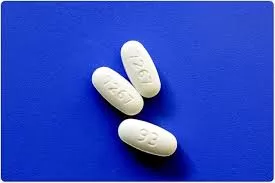
Intravenous (IV) fluids and oral rehydration salts (ORS)
-
Medical-grade antibiotics
-
Water chlorination supplies and hygiene tools
-
Personal protective equipment (PPE) for healthcare workers
“We don’t know if the kits will come in time,” said Danielle Brouwer, IFRC logistics coordinator. “It will be more costly and delayed.” Brouwer noted that air freight costs have already surged by 70% as aid agencies compete with commercial entities for limited cargo space.
The Race Against the Rain
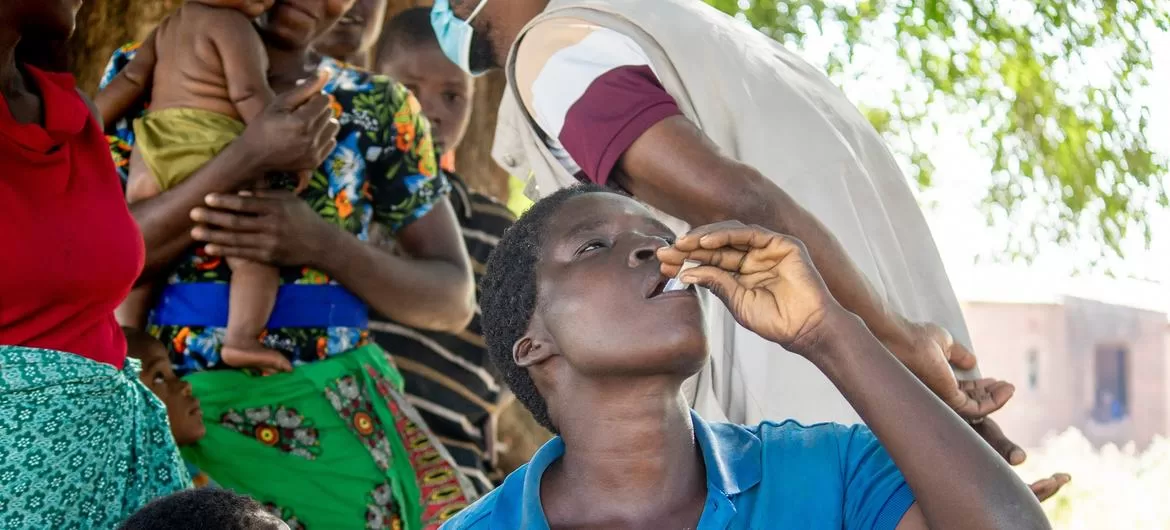
The timing of this logistical paralysis could not be worse. Africa is currently entering a precarious window; the rainy season is expected to begin in May. In many African nations, seasonal flooding overwhelms fragile sanitation systems, washing fecal matter into drinking water sources—the primary driver of cholera outbreaks.
Cholera is an acute diarrheal infection caused by ingesting contaminated food or water. While preventable and treatable, it remains a “disease of inequity,” hitting hardest in areas with poor infrastructure.
“A disruption of the supply chain will have dramatic consequences because we’re talking about an explosive disease,” warned Lorenzo Pezzoli, the WHO’s lead for epidemic bacterial diseases. “If you don’t have the time or the resources to control it in a matter of days or even hours, you would have extreme contamination.”
The Toll in Numbers
The current crisis follows a devastating 2025, which saw:
-
600,000+ cases across 34 African nations.
-
8,000 confirmed deaths.
-
A Case Fatality Rate (CFR) of 1.9% to 2.2%, significantly higher than the <1% target set by global health bodies.
While overall cases in early 2026 are down roughly 50% compared to last year, regional “hotspots” remain a major concern. In Southern Africa, cases exploded sevenfold in early February due to cyclones in Mozambique that displaced over 700,000 people.
Regional Vulnerabilities: Chad and Sudan
The standoff in Dubai is felt most acutely in eastern Chad. The Ouaddai province is currently home to hundreds of thousands of refugees fleeing the civil war in neighboring Sudan. While Chad has not yet reported a major outbreak in 2026, health officials warn that current stocks are only sufficient to treat 100 patients—a negligible amount for a refugee population of that scale.
Dr. Maria Rodriguez, an independent epidemiologist and former Médecins Sans Frontières (MSF) specialist in Sudan, emphasized the human cost of these delays. “These delays aren’t abstract; they’ve meant unnecessary deaths before,” Rodriguez told Health News Portal. “Cholera kills via dehydration in hours. Without these kits, local stocks vanish fast. The upcoming rainy season will be a tinderbox.”
In Sudan and South Sudan, ongoing internal conflicts have already gutted the healthcare infrastructure. A single untreated case in a crowded displacement camp can trigger a geometric rise in infections within 48 hours.
Counterarguments and Alternative Strategies
Despite the dire warnings, some data points offer a glimmer of hope. The WHO notes that the 50% decrease in continent-wide cases compared to 2025 suggests that previous vaccination campaigns and infrastructure improvements are showing resilience.
Additionally, aid groups are attempting to pivot by:
-
Local Procurement: Buying rehydration salts and chlorine from regional markets within Africa.
-
Strategic Airlifts: Utilizing high-cost charter flights to bypass the Strait of Hormuz.
-
Local Manufacturing: Advocates like Dr. Yap Boum II of the Africa CDC argue this crisis underscores the need for Africa to produce its own medicines. Currently, countries like Chad produce almost no domestic pharmaceuticals, leaving them entirely at the mercy of global shipping lanes.
However, local procurement often faces challenges regarding quality control and insufficient quantities, and building domestic manufacturing capacity is a multi-year endeavor that cannot solve the immediate 2026 threat.
What This Means for Public Health
The crisis illustrates the “butterfly effect” of modern geopolitics: a conflict in the Middle East can directly lead to a child’s death from dehydration in a Chadian refugee camp.
For the general public and health-conscious consumers, this development highlights the fragility of the global health safety net. Experts suggest that global health security requires more than just medical breakthroughs; it requires protected humanitarian corridors and decentralized stockpiles that are not reliant on a single geographic chokepoint.
Practical Advice for At-Risk Areas:
In the absence of large-scale medical kits, public health officials emphasize basic “WASH” (Water, Sanitation, and Hygiene) protocols:
-
Water Safety: Boiling water or using household bleach (where appropriate and guided) for disinfection.
-
Sanitation: Rigorous handwashing with soap, especially before food preparation.
-
Early Detection: Seeking immediate care at the first sign of watery diarrhea, as early rehydration is the difference between life and death.
As May approaches, the international community remains in a high-stakes waiting game. The ability to move these supplies from Dubai to the African interior will likely determine whether the 2026 rainy season is a manageable seasonal challenge or a humanitarian catastrophe.
Medical Disclaimer: This article is for informational purposes only and should not be considered medical advice. Always consult with qualified healthcare professionals before making any health-related decisions or changes to your treatment plan. The information presented here is based on current research and expert opinions, which may evolve as new evidence emerges.
References
- https://www.reuters.com/business/healthcare-pharmaceuticals/cholera-aid-african-countries-stalled-by-iran-conflict-2026-03-27/