 0
0
 0
0
JOHANNESBURG — In a landmark development for continental biosecurity and agricultural stability, South Africa has officially released its first locally produced foot-and-mouth disease (FMD) vaccine in nearly 20 years. The announcement, made on February 7, 2026, marks a decisive pivot from reactive crisis management to a proactive, science-led strategy aimed at reclaiming the nation’s standing in the global livestock market.
Minister of Agriculture John Steenhuisen, joined by representatives from the Agricultural Research Council (ARC), confirmed the release of an initial batch of 12,900 doses. With production facilities scaling rapidly, officials expect output to reach 20,000 doses per week by March.
While FMD is primarily an animal health crisis, its implications for human nutrition, economic stability, and the “One Health” framework—which recognizes the interconnection between people, animals, and their shared environment—are profound.
A Strategic Shield Against Economic Contagion
Foot-and-mouth disease is a highly contagious viral illness affecting cloven-hoofed animals, including cattle, pigs, sheep, and goats. While it is rarely fatal in adult animals, the virus causes debilitating sores on the mouth and feet, leading to severe production losses, decreased milk yield, and long-term vitality issues.
For South Africa, the stakes are not merely clinical; they are financial. The World Organisation for Animal Health (WOAH) suspended South Africa’s FMD-free status following outbreaks in recent years, a move that severely restricted the country’s ability to export red meat and dairy products.
“This is more than a medical milestone; it is an economic imperative,” Minister Steenhuisen stated during the press briefing. “By reducing our reliance on foreign suppliers, we are securing our frontline defense and taking a significant step toward regaining our FMD-free status.”
The Science of the Surge
The new vaccine, developed and produced by the ARC, targets the specific serotypes endemic to the region. FMD is notorious for its complexity; there are seven known serotypes (O, A, C, SAT 1, SAT 2, SAT 3, and Asia 1), each requiring a specific vaccine strain for effective protection.
The South African-produced vaccine focuses on the “SAT” (South African Territories) strains, which are frequently carried by African buffalo. While buffalo remain asymptomatic carriers, they can transmit the virus to domestic livestock, particularly in areas where wildlife and farming regions overlap.
Expert Perspectives: A “One Health” Victory
Independent experts view the move as a critical step toward regional vaccine “sovereignty.”
“For two decades, the Southern African Development Community (SADC) has navigated supply chain vulnerabilities,” says Dr. Elena Mwangi, a veterinary epidemiologist not involved in the ARC project. “Relying on international shipments often leads to delays during an active outbreak. Local production means the ‘cold chain’ is shorter, and the vaccine is tailored to the exact viral strains circulating in our local soil.”
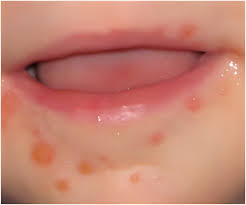
However, medical professionals also emphasize the importance of public education regarding the virus’s impact on humans. While FMD is an animal disease, it is frequently confused with “Hand, Foot, and Mouth Disease” (HFMD), a common human childhood illness caused by the Coxsackievirus.
Clarification: Foot-and-Mouth Disease (FMD) does not readily infect humans. It is a livestock-specific virus. The blisters and fevers seen in children are typically HFMD, which is unrelated to the agricultural pathogen.
Public Health and Food Security
The implications of this vaccine extend to the dinner table. Livestock diseases often lead to “protein inflation”—where the cost of meat and dairy spikes due to supply shortages. By stabilizing herds through vaccination, South Africa aims to protect the food security of its most vulnerable populations.
“When a small-scale farmer loses the productivity of their cattle, it isn’t just a business loss; it’s a loss of their primary source of nutrition and capital,” notes Dr. Mwangi.
Challenges and Counterarguments
Despite the optimism, some industry analysts urge caution. Producing the vaccine is only the first step; the logistical challenge of “last-mile” delivery remains.
-
Distribution Logistics: Reaching remote, rural herds requires a robust infrastructure.
-
Vaccine Hesitancy: Just as in human medicine, some livestock owners may be wary of new formulations.
-
Viral Mutation: FMD viruses mutate rapidly, meaning the ARC must maintain constant surveillance to ensure the vaccine remains effective against emerging strains.
The Path Ahead
The ARC has already begun mapping out a distribution schedule to prioritize high-risk “red-line” zones where livestock frequently interact with wildlife. By March, the ramp-up to 80,000 doses per month could provide enough coverage to begin the rigorous application process for WOAH certification.
For the average consumer, this development suggests a future of more stable food prices and a more resilient agricultural sector. For the healthcare professional, it represents a successful application of the “One Health” initiative—protecting the economy and animal welfare to ultimately safeguard human society.
Medical Disclaimer
This article is for informational purposes only and should not be considered medical advice. Always consult with qualified healthcare professionals before making any health-related decisions or changes to your treatment plan. The information presented here is based on current research and expert opinions, which may evolve as new evidence emerges.
References
South Africa releases first locally produced FMD vaccine in 20 years