 0
0
 0
0
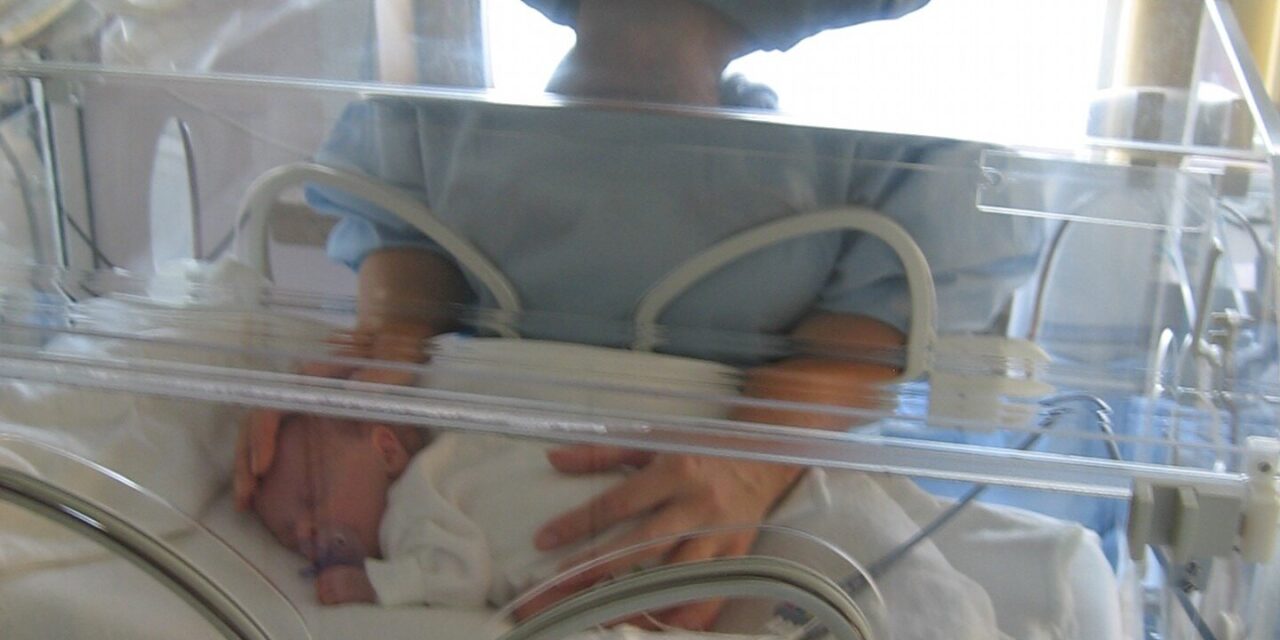
JAIPUR, INDIA — A clinical scoring system administered at the bedside could provide neonatal intensive care units (NICUs) with a powerful tool to identify high-risk premature and low-birth-weight newborns within hours of birth. A study conducted on 181 infants at JK Lone Hospital in Jaipur, reported by The Tribune in July 2026, demonstrates that the Clinical Risk Index for Babies II (CRIB-II) effectively helps clinicians stratify risk early, allowing for accelerated medical interventions and more efficient triage in resource-constrained environments.
Prematurity remains a staggering global health crisis. According to the World Health Organization (WHO), complications from preterm birth are the leading cause of death among children under five years old. In India alone, an estimated 600,000 newborns died in 2018 due to prematurity, infections, and birth complications. Crucially, the WHO estimates that up to 80% of these neonatal deaths are entirely preventable with timely, evidence-based care. The findings from Jaipur add to a growing body of medical literature suggesting that standardized, objective risk assessment tools can significantly improve survival rates by optimizing clinical decision-making during the “golden hour” after delivery.
Predicting Mortality Better Than Weight Alone
The research team in Jaipur evaluated newborns with an average gestational age of 28.88 weeks and an average birth weight of 1.01 kilograms—parameters well below standard full-term baselines. To assess risk, clinicians calculated each infant’s CRIB-II score immediately upon admission. CRIB-II is a simple, five-variable clinical tool that computes risk based on:
-
Birth weight
-
Gestational age
-
Admission body temperature
-
Blood acid levels (base excess)
-
Biological sex
The study revealed a direct correlation between higher CRIB-II scores and an increased probability of mortality. By providing an immediate, quantifiable measure of a newborn’s physiological distress, the score enabled the medical team to quickly identify which infants required immediate, aggressive resuscitation or urgent transfer to higher-level tertiary care facilities.
This utility aligns with prior peer-reviewed research. A 2021 study indexed in PubMed demonstrated that the CRIB-II score predicts neonatal mortality with greater statistical accuracy than relying on birth weight or gestational age alone. Furthermore, a 2019 study published in the journal Neonatology found that CRIB-II could also help predict major neurodevelopmental impairments in very low-birth-weight infants by 36 months of corrected age.
Maximizing Resources in Crowded NICUs
For healthcare providers operating in high-volume or under-resourced medical centers, the practical implications of a reliable bedside score are substantial. When NICU beds, mechanical ventilators, and specialized nursing staff are limited, objective triage tools are vital.
Dr. Yogesh Yadav, a pediatric specialist involved in the Jaipur study, emphasized the tool’s clinical value in an interview with The Tribune. Dr. Yadav noted that calculating the CRIB-II score at admission gives medical teams an immediate, objective understanding of an infant’s physiological fragility. He highlighted that the tool is particularly indispensable when infrastructure is strained, as it removes subjectivity from the triage process, ensuring that the sickest newborns are prioritized for critical infrastructure.
Beyond resource allocation, researchers note that structured scores improve clinical communication. Having a standardized numerical baseline helps neonatologists explain complex prognostic realities to anxious families, introducing transparency into why a specific infant may require more invasive monitoring or aggressive therapy than another.
Balancing Population Metrics with Individual Care
Despite the promising data, neonatal experts urge caution regarding how these metrics are applied at the bedside. Independent researchers emphasize that scoring systems are designed for population-level risk stratification and benchmarking outcomes across different NICUs, rather than acting as an absolute crystal ball for an individual child’s future.
Medical screening tools possess inherent limitations, and the Jaipur study is no exception:
-
Single-Center Design: The study was confined to 181 babies at a single institution, meaning the findings may not seamlessly generalize to regional hospitals with different baseline demographics or operational capacities.
-
Methodological Nuances: The preliminary report published in the International Journal of Paediatric Research omitted certain complex statistical details, such as exact confidence intervals and external validation metrics.
-
Context Dependency: A predictive score’s real-world accuracy can fluctuate based on local variables, including institutional nurse-to-patient ratios, baseline tracking of healthcare-associated infections, and regional referral patterns.
“Predictive scores are invaluable guardrails, but they are designed to support clinical judgment, not replace it,” notes the broader medical consensus in neonatal research reviews. “A score can estimate statistical probability, but it cannot replace the nuanced, continuous physical assessment of an experienced bedside nurse or neonatologist.”
The Next Generation of Neonatal Triage
The CRIB-II data reflects a broader, international transition toward data-driven and biological tools in neonatal medicine. As technology evolves, researchers are looking beyond basic physical metrics to map an infant’s risk profile.
For example, a landmark January 2026 study led by Stanford University researchers and published in Science Translational Medicine utilized deep learning algorithms to analyze dried blood spot metabolite profiles from 13,536 newborn screening samples. When externally validated in 3,299 very premature infants in Canada, this “metabolic health index” successfully captured critical risk signals entirely independent of traditional metrics like weight and gestational age.
Concurrently, other centers are evaluating noninvasive bedside technologies, such as artificial intelligence-driven cardiorespiratory monitors and optical spectroscopy, to catch devastating complications like sepsis or necrotizing enterocolitis (a severe intestinal disease affecting preemies) hours before visible symptoms manifest.
What This Means for Families and Providers
For expectant parents navigating the anxieties of a high-risk pregnancy or premature delivery, these advancements provide reassurance that modern NICUs are increasingly equipped to catch complications early. The core takeaway is that structured tools allow doctors to act with maximum speed during the critical first hours of life.
For frontline clinicians, the CRIB-II score serves as a validated, rapid triage aid that complements traditional clinical exams. For public health policymakers, the research underscores a fundamental systemic truth: early risk detection tools are only as effective as the healthcare infrastructure supporting them. A bedside score can flag a critically ill newborn in minutes, but reducing neonatal mortality ultimately depends on ensuring that robust referral pathways, adequate staffing, and fully equipped intensive care beds are available to receive them.
Medical Disclaimer
Medical Disclaimer: This article is for informational purposes only and should not be considered medical advice. Always consult with qualified healthcare professionals before making any health-related decisions or changes to your treatment plan. The information presented here is based on current research and expert opinions, which may evolve as new evidence emerges.
References
- https://www.tribuneindia.com/news/rajasthan/doctors-find-new-tool-to-detect-health-risks-in-premature-newborns/