 0
0
 0
0
AHMEDABAD – In a landmark case that has sent ripples through the international security and public health communities, India’s National Investigation Agency (NIA) filed a formal chargesheet on May 5, 2026, against three individuals accused of plotting a mass poisoning campaign. The conspiracy, allegedly directed by ISIS handlers, centered on the production and dissemination of ricin—a potent biological toxin—marking a chilling shift in regional extremist tactics toward bioterrorism.
The investigation, which began with a high-stakes arrest by the Gujarat Anti-Terrorist Squad (ATS) in late 2025, highlights a sophisticated attempt to weaponize common biological materials. Among the accused is a foreign-trained medical professional, raising urgent questions about the intersection of professional expertise and radicalization.
The Chargesheet: A Doctor at the Center
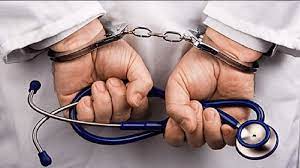
The NIA submitted its findings to a special court in Ahmedabad, naming Dr. Syed Ahmed Mohiuddin, a Hyderabad-based physician and MBBS graduate from China, as a central figure. Alongside him are Azad Suleman Sheikh and Mohammad Suhel, both from Uttar Pradesh.
According to investigative reports, Dr. Mohiuddin was apprehended at a Gujarat toll plaza in possession of illegal firearms and four liters of castor oil—a primary precursor for ricin extraction. Subsequent searches of his residence revealed what authorities described as a “kitchen lab” dedicated to the isolation of the toxin.
Evidence suggests the trio acted as a highly organized cell. Azad and Suhel allegedly managed logistics, including the retrieval of funds and weapons from “dead drops” in Rajasthan, while coordinating with ISIS-Khorasan Province (ISKP) handlers in Afghanistan and Pakistan. The NIA alleges the group intended to appoint Mohiuddin as the “Amir” for ISIS in South Asia, leveraging his medical background to oversee the technical aspects of the biological plot.
Understanding the Agent: What is Ricin?
Ricin is a highly toxic protein derived from the castor bean plant (Ricinus communis). While the plant itself is ubiquitous and used globally in the production of lubricants and soaps, the processed toxin is one of the deadliest substances known to science.
How Ricin Works
At a cellular level, ricin acts as a Ribosome-Inactivating Protein (RIP). It enters the cells of the body and prevents them from assembling amino acids into proteins. Without the ability to produce essential proteins, cells undergo apoptosis (cell death).
-
Lethality: According to the Centers for Disease Control and Prevention (CDC), ricin is classified as a Category B bioterror agent. It is exceptionally potent; a dose as small as a few grains of salt (5–10 micrograms per kilogram of body weight) can be fatal if inhaled or injected.
-
Transmission: Unlike viruses such as COVID-19 or bacteria like anthrax, ricin is not contagious. It cannot be spread from person to person. Poisoning occurs only through direct exposure via ingestion, inhalation, or injection.
Clinical Manifestations
Symptoms typically appear within 4 to 24 hours of exposure, depending on the route:
-
Inhalation: Respiratory distress, fever, cough, and pulmonary edema (fluid buildup in the lungs).
-
Ingestion: Severe gastrointestinal symptoms, including vomiting and bloody diarrhea, leading to profound dehydration and multi-organ failure.
-
Injection: Immediate localized tissue death and rapid systemic collapse.
Currently, no antidote exists for ricin poisoning. Treatment is strictly supportive, focusing on respiratory assistance, intravenous fluids, and seizure management.
A Shift in Global Terror Tactics
The foiled plot represents a strategic pivot for ISIS. By moving away from high-profile explosives—which are increasingly difficult to procure due to stringent monitoring—the group is turning toward “low-signature” biological agents.
“This is a classic example of ‘medical radicalization,'” says a security analyst specializing in chemical, biological, radiological, and nuclear (CBRN) threats. “Using a trained doctor allows the cell to bypass the steep learning curve usually associated with bio-agents. It turns a kitchen into a munitions factory.”
Historically, ricin has been used in targeted assassinations, most famously the 1978 “umbrella murder” of Bulgarian dissident Georgi Markov in London. However, the NIA chargesheet suggests a more ambitious goal: mass dissemination in crowded public spaces, including markets in Delhi, Ahmedabad, and Lucknow, and the potential contamination of food and water supplies.
Expert Perspectives on Public Health Preparedness
Medical experts emphasize that while the immediate threat was neutralized, the incident serves as a critical stress test for India’s public health infrastructure.
Dr. Vinod Scaria, a computational biologist at the Centre for Cancer Research, noted that ricin’s stability makes it a formidable challenge. “The early intervention by the ATS and NIA prevented a potential catastrophe. However, this is a wake-up call. We need enhanced surveillance of dual-use chemicals and castor derivatives without stifling legitimate industry.”
Dr. Soumya Swaminathan, former Chief Scientist at the World Health Organization (WHO), highlighted the importance of clinical awareness. “Because ricin poisoning can mimic severe pneumonia or acute gastroenteritis, rapid diagnostics are essential. Public health protocols must be updated so that frontline clinicians can recognize clustered symptoms that might indicate a deliberate release.”
Implications for the Public
For the general population, the threat of ricin remains statistically low, but the NIA’s findings underscore the need for heightened institutional vigilance. The case has prompted calls for:
-
Stricter Lab Regulations: Monitoring the sale of laboratory-grade equipment and chemical precursors.
-
Water and Food Safety: Strengthening the security of urban supply chains against contamination.
-
Community Vigilance: Recognizing that “kitchen-made” toxins require a level of secrecy that can be identified by law enforcement through financial and digital footprints.
Limitations of the Case
While the evidence presented by the NIA—including encrypted communications and seized materials—is substantial, the legal proceedings are in their infancy. The accused are entitled to a defense, and defense counsel may argue the distinction between the possession of castor oil and the successful refinement of a weaponized toxin. Critics have also noted that while the intent was present, the actual “weaponization” (the process of turning the toxin into an aerosolized powder) is technically difficult and was not yet completed.
Conclusion: A New Era of Vigilance
The disruption of the Hyderabad-Gujarat module marks a significant victory for Indian counter-terrorism, yet it opens a complex chapter in national security. As biological threats become more accessible through the “democratization” of scientific knowledge, the line between a medical laboratory and a combat zone continues to blur.
For now, the focus remains on the court proceedings in Ahmedabad, which will likely set a legal precedent for how India prosecutes biological conspiracies in the age of global digital radicalization.
Medical Disclaimer: This article is for informational purposes only and should not be considered medical advice. Always consult with qualified healthcare professionals before making any health-related decisions or changes to your treatment plan. The information presented here is based on current research and expert opinions, which may evolve as new evidence emerges.
References
-
The Print: “NIA chargesheets doctor, 2 others in ISIS-linked bioterror plot,” May 5, 2026.
-
Deccan Herald: “Investigation into Dr. Syed Ahmed Mohiuddin and the Hyderabad Connection,” May 5, 2026.