 0
0
 0
0
GENEVA — On the margins of the 79th World Health Assembly, the World Health Organization (WHO) took a decisive step toward tackling one of the world’s most pervasive yet neglected environmental health crises. On May 18, 2026, the WHO introduced its forthcoming PREVENT Technical Package on Lead Poisoning Prevention, signaling a major global push to eliminate lead exposure, which scientists now link to millions of deaths annually. Co-sponsored by Bloomberg Philanthropies and the global health nonprofit Resolve to Save Lives, the unveiling of the framework’s overview module opened a formal period for member states to collaborate on a unified global strategy ahead of its full implementation roll-out.
The numbers framing the announcement are staggering. According to recent epidemiological data, lead exposure is responsible for an estimated 3.5 million cardiovascular deaths each year and permanently impacts approximately 815 million children worldwide—nearly one in three globally.
“Lead is a silent, irreversible toxin that has flown under the public health radar for too long,” said Dr. Maria Neira, an independent environmental health expert and former WHO Director of Public Health, Environmental and Social Determinants of Health, who was not involved in drafting the new framework. “While the world successfully phased out leaded gasoline, we left the job half-done. This new technical package provides governments with an explicit, evidence-based playbook to finish the work.”
The Scale of an Invisible Epidemic
For decades, lead poisoning was viewed largely as a historical problem or an issue confined to industrial zones. However, modern toxicology has revealed that there is no safe level of lead exposure. Even minute amounts of the heavy metal can cause irreversible damage to the central nervous system, particularly in developing fetuses and young children.
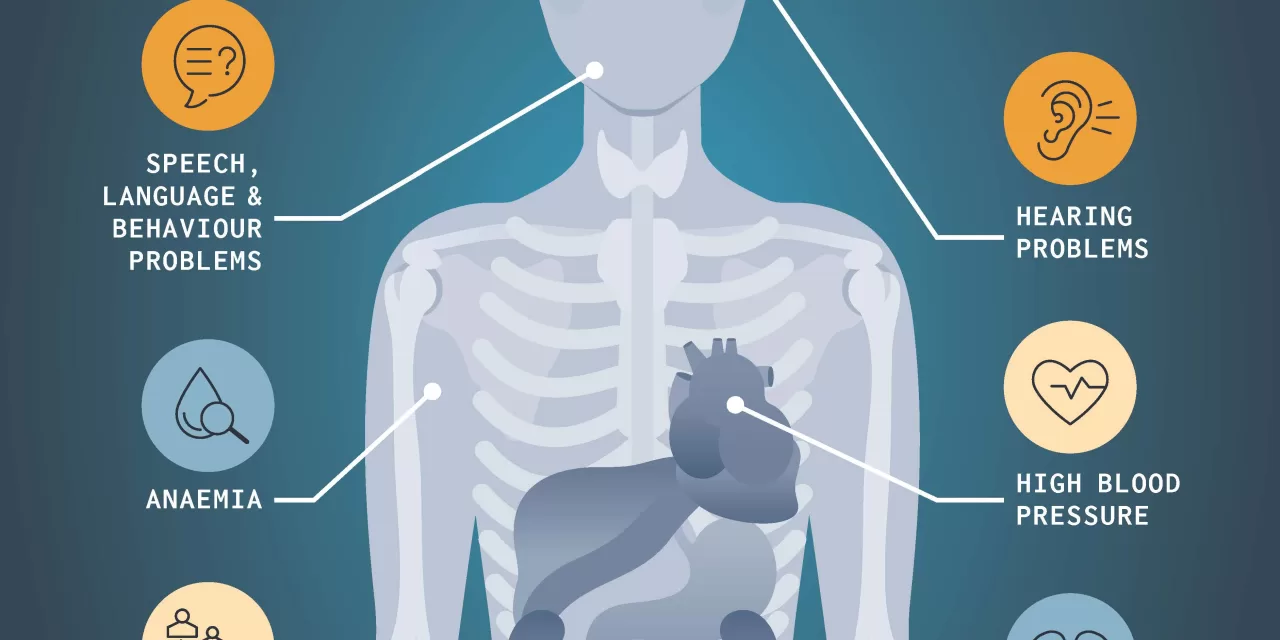
When ingested or inhaled, lead mimics calcium in the body, embedding itself into bones and disrupting essential cellular processes. In children, this leads to lowered cognitive functioning, reduced educational attainment, and behavioral disorders. In adults, chronic low-level exposure triggers severe vascular inflammation and arterial stiffening, driving up rates of hypertension, ischemic heart disease, and stroke.
While lead paint and contaminated industrial sites remain major hazards, current research shows that lead frequently hitches a ride into modern homes through everyday consumer products. Spices adulterated with lead chromate (used to enhance color weight), poorly glazed ceramic cookware, traditional cosmetics, and low-cost plastic toys represent ongoing, active routes of toxicity.
Disproportionate Impact on Vulnerable Nations
The burden of lead toxicity is profoundly unequal. Approximately 90% of deaths linked to lead poisoning occur in low- and middle-income countries (LMICs). In these regions, informal lead-acid battery recycling, unregulated mining, and a lack of enforcement on consumer goods exacerbate the crisis.
The economic fallout is equally severe, compounding systemic poverty. The loss of cognitive potential in children translates directly into diminished lifetime earnings, costing LMICs an estimated $1 trillion annually in lost economic productivity.
During the Geneva event, health ministers and senior officials from Brazil, Georgia, and Ghana shared their respective blueprints for moving from basic risk recognition to active legislative defense. Representatives emphasized that successful mitigation requires an intersectional approach, pulling in ministries of finance, trade, and environment alongside healthcare agencies.
Mapping the PREVENT Framework
The overview module introduced this week serves as a discussion paper to guide nations as the WHO finalizes the complete technical package and a draft Global Action Plan on Lead Mitigation for formal launch in 2027.
The PREVENT package is structured around six core operational pillars designed to span both industrial regulations and consumer safety:
| Pillar | Strategic Objective |
| Prioritize & Measure | Identify localized sources of lead and measure population blood lead levels (BLL). |
| Respond & Address | Provide clinical interventions for elevated blood lead and eliminate ongoing exposures. |
| Engage Partners | Mobilize the private sector, civil society, and the public to sustain mitigation momentum. |
| Verify Regulations | Audit national regulatory frameworks against international best-practice health standards. |
| Enforce Compliance | Strengthen inspection regimes and legal penalties to ensure industrial and market compliance. |
| Navigate Progress | Systematically track, evaluate, and report on exposure reduction impacts. |
“The time to act on lead poisoning prevention is now,” noted Dr. Tom Frieden, President and CEO of Resolve to Save Lives and former Director of the U.S. Centers for Disease Control and Prevention (CDC), during the event. He urged nations to utilize the technical package to move swiftly from high-level political commitment to concrete, enforceable action.
Challenges, Limitations, and the Road Ahead
Despite the optimism surrounding the PREVENT package, public health experts point out substantial hurdles to global implementation.
First and foremost is the lack of diagnostic infrastructure. Measuring blood lead levels requires specialized equipment, such as anodic stripping voltammetry or inductively coupled plasma mass spectrometry. In many rural LMIC clinics, these diagnostic tools are non-existent, meaning millions of poisoned children and adults remain completely undiagnosed.
Furthermore, enforcing regulations on informal industries—such as backyard battery recycling or artisanal spice milling—presents a massive logistical challenge for underfunded regulatory bodies.
Some industry groups have also historically pushed back against rapid bans on lead compounds where cost-effective alternatives are scarce. Public health advocates argue that without significant financial and technical assistance from wealthy nations and philanthropic organizations, the guidelines within the PREVENT package may remain difficult to implement for the countries that need them most.
What This Means for Consumers
While global leaders debate policy in Geneva, medical professionals emphasize that awareness is a powerful tool for individual prevention. Healthcare providers recommend that families take proactive steps to minimize exposure risks:
-
Source Awareness: Be cautious of imported, unbranded spices, traditional cosmetics (such as kohl or surma), and highly painted artisanal pottery from regions without strict quality controls.
-
Nutrition Matters: Diets rich in iron, calcium, and vitamin C can help decrease the gastrointestinal absorption of lead, particularly in young children.
-
Home Testing: If living in a home built before 1978, consider utilizing certified lead-testing kits for paint and have your tap water tested if lead service lines are suspected.
The WHO has invited member states, regional technical partners, and civil society stakeholders to review the discussion paper over the coming months. In parallel, global health authorities are urging nations not to wait for the final 2027 rollout to begin identifying high-risk populations and mapping local sources of exposure.
References
-
World Health Organization. (2026, May 18). WHO introduces PREVENT technical package to address lead poisoning. Departmental Update. Geneva, Switzerland.
-
Conference Proceedings: “Evidence to action: Preventing lead poisoning to save lives.” High-level side event at the 79th World Health Assembly. Co-organized by Bloomberg Philanthropies, Resolve to Save Lives, and WHO. Livestream archive: https://www.youtube.com/live/a8xcHeY-afU
Medical Disclaimer: This article is for informational purposes only and should not be considered medical advice. Always consult with qualified healthcare professionals before making any health-related decisions or changes to your treatment plan. The information presented here is based on current research and expert opinions, which may evolve as new evidence emerges.