 0
0
 0
0
Dateline: April 23, 2025
Many are familiar with the fact that the virus responsible for chickenpox can re-emerge years later, causing the painful condition known as shingles. While typically a one-time event resolved within three to five weeks with treatment, experts warn that shingles can, in fact, strike more than once.
According to infectious disease expert Dr. Kruti Yagnik, the possibility of experiencing shingles a second or even third time hinges primarily on the strength of an individual’s immune system. “Most people only get shingles one time,” Dr. Yagnik states, but estimates suggest that anywhere from 1.2% to 9.6% of people may face recurrent episodes.
The culprit is the varicella-zoster virus, the same one that causes chickenpox. After the initial chickenpox infection, the virus doesn’t leave the body; instead, it lies dormant within nerve tissues. “It’s not that it’s not treatable,” explains Dr. Yagnik. “It’s that, over time, it’s going to reactivate again because your immune system can’t keep it in check.” A weakened immune system provides the opportunity for this dormant virus to reactivate, leading to a shingles outbreak.
Symptoms and Complications
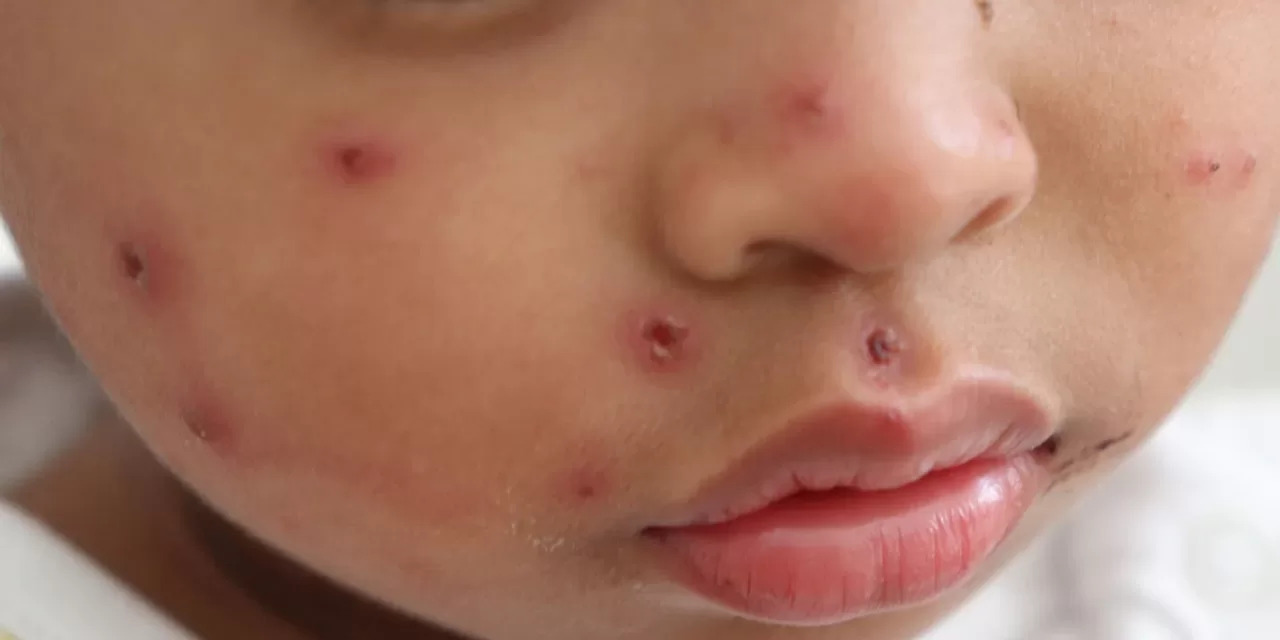
The onset of shingles often involves pain, burning, or tingling sensations in the affected area, typically confined to one side of the body. This is usually followed by the appearance of fluid-filled blisters that eventually break open and crust over. Other accompanying symptoms can include:
- Extreme sensitivity to touch
- A red, itchy rash
- Fever
- Fatigue
- Headache
- Sensitivity to light
While many report that subsequent outbreaks are less severe than the first, Dr. Yagnik notes, “every person is different and it depends on your immune system, the medications you’re taking and how healthy you are.” A significant potential complication, especially with recurrent episodes, is postherpetic neuralgia – chronic nerve pain resulting from nerve irritation caused by the virus. It’s also crucial to remember that an individual is contagious until the shingles rash has completely dried and crusted over.
Who is at Risk for Recurrence?
A weakened immune system is the primary trigger for recurrent shingles. While immune function naturally declines with age, several other factors can compromise the body’s defenses, increasing the risk:
- Medical conditions like Diabetes, Cancer, or HIV
- High levels of stress
- Use of medications such as steroids, chemotherapy drugs, or immunosuppressants (often used after organ transplants)
“Anything that weakens your immune system can cause it to resurface,” reiterates Dr. Yagnik.
Treatment and Prevention
Treatment for recurrent shingles mirrors that of a first-time episode, typically involving antiviral medications like acyclovir or valacyclovir to help the outbreak subside within three to five weeks. Pain and discomfort can be managed with:
- Over-the-counter pain relievers
- Topical creams containing lidocaine or capsaicin
During treatment, keeping the affected area clean and bandaged is vital to prevent secondary bacterial infections and limit viral spread. Avoiding pools and natural bodies of water (lakes, rivers, oceans) is also recommended to prevent irritation or further infection.
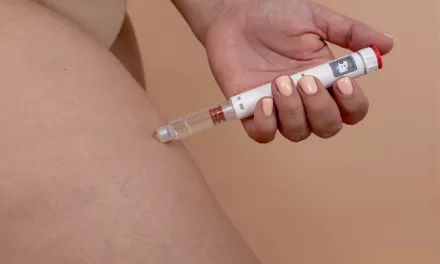
While preventing an initial outbreak entirely isn’t always possible after having had chickenpox, the shingles vaccine (Shingrix) is highly recommended to reduce the likelihood of both initial and recurrent episodes, even for those with weakened immune systems. Beyond vaccination, maintaining a robust immune system through healthy nutrition, regular exercise, adequate sleep, and generally boosting the body’s natural defenses can help keep the virus dormant.
Disclaimer: This article is intended for informational purposes only and does not constitute medical advice. The information1 provided should not be used for diagnosing or treating a health problem or disease. If you have or suspect you may have a health problem,2 consult your healthcare provider.