 0
0
 0
0
BENGALURU — A stark demographic shift is reshaping the face of HIV in Karnataka. Long-term declines in transmission have suddenly reversed, fueled by a sharp spike in infections among young adults aged 18 to 35. According to newly released data from the Karnataka State AIDS Prevention Society (KSAPS), active HIV infections in the state climbed from 44,581 in the 2023–24 fiscal year to 66,606 in 2025–26. Public health officials have identified male-to-male sexual (MMS) contact as the primary statistical driver of these new infections, a trend accelerated by the widespread adoption of online geolocation dating apps and historical barriers to targeted healthcare.
The Youth Epidemic: A Stark Demography Shift
The latest epidemiological data reveals that the virus is increasingly concentrated among young people navigating their reproductive and social lives.
-
Ages 18–25: Active cases nearly doubled, rising from 3,732 in 2023–24 to 6,962 in 2024–25, before stabilizing slightly at 6,283 in 2025–26.
-
Ages 26–35: This bracket experienced an uninterrupted 55% surge, jumping from 9,351 cases in 2023–24 to 14,555 in 2025–26.
HIV remains the most frequently reported sexually transmitted infection (STI) in the state, with 417 new cases registered in the current year alone.
KSAPS Project Director Padma Basavanthappa noted that the confluence of digital networking tools and enhanced peer counseling has brought a historically hidden demographic into the data stream. Increased access to online dating platforms has significantly expanded sexual networks, while parallel testing initiatives have improved detection rates among men who have sex with men (MSM).
Analyzing the MMS Transmission Driver
The statistical trajectory within the MSM community underscores a concentrated public health challenge. Between April and October 2025, KSAPS reported that 243 out of 56,416 MSM tested returned HIV-positive results—representing a localized positivity rate of 4.3%.
This cohort has shown a steady upward trend over the last several years:
| Fiscal Year | Confirmed Positive MSM Cases |
| 2020–21 | 71 |
| 2022–23 | 146 |
| 2023–24 | 211 |
| 2024–25 | 312 |
Over a cumulative six-year tracking window, the MSM category recorded the highest absolute number of positive cases at 1,092. This surpasses the 889 cases recorded among female sex workers (FSW) and 330 among migrant populations. This dataset marks a complete inversion of India’s early historical transmission patterns, where female sex work and heterosexual migrant networks statistically dominated transmission charts.
Improved Screening vs. Real-World Risk
Public health experts emphasize that the numbers represent a complex mix of better diagnostic outreach and genuine behavioral risk factors.
“The MSM community has faced deep-seated social stigma, which historically restricted their access to basic prevention services and safe testing environments,” explains Dr. Ishwar Gilada, President Emeritus of the AIDS Society of India and Secretary General of the People’s Health Organisation-India. “With modern, non-judgmental counseling and expanded testing footprints, we are diagnosing individuals who previously lived without knowing their status.”
However, Dr. Gilada cautions that expanded screening does not account for the entire surge.
“The rise is also driven by structural and behavioral challenges,” Dr. Gilada noted. “Inconsistent barrier method usage, higher numbers of concurrent sexual partners, limited structural awareness regarding non-HIV sexually transmitted infections, and high-risk sexual networks are clear trends requiring immediate, culturally competent interventions.”
The regional intensification is particularly notable when compared against national benchmarks. Karnataka’s current overall HIV prevalence rate stands at 0.44%, more than double India’s national average of 0.2%. With approximately 291,000 people living with HIV (PLHIV), Karnataka ranks among the top three states with the highest absolute volume of infections nationwide, trailing only Maharashtra and Andhra Pradesh.
Reversing a Decade of Progress
The current spike represents a significant epidemiological pivot for Karnataka. For more than ten years, the state was recognized as a success story in structural HIV mitigation. The test positive rate (TPR) at Integrated Counselling and Testing Centres (ICTC) had fallen from 1.77% in 2013–14 to 0.33% in 2024–25. Similarly, vertical transmission metrics—measured via antenatal care attendees—declined from a prevalence of 1.5% in 2004 to 0.57% in 2022–23.
While the broader, general population continues to exhibit stable or declining positivity rates, transmission is intensifying within specific, highly connected networks. This requires a shift from generalized public awareness campaigns toward precision public health interventions.
Structural Countermeasures: Red Ribbon Clubs
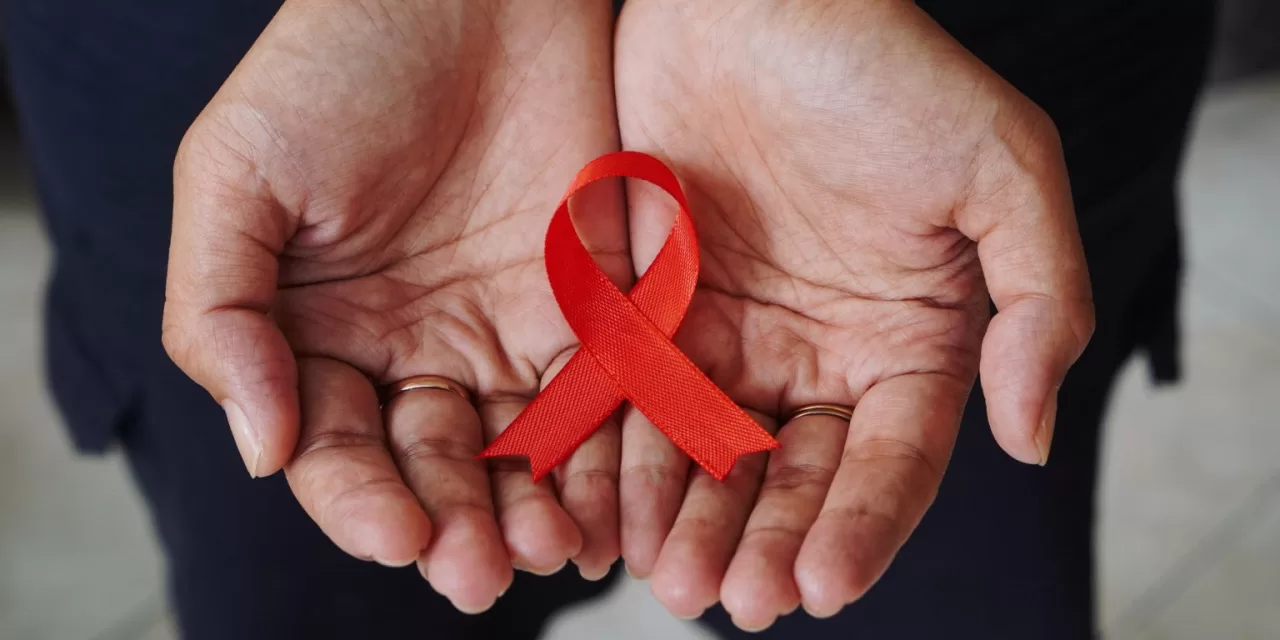
In response to the shifting data, state authorities are pivoting their outreach strategies toward youth-centric institutions and corporate environments. KSAPS is deploying 442 Red Ribbon Clubs (RRCs) across educational institutions statewide, with a dense concentration of over 40 clubs operational within the capital hub of Bengaluru.
Originally conceptualized as a nationwide youth peer-education framework, the Red Ribbon Clubs focus on a holistic health matrix:
-
Comprehensive reproductive and sexual health literacy (including STI/RTI management)
-
Scientific education regarding HIV/AIDS transmission and prevention paths
-
The reduction of stigma surrounding same-sex intimacy and sexual orientation
-
The systemic promotion of voluntary, non-remunerated blood donation
-
Life skills development and substance abuse prevention
Health department officials have confirmed that peer-led awareness drives are expanding into college hostels and private corporate offices to reach the core 18–35 demographic. “We are actively updating our language and modules to address safe sex practices specifically within the context of same-sex intimacy,” stated a senior KSAPS official.
These localized initiatives tie into a larger national timeline. Under the central government’s Mission AIDS Suraksha, India has set a target for structural HIV control by World AIDS Day on December 1, 2027. To optimize resource allocation, health authorities have designated 27 districts within Karnataka as high-priority zones requiring intense epidemiological focus.
National Discrepancies and Institutional Headwinds
The localized surge in Karnataka stands in contrast to broader national achievements under the fifth phase of the National AIDS and STD Control Programme (NACP-V). On a national scale, India has reduced overall HIV prevalence from 0.33% in 2010 to 0.20% in 2024. New annual infections dropped 49% across the country, falling from 125,000 to approximately 64,500, while total Antiretroviral Therapy (ART) enrollment expanded significantly to cover 1.86 million individuals.
However, independent public health analysts warn that Karnataka’s distinct 0.44% prevalence rate demonstrates that regional sub-epidemics can diverge sharply from national downward trends. Furthermore, structural challenges have complicated local implementation. Global health funding contractions observed across 2025 have strained municipal clinic budgets, leading to selective facility closures and human resource shortages.
Experts emphasize that diagnostic screening data must be viewed carefully. The absolute volume of MSM individuals accessing screening centers grew from 42,066 in 2020–21 to 72,251 in 2024–25. While this expanded testing explains a portion of the statistical increase, clinicians stress that testing alone is an incomplete tool. Without sustained funding for community-led outreach, pre-exposure prophylaxis (PrEP) access, and structural protection for marginalized communities, diagnostic data merely records an expanding epidemic rather than halting it.
Actionable Public Health Recommendations
For the general public and active sexual health consumers, the shifting trends underscore several clear medical practices:
-
Routine Diagnostic Screening: Sexually active young adults, particularly those utilizing geolocation dating apps or managing multiple concurrent partnerships, should integrate routine HIV and STI screening into their standard healthcare regimens.
-
Consistent Barrier Methods: The consistent use of high-quality condoms remains a highly effective mechanism for preventing the horizontal transmission of HIV and concurrent fluid-borne STIs.
-
Proactive STI Management: Seeking immediate clinical evaluation for unexpected reproductive tract symptoms or lesions significantly lowers the biological risk of acquiring or transmitting HIV.
-
Destigmatization Safetynets: Eliminating social stigma around sexual orientation and HIV status encourages early diagnosis, open partner communication, and immediate retention in medical care.
As of March 2025, Karnataka had registered a cumulative historical total of 402,743 individuals at state ART centers, with 193,347 individuals currently alive and maintained on life-saving antiretroviral regimens. Public health experts warn that achieving Sustainable Development Goal (SDG) 3.3—the termination of the AIDS epidemic by 2030—will require accelerating tailored, community-led interventions designed for the realities of modern, digitally-mediated social networks.
Medical Disclaimer
Medical Disclaimer: This article is for informational purposes only and should not be considered medical advice. Always consult with qualified healthcare professionals before making any health-related decisions or changes to your treatment plan. The information presented here is based on current research and expert opinions, which may evolve as new evidence emerges.
References
- https://www.india.com/news/india/karnataka-hiv-aids-mms-ksaps-infection-red-ribbon-clubs-shivakumar-medical-aiims-8439974/