 0
0
 0
0
Read Time:6 Minute, 26 Second
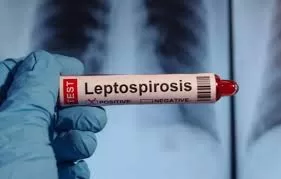
HYDERABAD — As monsoon rains saturate urban and rural landscapes across southern India, public health officials are facing a rapid escalation in waterborne infections. Data presented in the Rajya Sabha reveals that Telangana recorded 249 confirmed cases of leptospirosis in 2025—a striking rise from just two reported cases in 2023. With 101 cases already documented by June 2026, medical experts warn that persistent urban flooding, stagnant water, and increased exposure to rodents could fuel continued transmission throughout the current monsoon season.
While this shift marks the steepest proportional surge recorded in regional surveillance data, public health experts emphasize that Telangana’s total numbers remain significantly lower than neighboring states. In 2025, Kerala led the nation with 4,001 reported cases, followed by Tamil Nadu (2,862), Karnataka (2,302), and Maharashtra (2,184). Nevertheless, the sharp upward trajectory in Telangana highlights an emerging public health priority for a region experiencing intensifying seasonal rainfall and rapid urbanization.
Environmental Drivers and Transmission Pathways
Leptospirosis is a zoonotic bacterial infection caused by spirochetes of the genus Leptospira. The bacteria colonize the tubular epithelium of the kidneys in host animals—predominantly rodents, though cattle, pigs, dogs, and wildlife also serve as reservoirs—and are excreted in high concentrations through urine.
The primary mode of human infection occurs when abraded skin, open cuts, or mucous membranes (such as the conjunctiva) come into contact with water, mud, or wet soil contaminated with infected animal urine. Direct person-to-person transmission is exceptionally rare. In warm, humid environments, Leptospira bacteria can survive for weeks or even months, turning poorly drained streets and stagnant floodwaters into active exposure sites.
According to India’s National Centre for Disease Control (NCDC), transmission risk peaks during heavy rainfall events characterized by poor drainage, urban waterlogging, and dense rodent populations. Consequently, occupational hazards are highest for:
-
Agricultural and paddy field workers
-
Sanitation and sewage maintenance staff
-
Livestock handlers and slaughterhouse workers
-
Emergency relief personnel and residents navigating urban floodwaters
“Heavy rains and flooding increase the risk of contamination, making human exposure more common,” noted Dr. B. Prasad, an infection specialist at Nizam’s Institute of Medical Sciences (NIMS), Hyderabad. Dr. Prasad identified growing rodent populations, urban sanitation bottlenecks, and compromised personal hygiene during flood events as primary drivers behind the escalating infection rates.
However, epidemiologists caution that surveillance totals reflect two distinct phenomena: a potential true rise in biological transmission and a significant improvement in clinical awareness and laboratory testing infrastructure across state health facilities.
Diagnostic Impasse: The “Dengue Mimic”
One of the greatest clinical hurdles in managing leptospirosis is its presentation. Early symptoms mirror common tropical infections, including dengue fever, malaria, influenza, and typhoid.
Common initial manifestations include:
-
Sudden onset of high fever and severe chills
-
Intense myalgia (muscle pain), characteristically concentrated in the calves and lower back
-
Severe headache, fatigue, and retro-orbital pain
-
Conjunctival suffusion (redness of the eyes without purulent discharge)
-
Gastrointestinal distress, including nausea, vomiting, and abdominal pain
In a comprehensive systematic review of 55 Indian studies encompassing 11,303 patients published in Infez Med, researchers documented fever in 97% of patients, severe myalgia in 51%, and conjunctival suffusion in 35%. Additionally, hepatic (liver) and renal (kidney) involvement were recorded in 34% and 35% of cases, respectively, with a pooled hospital-based mortality rate of 11%.
Primary Clinical Symptoms Recorded in Indian Leptospirosis Studies
------------------------------------------------------------------
Fever                       [===================================] 97%
Myalgia (Muscle Pain)       [==================] 51%
Renal Dysfunction           [=============] 35%
Conjunctival Suffusion      [=============] 35%
Hepatic Involvement         [============] 34%
“Leptospirosis must be considered in differential diagnoses during the monsoon, particularly when a patient presents with a documented history of floodwater exposure,” explained Dr. Madap Karuna, an infectious disease specialist.
Dr. Pratik Patil, a consultant in infectious diseases at KIMS Hospitals, added that the triad of high fever, severe muscle pain, and prominent eye redness following exposure to stagnant water serves as a key clinical indicator that warrants immediate medical evaluation.
Progression to Multiorgan Dysfunction
While the majority of leptospirosis cases present as mild, self-limiting febrile illnesses, approximately 5% to 10% of infected individuals progress to a severe, life-threatening form known historically as Weil’s disease.
Severe leptospirosis is characterized by rapid dysfunction across multiple organ systems. Manifestations include:
-
Acute Kidney Injury (AKI): Marked by oliguria (reduced urine output) or anuria, requiring emergency hemodialysis.
-
Hepatic Dysfunction: Manifesting as deep jaundice and elevated liver enzymes.
-
Pulmonary Hemorrhage: Severe respiratory failure accompanied by hemoptysis (coughing up blood), which carries a high mortality risk.
-
Cardiovascular & Neurological Collapse: Including myocarditis, severe hypotension, and aseptic meningitis.
Illustrating these diagnostic challenges, clinicians at Yashoda Hospitals recently managed the case of a 27-year-old male who presented with high fever, body aches, and rapidly deteriorating kidney function. Initial empirical treatment targeted dengue and non-specific viral fever. However, detailed history-taking revealed recent contact with deep floodwaters. Subsequent serological testing confirmed leptospirosis.
“Targeted antibiotic therapy and aggressive supportive care led to full clinical recovery without the need for renal dialysis,” reported Dr. K. Seshi Kiran of Yashoda Hospitals, highlighting the vital importance of early clinical suspicion.
Guidelines from the U.S. Centers for Disease Control and Prevention (CDC) advise clinicians not to delay antibiotic administration while awaiting laboratory confirmation when clinical suspicion and exposure history are strong. Early initiation of appropriate antimicrobial therapy significantly reduces the risk of disease progression.
Prevention and Personal Protection Strategies
Public health authorities urge individuals living in flood-prone areas to adopt strict preventive measures:
Personal Safety Practices
-
Avoid Direct Contact: Refrain from wading, swimming, or washing in floodwaters or unmonitored freshwater bodies.
-
Wear Protective Equipment: If wading through water or cleaning drainage areas is unavoidable, wear tall rubber boots, thick gloves, and protective clothing.
-
Cover Open Wounds: Clean and seal all cuts, scratches, or open skin abrasions with waterproof bandages before potential exposure.
-
Sanitize After Exposure: Wash exposed skin thoroughly with antibacterial soap and clean, running water immediately after contact with floodwater.
Food and Environmental Hygiene
-
Water Safety: Consume only boiled, purified, or bottled water during monsoon flooding events.
-
Rodent Control: Keep household food supplies tightly sealed in rodent-proof containers; dispose of garbage promptly to eliminate rodent nesting sites.
-
Avoid Contaminated Food: Inspect food for potential exposure to pests and discard any food items that may have come into contact with animal urine.
Medical experts strongly advise against self-prescribing prophylactic antibiotics. The CDC notes that routine post-exposure antibiotic prophylaxis is not broadly recommended for the general public due to limited evidence of efficacy and the risk of fostering antimicrobial resistance. Prophylactic regimens are restricted to high-risk occupational exposures under strict medical supervision.
A Call for Integrated Public Health Measures
The sharp statistical rise in Telangana’s leptospirosis metrics serves as a critical warning for regional health systems rather than a prompt for public panic. Enhancing survival rates requires a multi-pronged response: primary care physicians must maintain high clinical awareness during the monsoon, diagnostic facilities need reliable testing kits, municipal authorities must clear blocked drainage systems, and pest control management must be scaled up.
Because leptospirosis shares symptoms with dengue and malaria, public awareness remains a cornerstone of early intervention. Anyone experiencing high fever, severe muscle pain, eye redness, or changes in urination following exposure to floodwaters should seek prompt evaluation from a qualified healthcare professional.
References
Medical Disclaimer: This article is for informational purposes only and should not be considered medical advice. Always consult with qualified healthcare professionals before making any health-related decisions or changes to your treatment plan. The information presented here is based on current research and expert opinions, which may evolve as new evidence emerges.


Happy
0 %

Sad
0 %

Excited
0 %

Sleepy
0 %

Angry
0 %

Surprise
0 %