 0
0
 0
0
NEW DELHI — A massive nationwide assessment of more than 141,000 students has exposed a critical “fitness gap” in India’s youth, revealing that only 34% of schoolchildren possess adequate aerobic capacity. The findings, released in early 2026 as part of the Sportz Village 14th Annual Health Survey, indicate that while children are returning to playgrounds following pandemic-era lockdowns, their cardiovascular endurance and muscular strength remain alarmingly low. Covering 112 cities and 333 schools, the study serves as a wake-up call for policymakers and parents as the nation grapples with a burgeoning childhood obesity epidemic.
A Nation Out of Breath: Key Findings
The survey, powered by EduSports, utilized the standardized Khelo India Fitness Test protocols to evaluate students aged 7 to 18 across seven core parameters: BMI, aerobic capacity, anaerobic capacity, upper body strength, lower body strength, core strength, and flexibility.
While the data showed a “rebound” in general activity levels compared to the height of the COVID-19 pandemic, the depth of physical conditioning is lacking:
-
The Endurance Deficit: Aerobic capacity—the ability of the heart and lungs to provide oxygen to muscles during sustained activity—was the weakest metric. Only 34% of children met the healthy threshold.
-
Strength Struggles: Both upper and lower body strength scores lagged consistently across all age groups and regions.
-
The Bright Spots: Flexibility remains a relative strength for Indian youth, with 70% meeting benchmarks, followed by core strength at 87%.
The Public vs. Private Divide
In a surprising trend, students in government-run (public) schools outperformed their private school peers in five out of seven metrics. Notably, 40% of public school students met aerobic capacity standards, compared to just 33% in private institutions. Experts suggest this disparity is likely due to “unstructured play” and more active daily commutes—such as walking or cycling to school—common among public school students.
Expert Insights: Why Is Fitness Declining?
Medical professionals warn that the lack of “huff and puff” activity is a precursor to long-term metabolic issues.
Dr. Sanjay Borude, a prominent bariatric surgeon, points to a dual crisis of nutrition and weight. “The main reason children are underperforming in aerobic abilities is rising obesity, which is becoming more common every day,” Dr. Borude noted. He further emphasized that inadequate protein intake, particularly in traditional vegetarian diets, is hampering the development of lean muscle mass in growing children.
Environmental factors are also playing a restrictive role. Dr. Aashish Contractor, Director of Rehabilitation and Sports Medicine at Sir H.N. Reliance Foundation Hospital, highlights the “concrete jungle” effect.
“One of the biggest barriers today is the lack of open spaces and access to sporting facilities,” says Dr. Contractor. “Physical exercise cannot be treated as an afterthought—it must be integral to a child’s daily routine.”
The “Ticking Time Bomb” of Childhood Obesity
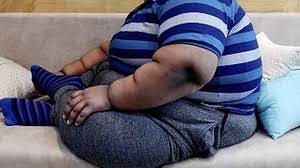
The Sportz Village findings arrive on the heels of the World Obesity Atlas 2026, which ranks India second globally in childhood obesity. According to the report, 41 million school-age children in India are currently overweight or obese.
By 2040, projections suggest that 20 million Indian children will live with obesity, significantly increasing their risk for:
-
Type 2 Diabetes at an earlier age.
-
Hypertension (high blood pressure).
-
Non-alcoholic fatty liver disease.
-
Mental health challenges, including low self-esteem and social isolation.
Dr. Ranjani Harish, Senior Scientist at the Madras Diabetes Research Foundation, stresses that structured Physical Education (PE) is no longer a luxury but a clinical necessity. “Structured physical education is critical for improving cardiovascular health, enhancing insulin sensitivity, and strengthening bones,” she explained.
Post-Pandemic Resilience
There is a silver lining in the data. Overall health levels, which plummeted from 70.5% in 2020 to 56% in 2022, have recovered to approximately 85% as of 2025. This “rebound” is attributed to the full reopening of schools and a renewed focus on physical activity.
Crucially, the study found that children who attended more than 80 structured PE sessions per year showed significantly higher fitness levels across all parameters. This suggests that the “dose” of exercise matters: consistency in school-based sports programs can bridge the endurance gap within just two years of participation.
Practical Steps for Families and Schools
To combat these trends, health authorities recommend a shift in how daily routines are structured:
-
The 60-Minute Rule: The WHO recommends at least 60 minutes of moderate-to-vigorous physical activity daily. This should include activities that make the child breathe hard and sweat.
-
Nutrition First: Focus on balanced meals that prioritize protein and fiber while limiting “ultra-processed” snacks and sugary drinks.
-
Active Commuting: Where safe, encouraging children to walk or cycle even short distances can contribute to their daily aerobic “load.”
-
Systemic Change: Sport psychologist Keerthana Swaminathan advocates for embedding movement directly into the curriculum to improve not just physical health, but cognitive performance and focus in the classroom.
Limitations of the Study
While the Sportz Village survey is the largest of its kind in India, it does have limitations. Because the data is gathered via school-based assessments, it may not fully represent children in rural areas or those who are out of school, who may face even greater health disparities. Additionally, the “win” for public schools may be less about formal PE programs and more a reflection of socioeconomic factors that require higher levels of daily physical exertion.
Conclusion
The 2026 Health Survey makes it clear: being “active” is not the same as being “fit.” While Indian children are moving again, their hearts and muscles are not yet prepared for the long-term demands of a healthy life. Addressing this will require more than just playground access; it requires a national commitment to making fitness a core pillar of the Indian education system.
Medical Disclaimer: This article is for informational purposes only and should not be considered medical advice. Always consult with qualified healthcare professionals before making any health-related decisions or changes to your treatment plan. The information presented here is based on current research and expert opinions, which may evolve as new evidence emerges.
References
-
World Obesity Federation. (2026). World Obesity Atlas 2026. * Economic Times Health. (2026). “Only 1 in 3 schoolkids meets basic fitness levels, finds 112-city study.”