 0
0
 0
0
LUCKNOW, India — In the immediate aftermath of a high-impact traffic accident, the most dangerous threat to a patient’s life is often the one that cannot be seen. While visible wounds receive immediate pressure and bandaging, concealed internal hemorrhaging—particularly within the abdominal cavity—silently drops blood pressure, starves critical organs of oxygen, and leads to lethal shock.
To bridge this crucial diagnostic gap, clinical researchers and doctors at King George’s Medical University (KGMU) in Lucknow have engineered a novel, screen-free handheld device designed to spot internal abdominal bleeding in seconds. Intended for use by emergency medical technicians, district hospital staff, and first responders, the battery-powered probe aims to streamline triage decisions during the “golden hour”—the critical initial 60-minute window post-trauma when prompt medical intervention drastically increases survival rates.
The KGMU team has officially filed a patent for the technology, with final regulatory approvals currently pending.
Bridging the Pre-Hospital Diagnostic Gap
In modern emergency medicine, the standard initial bedside tool for identifying free fluid (such as blood) in the abdomen or chest is the Focused Assessment with Sonography for Trauma (FAST) protocol. Performed via portable ultrasound, FAST allows emergency physicians to detect internal poolings rapidly. However, traditional ultrasound machines are costly, delicate, and require specialized operator training—luxuries often unavailable in rural health centers or standard ambulances.
The KGMU innovation acts as a simplified, highly portable alternative to traditional ultrasonography.
“When treating major trauma, time is tissue, and time is life,” explains Dr. Rajesh Kumar, an independent emergency medicine specialist not affiliated with the KGMU project. “External bleeding is straightforward to identify and control. Concealed internal bleeding, however, is insidious. A low-cost, screen-free tool that allows pre-hospital providers to suspect internal fluid accumulation before a patient ever reaches a tertiary center could significantly shorten the path to definitive surgical care.”
| Key Features of the KGMU Device | Clinical Significance |
| Screen-Free Interface | Simplifies operation and drastically reduces manufacturing costs |
| Battery & Electricity Powered | Ensures functionality during transport and in remote, off-grid settings |
| Rapid Learning Curve | Designed for minimal training requirements among paramedics |
| Point-of-Care Application | Expedites early referral decisions during pre-hospital triage |
The Public Health Imperative: Triage in Resource-Limited Settings
The public health implications of a scalable, handheld trauma scanner are vast, particularly in regions with high volumes of road traffic injuries and variable access to advanced diagnostic imaging.
In low- and middle-income settings, smaller district healthcare units often lack 24/7 point-of-care ultrasound (POCUS) capabilities or CT scanners. Consequently, clinicians must make critical referral decisions based solely on physical exams—such as abdominal tenderness or dropping blood pressure—which can be notoriously unreliable in early-stage internal bleeding.
By placing a functional fluid-detection tool directly into the hands of ambulance crews, patient triage can be optimized before arrival at the hospital. An early alert from the field allows receiving trauma units to prepare operating rooms, arrange blood products, and alert surgical teams in advance, shaving off vital minutes.
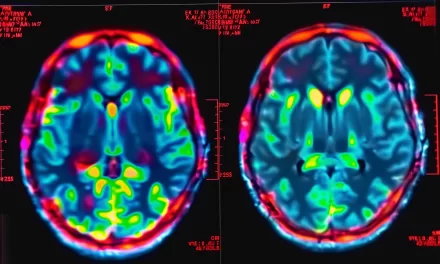
This approach mirrors successful innovations in other areas of acute care. For instance, near-infrared handheld scanners—such as those cleared by the U.S. Food and Drug Administration (FDA) for screening intracranial brain bleeds—have already demonstrated how field-ready diagnostic support saves lives by quickly identifying patients who require immediate head CT scans and neurosurgical consultation.
Clinical Limitations and the Need for Rigorous Validation
While the KGMU device represents a promising leap in emergency technology, medical experts urge measured optimism.
A primary constraint inherent to all rapid screening tools, including standard FAST protocols, is sensitivity. A negative scan does not definitively rule out internal injuries, particularly if the bleeding is minor, slow, or located deep within the retroperitoneal space.
[Trauma Incident] ──> [Pre-Hospital Screening (KGMU Tool)] ──> [Rapid Field Triage]
                                                                        │
                                                                        ▼
[ definitive Surgical Care / Whole-Body CT ] <── [Emergency Department Arrival]
Furthermore, the KGMU device’s current development phase presents specific clinical uncertainties that require further peer-reviewed evaluation:
-
Absence of Published Clinical Data: Peer-reviewed data establishing the device’s exact sensitivity, specificity, and overall diagnostic accuracy against standard ultrasound or whole-body CT imaging remains pending.
-
User Variation and Body Habitats: Independent testing is necessary to confirm how reliably the device performs across diverse patient demographics, varying body mass indexes (BMIs), and complex multi-trauma scenarios.
-
The Risk of False Reassurance: A false-negative result could lead first responders to misjudge the severity of a patient’s condition, potentially delaying necessary transport to a specialized trauma facility.
The European guidelines for managing major post-trauma bleeding emphasize that while point-of-care ultrasound is valuable for rapid initial assessment, whole-body CT scanning remains the gold standard for pinpointing the exact source and severity of vascular injury. A handheld screening tool serves as a triage aid, not a substitute for comprehensive diagnostic imaging or surgical intervention.
What This Means for Emergency Care
For patients and families, this innovation signals a positive trend toward bringing advanced diagnostic support directly to the scene of an emergency. However, public health experts emphasize that clinical vigilance must remain the priority.
Regardless of the availability of new technology, symptoms following physical trauma—including severe or worsening abdominal pain, dizziness, fainting, rapid heart rate, low blood pressure, or abdominal swelling—demand immediate emergency medical attention.
As the KGMU team progresses through regulatory review and validation studies, the medical community will be watching closely. If independent clinical trials confirm its performance, this handheld device could become a critical fixture in emergency response, helping first responders safeguard lives during the most vulnerable minutes after an injury.
References
-
ET HealthWorld. “KGMU Doctors Develop Handheld Device for Early Detection of Internal Bleeding.” Published August 3, 2026.
Medical Disclaimer: This article is for informational purposes only and should not be considered medical advice. Always consult with qualified healthcare professionals before making any health-related decisions or changes to your treatment plan. The information presented here is based on current research and expert opinions, which may evolve as new evidence emerges.